 Preview
 Send
Send Share
Share
 Details

 Download
 Similars
 X-Ray
X-Ray Diaporama
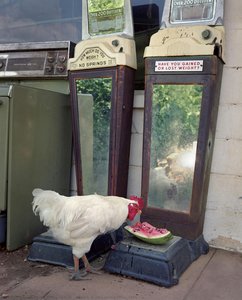
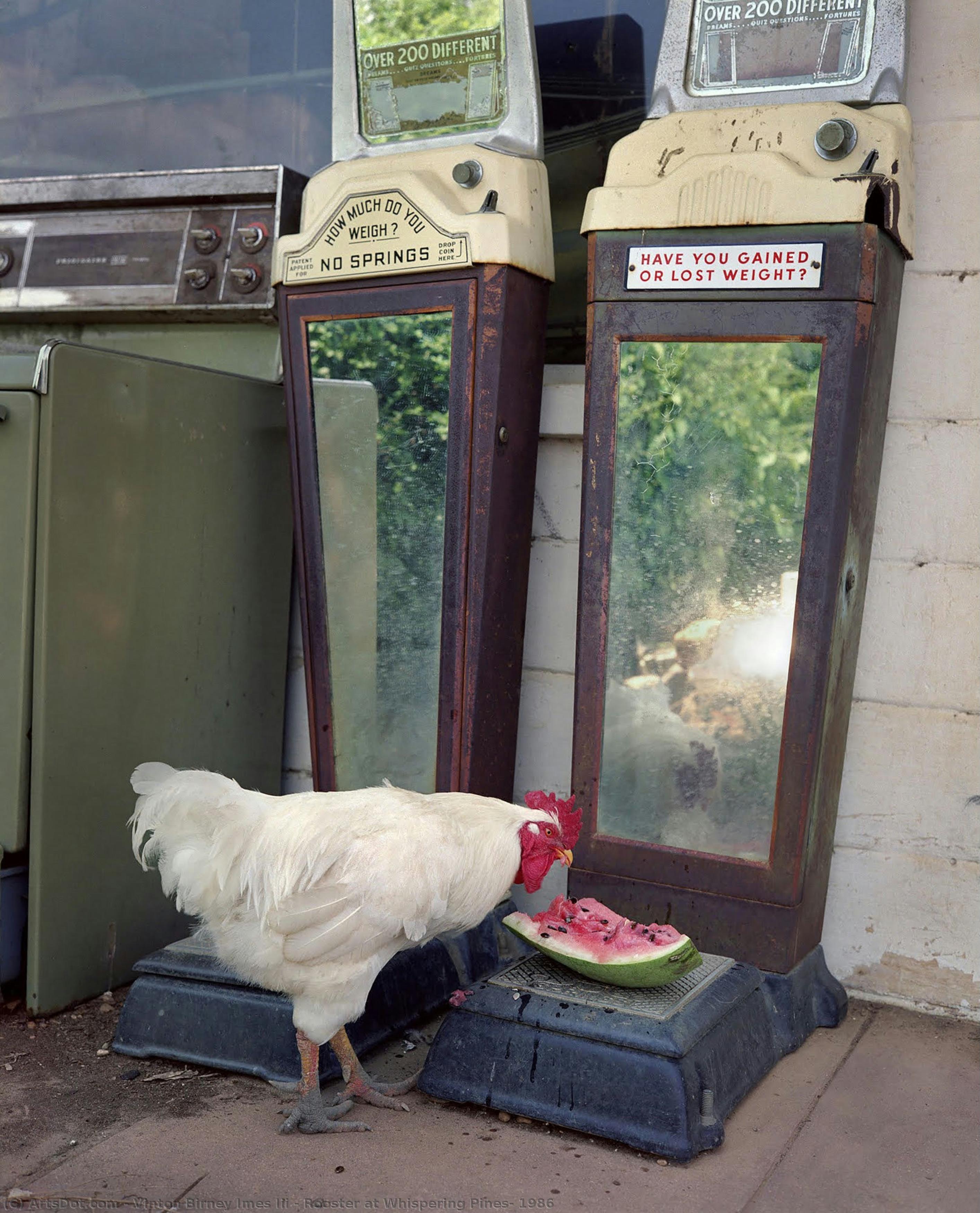
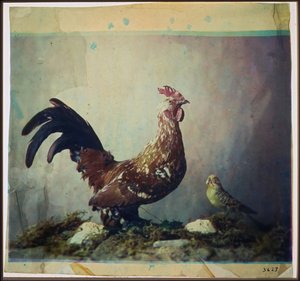
Rooster at Whispering Pines, 1986

 Read More
Giclée / Art Print
Museum-quality giclée or canvas print with fast production and flexible finish options. ( Buy Hand Made Painting Buy Image)




































Pick from our preset sizes that match the artwork's original proportions.

You may enter your own dimensions to fit a specific frame or space. If your selected size does not match the original image's proportions, we will either crop the artwork or extend the image with a mirrored or solid-fill edge. A digital mockup will be sent for your approval before production begins.
Please note that the on-screen preview does not reflect the actual cropping or extension. Only the mockup will accurately show the final composition.
While custom sizes are available, we recommend selecting a dimension from the predefined list to preserve the original proportions.
Worldwide Delivery () in 2 weeks instead of standard 4/5 weeks. (23 August)

Free Worldwide Express Shipping

High-Quality Linen Canvas

Full Shipping Insurance

Customs Tax Refund Guarantee

True Color Matching Guarantee

60-Day Return Policy (Defects Only)

100% Money-Back Guarantee

Bulk Discount Offer
 Glass option is only available in size under 110 CM

Rooster at Whispering Pines, 1986
Giclée / Art Print
Reproduction Size
-


Total Price
$ 63
Related Artworks







Artist Biography
The Soul of the Delta: The Photographic Vision of Vinton Birney Imes III
Born in the heart of Columbus, Mississippi, in 1951, Vinton Birney Imes III has dedicated his life to a singular, profound mission: capturing the ephemeral essence of the American South. His lens does not merely observe; it listens to the quiet rhythms of the Mississippi Delta, translating the textures of rural life into a visual language that is both intimate and monumental. As a chronicler of his homeland, Imes has developed a style that avoids the superficiality of the postcard view, opting instead for a deep, empathetic engagement with the landscapes and people that define this storied region.
Imes’s journey into the art of visual storytelling was shaped by a unique blend of historical curiosity and journalistic rigor. After earning a degree in history from the University of Tennessee at Knoxville in 1973, he brought a scholar's eye to his photographic practice. This academic foundation allowed him to approach his subjects not just as fleeting moments, but as part of a larger, unfolding historical narrative. His early professional years were spent assisting his family’s newspaper in Columbus, an experience that instilled in him the importance of truth and the power of the image to document the human condition. By establishing his own studio above the historic Princess Theater, he anchored his artistic identity within the very community he sought to immortalize.
A Tapestry of Influence and Technique
The aesthetic language of Imes is deeply resonant with the masters of American color photography and Southern literature. One can detect the pioneering spirit of William Eggleston in his ability to find extraordinary beauty within the ordinary, using color not as a decorative element, but as a vital component of the narrative itself. His work mirrors the way Eggleston transformed the mundane into something poetic and hauntingly immediate. Simultaneously, the literary depth of his compositions draws inspiration from the works of Eudora Welty. Much like Welty’s prose, Imes’s photography explores the subtle complexities of Southern identity, social dynamics, and the quiet dignity found within the Black communities of the Mississippi Delta.
His technique is characterized by a masterful use of light and a refusal to rely on grand, staged compositions. Instead, he seeks out the honest, unadorned truth of his subjects. This approach allows for a profound sense of presence, where the viewer feels less like an outsider looking in and more like a quiet witness to a private moment. Through his meticulous observation, Imes captures:
- The weathered textures of rural landscapes that speak of endurance and time.
- Intimate portraits that reveal the strength and resilience of the Delta's people.
- The interplay of light and shadow across the vast, evocative expanses of the South.
Legacy and Historical Significance
The significance of Vinton Birney Imes III lies in his role as a visual historian. In an era where much of the world moves toward the digital and the transient, his work stands as a testament to the enduring power of the documentary tradition. He has provided a vital record of the Mississippi Delta, documenting the realities of life, hardship, and beauty with an unwavering commitment to authenticity. His photographs serve as a bridge between the past and the present, preserving the cultural nuances of a region that is often misunderstood or overlooked by the broader American consciousness.
Ultimately, the work of Imes transcends simple documentation to become a form of visual poetry. He has achieved something rare in contemporary photography: the ability to capture the spirit of a place rather than just its likeness. His legacy is found in the quiet dignity of his portraits and the soulful landscapes that continue to resonate with anyone who seeks to understand the true, complex heart of the American South.
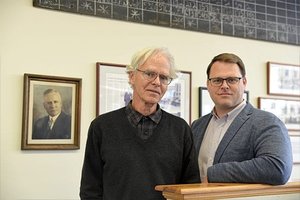
vinton birney imes iii
1951 - , United States of America
Quick Facts
- Artistic Movement Or Style: Southern Photography
- Artists Or Movements Influenced By This Artist: ['Eggleston Style']
- Artists Who Influenced This Artist:
- William Eggleston
- Eudora Welty
- Date Of Birth: 1951
- Full Name: Vinton Birney Imes III
- Nationality: American
- Notable Artworks:
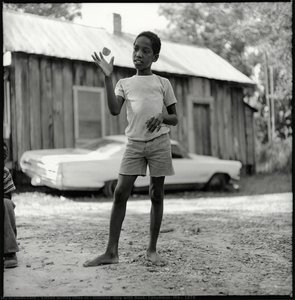
- Untitled (Boy with Rock)
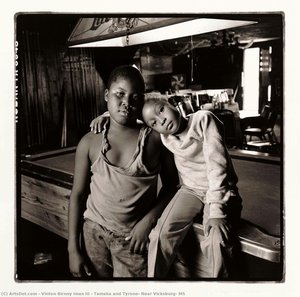
- Tameka and Tyrone
- Place Of Birth: Columbus, United States