 Preview
 Send
Send Share
Share
 Details

 Download
 Similars
 X-Ray
X-Ray Diaporama
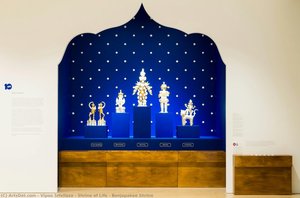
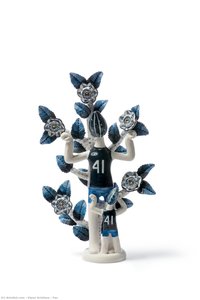
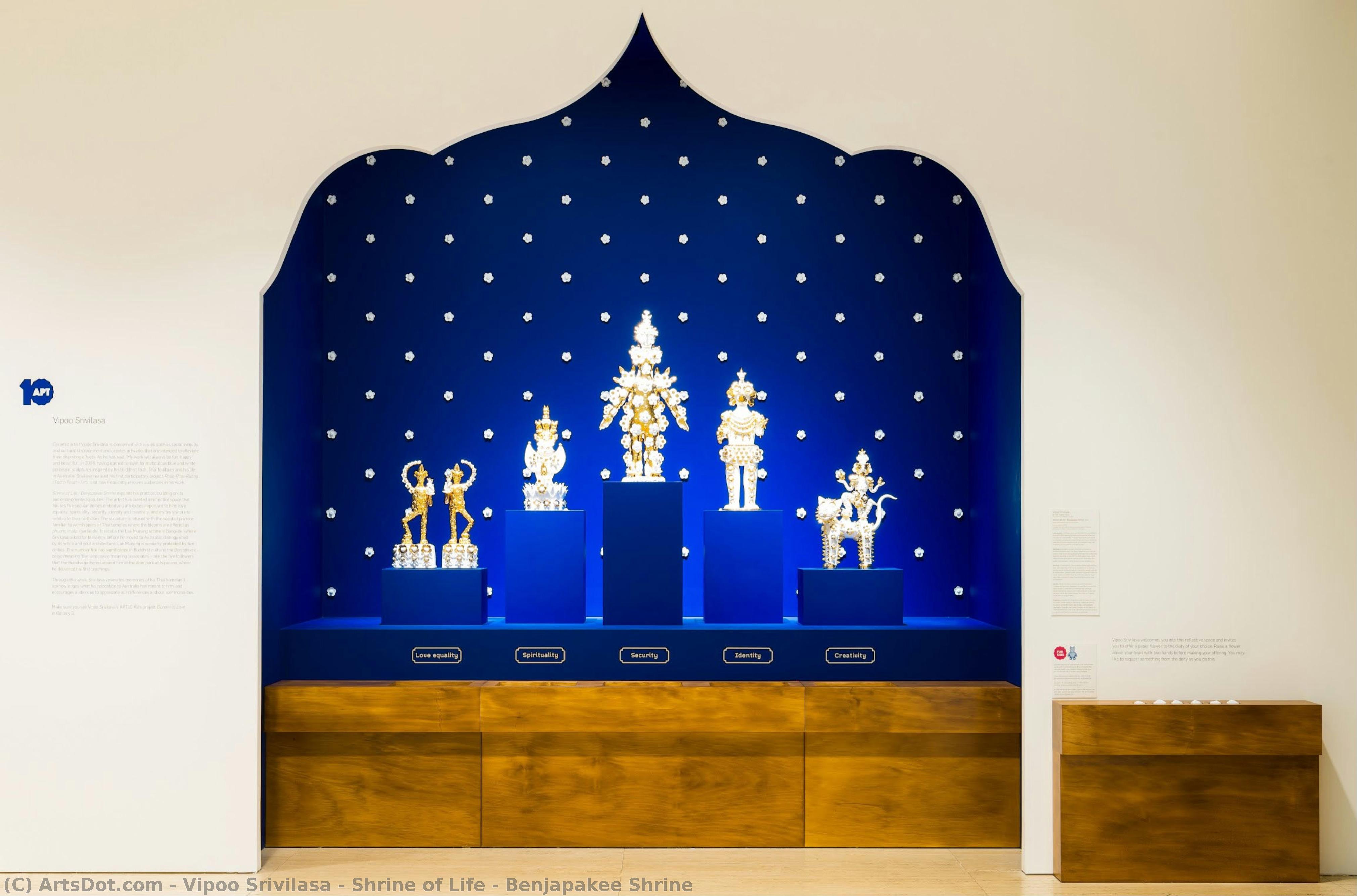
Shrine of Life / Benjapakee Shrine


 Read More
Giclée / Art Print
Museum-quality giclée or canvas print with fast production and flexible finish options. ( Buy Hand Made Painting Buy Image)




































Pick from our preset sizes that match the artwork's original proportions.

You may enter your own dimensions to fit a specific frame or space. If your selected size does not match the original image's proportions, we will either crop the artwork or extend the image with a mirrored or solid-fill edge. A digital mockup will be sent for your approval before production begins.
Please note that the on-screen preview does not reflect the actual cropping or extension. Only the mockup will accurately show the final composition.
While custom sizes are available, we recommend selecting a dimension from the predefined list to preserve the original proportions.
Worldwide Delivery () in 2 weeks instead of standard 4/5 weeks. (29 August)

Free Worldwide Express Shipping

High-Quality Linen Canvas

Full Shipping Insurance

Customs Tax Refund Guarantee

True Color Matching Guarantee

60-Day Return Policy (Defects Only)

100% Money-Back Guarantee

Bulk Discount Offer
 Glass option is only available in size under 110 CM

Shrine of Life / Benjapakee Shrine
Giclée / Art Print
Reproduction Size
-


Total Price
$ 63
Related Artworks










Artist Biography
Kara Walker: Unraveling the Shadows of American History
Kara Elizabeth Walker, born in November 1969, is an undeniably powerful and provocative contemporary artist whose work has irrevocably challenged viewers to confront uncomfortable truths about race, gender, sexuality, and violence within the United States. Her signature medium – large-scale cut-paper silhouettes – creates immersive tableaux that draw upon a rich tapestry of historical references, folklore, and personal reflection, demanding engagement far beyond simple observation. Walker’s journey from Stockton, California, to becoming one of the most celebrated Black American artists working today is marked by a relentless pursuit of artistic expression and a commitment to exploring the complexities of the American experience.Early Life and Artistic Beginnings
Walker's childhood was shaped by significant geographical and cultural shifts. Her father, Larry Walker, a painter and professor, moved the family from California to Stone Mountain, Georgia, in 1974, a move that exposed young Kara to a starkly different environment than her previous life. Stone Mountain’s history of Ku Klux Klan rallies and its deeply ingrained racial tensions provided a potent backdrop for her artistic development. This experience, coupled with the influence of her mother, Gwendolyn Walker, an administrative assistant, instilled in her a keen awareness of social dynamics and the enduring legacy of racism. Crucially, Kara’s father's career as an artist further nurtured her creative spirit, exposing her to the world of art from a young age. She began experimenting with drawing and painting during high school, developing a distinctive style characterized by bold lines and intricate detail – a foundation that would later inform her groundbreaking silhouette work.The Rise of Fons Americanus and Critical Recognition
Walker’s artistic breakthrough arrived in the late 1980s with the creation of *Fons Americanus* (1986-87), a series of monumental, room-sized cut-paper silhouettes depicting scenes of antebellum slavery. These works, initially presented as installations at the Brooklyn Museum and the Renaissance Society in Chicago, immediately garnered critical acclaim for their unflinching portrayal of sexual violence and exploitation within the context of the American South. *Fons Americanus* wasn’t merely a historical recreation; it was an intensely visceral experience that forced viewers to confront the brutal realities of slavery through a carefully constructed visual language. The work's impact extended beyond the art world, sparking widespread debate about race, representation, and the responsibility of artists to engage with difficult histories. In 1997, at the age of 28, Walker received a MacArthur Fellowship – often referred to as a “genius grant” – recognizing her exceptional artistic vision and contribution to contemporary art. This prestigious award catapulted her into the international spotlight.Technique and Thematic Exploration
Walker’s distinctive silhouette technique is both deceptively simple and profoundly complex. She meticulously cuts intricate black paper silhouettes from magazines, newspapers, and other printed materials, creating layered compositions that depict scenes of historical drama, often drawing upon African American folklore, biblical narratives, and the iconography of the American South. The use of mass-produced imagery – advertisements, illustrations, and photographs – adds a layer of irony to her work, highlighting the ways in which dominant cultural narratives are constructed and disseminated. Her subjects—often women—are rendered faceless, their identities deliberately obscured, allowing viewers to project their own interpretations onto the scenes. This deliberate ambiguity compels engagement with themes of power, vulnerability, sexuality, and the enduring trauma of slavery. Beyond *Fons Americanus*, Walker has explored a wide range of topics including gender identity, domestic violence, and the complexities of family relationships, consistently challenging conventional representations of race and sexuality.Legacy and Continuing Influence
Kara Walker’s work continues to resonate deeply with audiences today, solidifying her position as one of the most important artists working in America. Her unflinching exploration of difficult historical subjects, combined with her innovative use of materials and techniques, has established a unique artistic voice that is both challenging and profoundly moving. She holds the Tepper Chair in Visual Arts at Rutgers University, where she continues to mentor students and push the boundaries of contemporary art. Walker’s influence extends beyond the art world, inspiring conversations about race, representation, and social justice across various disciplines. Her work serves as a powerful reminder of the importance of confronting uncomfortable truths and engaging with the complex legacies of the past. Her ongoing projects demonstrate a commitment to exploring the enduring impact of historical trauma on contemporary society, ensuring that her artistic vision remains relevant and vital for generations to come.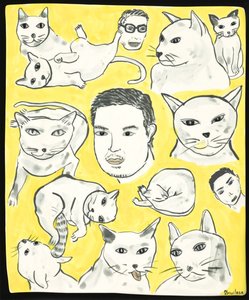
vipoo srivilasa
1969 - , Thailand
Quick Facts
- Artistic Movement Or Style: Silhouettist, installation artist
- Artists Or Movements Influenced By This Artist:
- Contemporary art
- Social commentary
- Artists Who Influenced This Artist:
- Edward Hopper
- Kara Walker
- Date Of Birth: November 26, 1969
- Full Name: Kara Elizabeth Walker
- Nationality: American
- Notable Artworks:
- Darkytown Rebellion
- no place (like home)
- Place Of Birth: Stockton, California, USA