

 Preview
 Send
Send Share
Share
 Details

 Download
 Similars
 X-Ray
X-Ray Diaporama
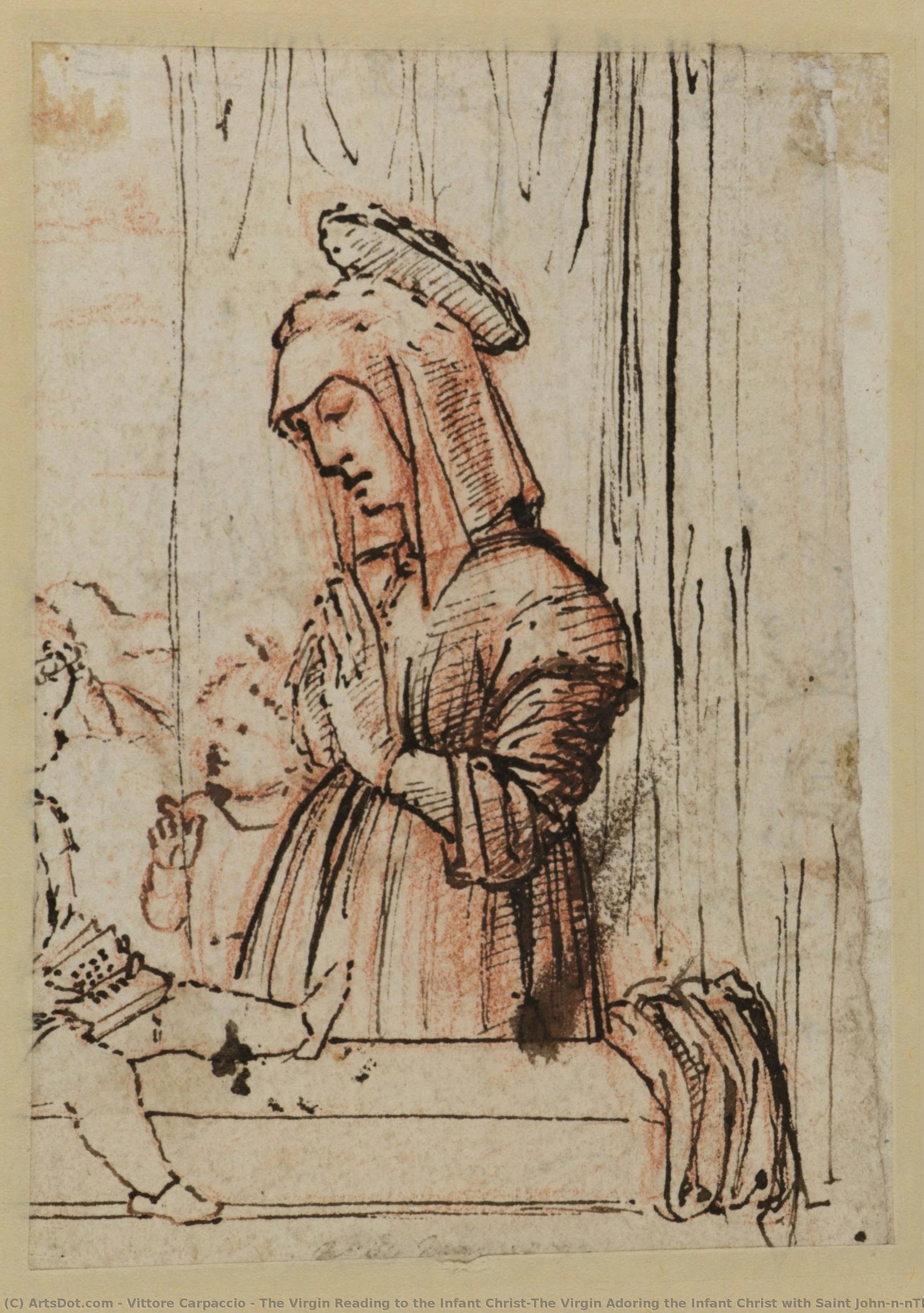
The Virgin Reading to the Infant Christ/The Virgin Adoring the Infant Christ with Saint John\n\nThe Virgin Reading to the Infant Christ (recto)


 Read More
Purchase a high-resolution, enhanced digital image, far superior to the online preview.
Each file is meticulously prepared by our in-house specialists using advanced tools and expert manual retouching. We ensure every image has exceptional clarity, precise color accuracy, and fine detail.
The final file is delivered via email within 72 hours, optimized for immediate use in professional, editorial, and print environments. This is the same quality trusted by top-tier design studios, publishers, and galleries.
Digital Image
Download a high-resolution file for personal display, printing, and creative projects. ( Buy Print Buy Hand Made Painting)
Included in Every Digital Image Order
Expert Digital Delivery, Guaranteed
When you choose ArtsDot.com, you're not just getting an image - you're receiving a professionally enhanced digital artwork, crafted with precision and backed by a satisfaction guarantee. Here's everything that comes with your order, automatically:

Fast Email Delivery
Your high-resolution digital image file will be emailed to you within 72 hours of ordering - ready for immediate use.

AI-Enhanced Digital File
Your artwork is professionally optimized using advanced AI tools and manual editing, ensuring maximum detail, clarity, and color accuracy.

Free Lifetime Re-Delivery
Accidentally deleted or lost your file? No worries - we'll resend it to you anytime, free of charge.

No Import Fees - Ever
Enjoy your artwork instantly with zero customs, duties, or delivery fees - digital downloads are always tax-free.

Color Accuracy Guarantee
We ensure your digital image reflects the original colors as closely as possible using professional tools and color management.

60-Day Satisfaction Guarantee
If you're not satisfied with your digital image, we'll revise it or refund 100% within 60 days - no questions asked.

100% Money-Back Guarantee
Not satisfied? Get a full refund within 60 days of receiving your digital file - no questions asked.

Bulk Order Discounts
Buy 3 images, save 10% - Buy 5, save 15% - Buy 10+, save 20%. Great for creative projects, galleries, and agencies.
Collectible Description
A Moment of Serenity: The Virgin and Child by Vittore Carpaccio
Vittore Carpaccio’s “The Virgin Reading to the Infant Christ,” painted around 1505, isn't merely a depiction of a biblical scene; it’s a carefully constructed tableau brimming with quiet contemplation and profound symbolism. Born in Venice during a period of burgeoning artistic innovation – a time where the influence of both early Italian Renaissance ideals and the more somber, narrative style of Northern European masters converged – Carpaccio crafted an image that transcends simple illustration, inviting viewers into a deeply personal moment within the sacred narrative.
The painting immediately draws the eye to the central figures: Mary, rendered with a gentle dignity, her face etched with both wisdom and maternal affection. She’s not presented as a celestial being, but as a woman – a mother – engaging in a familiar, intimate act. Her simple, dark gown contrasts subtly with the richly colored fabrics of the infant Christ and the surrounding figures, creating a visual hierarchy that emphasizes their importance while maintaining an approachable realism. The setting is deliberately understated; a modest room bathed in diffused light, suggesting a private space removed from the grandiosity often associated with religious art of the era.
The Narrative Power of Detail: Carpaccio’s Venetian Style
Carpaccio's distinctive style is immediately recognizable. Unlike the vibrant, almost theatrical compositions favored by his contemporaries like Bellini, Carpaccio meticulously builds his scenes through a painstaking accumulation of detail. He doesn’t rely on dramatic gestures or sweeping landscapes; instead, he focuses on capturing the nuances of human expression and the textures of everyday objects. Observe the folds in Mary's garment, rendered with astonishing precision, or the delicate details of the infant Christ’s face – each element contributes to a sense of tangible reality.
- Early Netherlandish Influence: Carpaccio’s meticulous attention to perspective and his use of light and shadow owe much to the artists of Northern Europe, particularly Jan van Eyck.
- Venetian Tradition: Despite this influence, Carpaccio retains a distinctly Venetian sensibility, evident in his use of color – rich reds, blues, and golds – and his ability to capture the atmosphere of Venice itself.
The inclusion of the young Saint John, seated attentively beside the infant Christ, adds another layer of complexity to the scene. He’s not simply a passive observer; he's actively engaged in the reading, mirroring Mary’s posture and suggesting a shared reverence for knowledge and faith. This subtle interaction elevates the painting beyond a straightforward depiction of the Virgin and Child.
Symbolism and Spiritual Depth
The act of reading itself is laden with symbolic meaning. In Carpaccio's time, literacy was a rare privilege, primarily held by clergy and wealthy elites. The scene thus represents the transmission of knowledge, faith, and divine wisdom from mother to child – a potent metaphor for the spiritual lineage that connects generations.
The book itself is likely an illuminated manuscript, a prized possession in any household. Its presence underscores the importance of scripture and the role of education in shaping religious belief. Furthermore, the composition echoes traditional depictions of the Annunciation, subtly reminding viewers of Mary’s pivotal role as the vessel through which divine grace entered the world.
A Legacy of Narrative: The Painting's Provenance
“The Virgin Reading to the Infant Christ” is a cornerstone of Carpaccio’s most famous cycle, “The Legend of Saint Ursula.” Originally part of a larger series depicting the lives and adventures of various saints, this particular panel offers a glimpse into the artist’s ability to weave complex narratives with remarkable clarity and emotional resonance. The painting's journey through aristocratic collections – from the Earl of Exeter in England to the Kress Foundation – speaks to its enduring appeal and artistic merit. Today, it resides at the National Gallery of Art in Washington D.C., where it continues to captivate viewers with its quiet beauty and profound spiritual depth.
Related Artworks
Artist Biography
early life and training
vittore carpaccio, a prominent italian painter, was born in venice around 1465. he studied under the tutelage of gentile bellini, a renowned artist of the venetian school. this apprenticeship laid the foundation for carpaccio's future success.artistic style and influences
carpaccio's style was characterized by its conservative nature, showing minimal influence from the humanist trends that transformed italian renaissance painting during his lifetime. his work was influenced by antonello da messina's style and early netherlandish art. this unique blend of styles resulted in a distinctive approach to venetian painting.notable works
- the legend of saint ursula, a cycle of nine paintings, is carpaccio's most famous work. this series, now housed in the gallerie dell'accademia, showcases his mastery of narrative painting.
- glory of st. ursula altarpiece (1491) demonstrates carpaccio's skill in capturing light and color, reminiscent of giovanni bellini's style.
- miracle of the relic of the cross at the ponte di rialto (1494) highlights carpaccio's ability to balance composition and narrative.
career highlights and legacy
- carpaccio's principal works were executed between 1490 and 1519, ranking him among the early masters of the venetian renaissance.
- his orientalist style, as seen in st. george baptizing the selenites, reflects a new fascination with the levant.
- carpaccio's work has been somewhat overlooked in comparison to his contemporaries, such as giovanni bellini or giorgione.
references and further reading
discover more about vittore carpaccio and the venetian school on ArtsDot.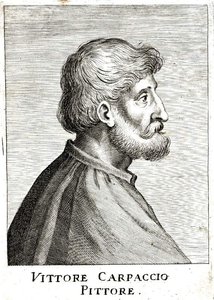
Vittore Carpaccio
1465 - 1526 , Italy
Quick Facts
- Artistic Movement Or Style: Early Venetian Renaissance
- Artists Or Movements Influenced By This Artist: ['Early Netherlandish Painting']
- Artists Who Influenced This Artist:
- Antonello da Messina
- Gentile Bellini
- Date Of Birth: Venice, Italy (c. 1465)
- Date Of Death: 1526
- Full Name: Vittore Carpaccio
- Nationality: Italian
- Notable Artworks:
- The Legend of Saint Ursula
- Glory of St. Ursula Altarpiece
- Miracle of the Relic of the Cross at the Ponte di Rialto
- Place Of Birth: Venice

