

 Preview
 Send
Send Share
Share
 Details

 Download
 Similars
 X-Ray
X-Ray Diaporama
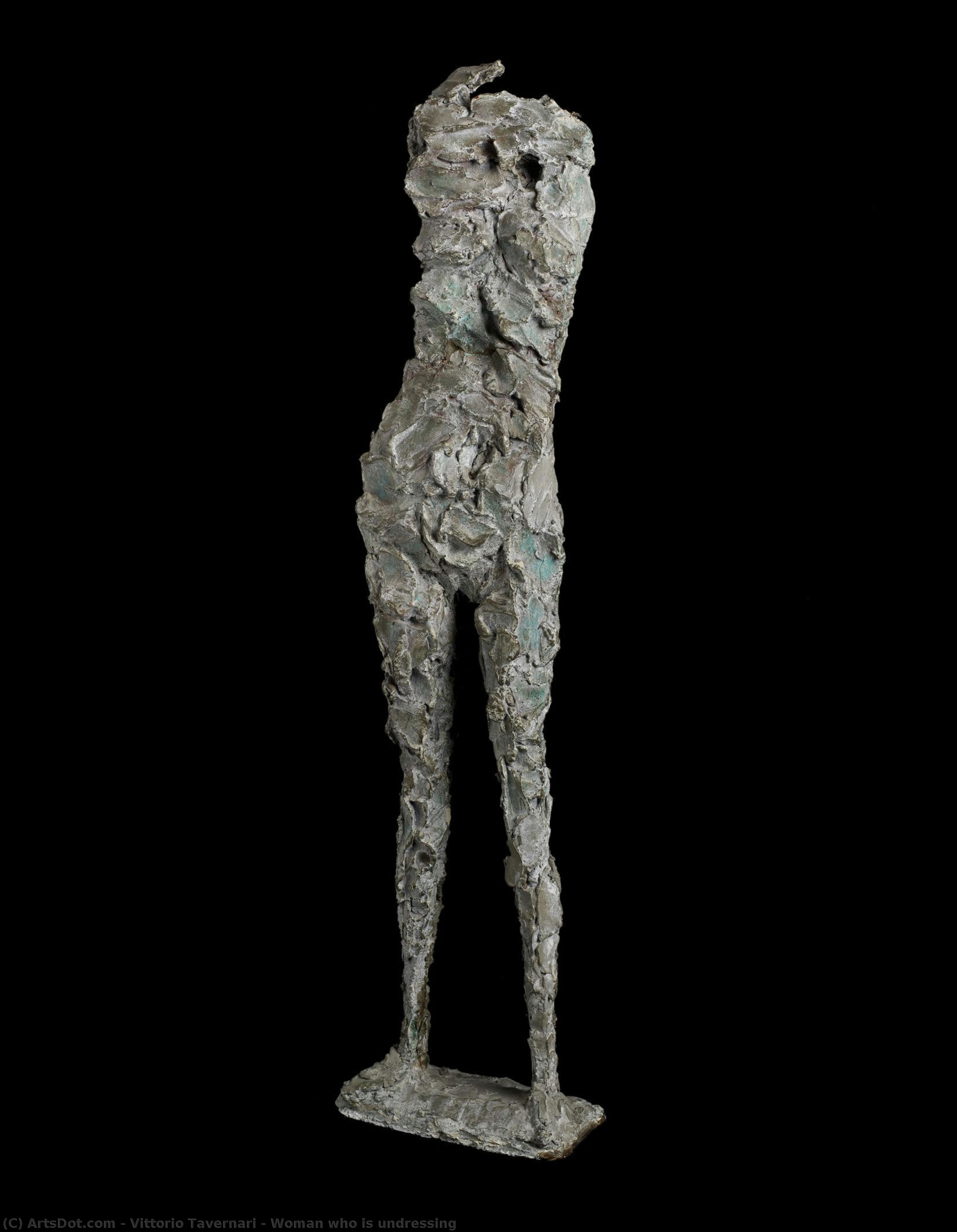
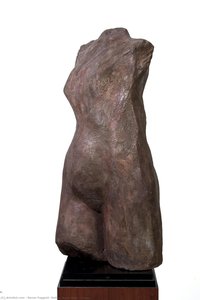
Woman who is undressing
 Contemporary Sculpture
 20.0 x 80.0 cm
 MAGA - Museo Arte Gallarate
 Read More
Purchase a high-resolution, enhanced digital image, far superior to the online preview.
Each file is meticulously prepared by our in-house specialists using advanced tools and expert manual retouching. We ensure every image has exceptional clarity, precise color accuracy, and fine detail.
The final file is delivered via email within 72 hours, optimized for immediate use in professional, editorial, and print environments. This is the same quality trusted by top-tier design studios, publishers, and galleries.
Digital Image
Download a high-resolution file for personal display, printing, and creative projects. ( Buy Print Buy Hand Made Painting)
Included in Every Digital Image Order
Expert Digital Delivery, Guaranteed
When you choose ArtsDot.com, you're not just getting an image - you're receiving a professionally enhanced digital artwork, crafted with precision and backed by a satisfaction guarantee. Here's everything that comes with your order, automatically:

Fast Email Delivery
Your high-resolution digital image file will be emailed to you within 72 hours of ordering - ready for immediate use.

AI-Enhanced Digital File
Your artwork is professionally optimized using advanced AI tools and manual editing, ensuring maximum detail, clarity, and color accuracy.

Free Lifetime Re-Delivery
Accidentally deleted or lost your file? No worries - we'll resend it to you anytime, free of charge.

No Import Fees - Ever
Enjoy your artwork instantly with zero customs, duties, or delivery fees - digital downloads are always tax-free.

Color Accuracy Guarantee
We ensure your digital image reflects the original colors as closely as possible using professional tools and color management.

60-Day Satisfaction Guarantee
If you're not satisfied with your digital image, we'll revise it or refund 100% within 60 days - no questions asked.

100% Money-Back Guarantee
Not satisfied? Get a full refund within 60 days of receiving your digital file - no questions asked.

Bulk Order Discounts
Buy 3 images, save 10% - Buy 5, save 15% - Buy 10+, save 20%. Great for creative projects, galleries, and agencies.
Related Artworks


Artist Biography
A Sculptor of the Human Condition: The Life and Art of Vittorio Tavernari
Vittorio Tavernari, born in Milan in 1919, emerged as a significant voice within the Italian artistic landscape of the post-World War II era. His journey began with formal training at the Scuola del Marmo from 1935 to 1938, an institution dedicated to the art of sculpting—a foundation that would profoundly shape his aesthetic and technical approach. However, Tavernari’s work wasn't merely a continuation of traditional sculptural practices; it was a deliberate response to the trauma and upheaval of the war years, a search for meaning and authenticity in a world irrevocably altered. He became a central figure in the Realism movement, not as a simple imitation of life but as an exploration of its raw emotional core and contemporary realities.The Manifesto del Realismo and Early Artistic Development
Tavernari’s artistic identity solidified with his participation in the *Oltre Guernica. Il Manifesto del Realismo* (Beyond Guernica: The Realism Manifesto) published in 1946 by the journal *Argine Numero*. This pivotal moment saw ten artists, including Tavernari and Giovanni Testori, articulate a commitment to representing “the total reality of mankind, in a given place and time.” The manifesto wasn’t simply a stylistic declaration; it was an ethical stance—a rejection of escapism and a call for art that engaged directly with the present. This period saw Tavernari experimenting with various materials – wood, bronze, cement, and marble – each lending itself to different expressive possibilities. His early sculptures often focused on the human figure, particularly torsos, stripped down to their essential forms. These weren’t idealized representations but rather studies of vulnerability, resilience, and the weight of existence. The plaster sculpture from 1943, a precursor to later castings, exemplifies this nascent exploration of the female form in torsion, revealing a modeling process that predates his most recognized works.Exploring Form and Emotion: A Sculptural Language
The years following the manifesto were crucial for Tavernari’s stylistic evolution. His sculptures from 1944-1947 demonstrate a shift from detailed figuration towards simplification of forms, imbued with a primitive and archaic quality. Works like *Maternità* (Maternity, 1944) showcase essential strokes delineating volumes, conveying a sense of ancestral power and quiet strength. *Donna che si sveste* (Woman Undressing, 1945), a captivating black & white sculpture, exemplifies his ability to capture intimate moments with profound sensitivity. These sculptures weren’t merely representations of the human body; they were explorations of inner states—of longing, vulnerability, and the complexities of identity. Tavernari's commitment to realism wasn't about photographic accuracy but about conveying emotional truth through form and texture. He sought a language that transcended superficial appearances, delving into the psychological depths of his subjects.Recognition and Legacy: From Peggy Guggenheim to MOMA
Tavernari’s dedication to his artistic vision didn’t go unnoticed. His work was exhibited at prestigious institutions like the Peggy Guggenheim Collection in Venice, solidifying his position within the international art world. Further recognition came with exhibitions at the Museum of Modern Art (MOMA) in New York City, bringing his sculptures to a wider audience and establishing him as a leading figure in post-war Italian art. While biographical details remain somewhat scarce—compilation is ongoing according to askART—the impact of his work is undeniable. Tavernari’s sculptures continue to resonate with viewers today, offering a powerful testament to the enduring human spirit and the transformative power of art. His exploration of form, emotion, and the complexities of contemporary life ensures his place as a significant contributor to 20th-century sculpture.The Enduring Relevance of a Realist Vision
Vittorio Tavernari’s legacy extends beyond specific artworks or institutional accolades. He represents a generation of artists grappling with the aftermath of war, seeking new ways to express the realities of their time. His commitment to realism—not as a mere style but as an ethical imperative—remains profoundly relevant in a world often saturated with superficiality and abstraction. His sculptures are not simply objects to be admired; they are invitations to contemplate the human condition, to confront our own vulnerabilities, and to recognize the shared experiences that bind us together. The enduring power of Tavernari’s work lies in its ability to connect with viewers on a deeply emotional level, reminding us of the beauty, fragility, and resilience of the human spirit.
vittorio tavernari
1919 - , Italy
Quick Facts
- Artistic Movement Or Style: Realism
- Date Of Birth: 1919
- Full Name: Vittorio Tavernari
- Nationality: Italian
- Notable Artworks: ['Woman who is undressing']
- Place Of Birth: Milan, Italy

