

 Preview
 Send
Send Share
Share
 Details

 Download
 Similars
 X-Ray
X-Ray Diaporama
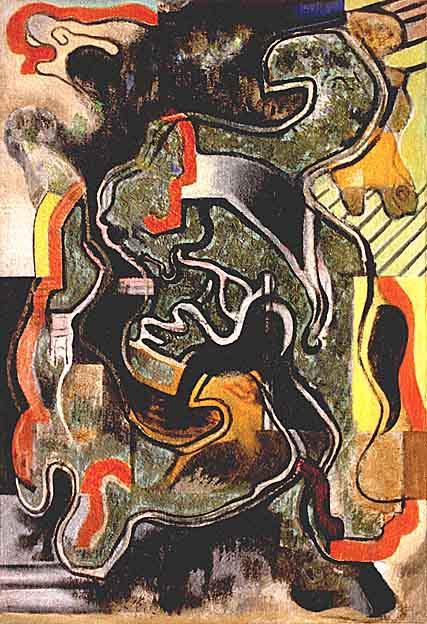
Horses

 Read More
Purchase a high-resolution, enhanced digital image, far superior to the online preview.
Each file is meticulously prepared by our in-house specialists using advanced tools and expert manual retouching. We ensure every image has exceptional clarity, precise color accuracy, and fine detail.
The final file is delivered via email within 72 hours, optimized for immediate use in professional, editorial, and print environments. This is the same quality trusted by top-tier design studios, publishers, and galleries.
Digital Image
Download a high-resolution file for personal display, printing, and creative projects. ( Buy Print Buy Hand Made Painting)
Included in Every Digital Image Order
Expert Digital Delivery, Guaranteed
When you choose ArtsDot.com, you're not just getting an image - you're receiving a professionally enhanced digital artwork, crafted with precision and backed by a satisfaction guarantee. Here's everything that comes with your order, automatically:

Fast Email Delivery
Your high-resolution digital image file will be emailed to you within 72 hours of ordering - ready for immediate use.

AI-Enhanced Digital File
Your artwork is professionally optimized using advanced AI tools and manual editing, ensuring maximum detail, clarity, and color accuracy.

Free Lifetime Re-Delivery
Accidentally deleted or lost your file? No worries - we'll resend it to you anytime, free of charge.

No Import Fees - Ever
Enjoy your artwork instantly with zero customs, duties, or delivery fees - digital downloads are always tax-free.

Color Accuracy Guarantee
We ensure your digital image reflects the original colors as closely as possible using professional tools and color management.

60-Day Satisfaction Guarantee
If you're not satisfied with your digital image, we'll revise it or refund 100% within 60 days - no questions asked.

100% Money-Back Guarantee
Not satisfied? Get a full refund within 60 days of receiving your digital file - no questions asked.

Bulk Order Discounts
Buy 3 images, save 10% - Buy 5, save 15% - Buy 10+, save 20%. Great for creative projects, galleries, and agencies.
Related Artworks






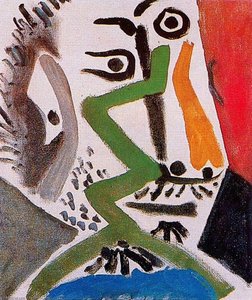
Artist Biography
The Early Years and the Seeds of Vision
Vincent van Gogh, born in Zundert, Netherlands, on March 30, 1853, was a figure whose life and art are inextricably linked to a profound struggle for self-expression and an intense connection with the natural world. His early years were marked by a quiet, introspective nature, a sensitivity that manifested in his artistic pursuits from a young age. Unlike many artists of his time who received formal training, Van Gogh largely taught himself, developing his skills through diligent observation and tireless practice. He initially worked as an art dealer in The Hague and London, experiences that exposed him to the commercial realities of the art world and fostered a deep appreciation for diverse artistic styles. However, these early professional endeavors did little to quell his yearning for a more meaningful existence, one rooted in genuine creative expression. His family’s modest circumstances and his own personal disappointments – including a failed romance with Sien Hoornik – contributed to a sense of isolation and a growing awareness of the human condition's inherent suffering. These formative experiences would profoundly shape his artistic vision, imbuing it with an emotional depth and raw honesty rarely seen in contemporary art. The influence of Dutch Masters like Rembrandt and Millet, particularly their use of light and shadow to convey mood and emotion, subtly informed his nascent style.- Early Influences: Rembrandt, Millet
- Initial Career: Art Dealer (Hague & London)
- Personal Struggles: Failed Romance, Isolation
The Rise of a Distinctive Style – From Darkness to Light
Van Gogh’s artistic journey truly began in earnest around 1880, coinciding with a period of intense personal and spiritual searching. He moved to Paris in 1886, immersing himself in the vibrant Impressionist and Post-Impressionist scene. This exposure proved transformative, introducing him to artists like Toulouse-Lautrec, Degas, and Gauguin – encounters that dramatically influenced his palette, brushwork, and approach to subject matter. He initially experimented with darker, more somber tones, reflecting his own emotional turmoil, as evidenced in works such as *The Potato Eaters* (1885), a poignant depiction of peasant life imbued with a sense of hardship and resilience. However, the influence of Impressionism’s emphasis on capturing fleeting moments of light and color gradually began to shift his perspective. His time in Paris marked a crucial turning point, leading him to adopt brighter colors and looser brushstrokes – techniques he would further refine during his subsequent stay in Arles, Southern France. This period saw the emergence of iconic works like *Self-Portrait with Bandaged Ear* (1889), a brutally honest depiction of his mental struggles following a severe psychotic episode.- Parisian Influence: Impressionism & Post-Impressionism
- Key Artists: Toulouse-Lautrec, Degas, Gauguin
- Early Works: *The Potato Eaters* (1885)
Arles and the Flowering of Genius – A Period of Intense Productivity
Following his departure from Paris in 1888, Van Gogh settled in Arles, a small Provençal town that would become the setting for some of his most celebrated works. Seeking to establish an artist’s colony alongside Paul Gauguin, he envisioned a community dedicated to artistic experimentation and collaboration. However, this idyllic dream quickly dissolved as tensions arose between the two artists, culminating in a violent altercation during which Van Gogh mutilated his own ear. Despite this traumatic event, he continued to paint with feverish intensity, producing an astonishing volume of work – over 860 paintings and drawings – in a remarkably short period. The landscapes of Arles—fields of sunflowers, wheat fields bathed in golden light, the Rhône River reflecting the sky—became recurring subjects, imbued with his deeply felt emotions. This period witnessed the creation of some of his most iconic masterpieces, including *Sunflowers* (1888), *Starry Night Over the Rhone* (1888), and *The Bedroom in Arles* (1888). His use of impasto—applying paint thickly to create a textured surface—became increasingly pronounced, adding a tactile dimension to his work.- Arles Residency: Seeking an Artist’s Colony
- Collaboration with Gauguin: Tensions and Conflict
- Key Works: *Sunflowers*, *Starry Night Over the Rhone*, *The Bedroom in Arles*
Legacy and Lasting Impact – A Revolutionary Vision
Vincent van Gogh’s tragically short life—he died on July 29, 1890—left behind a body of work that profoundly impacted the course of art history. Though largely unrecognized during his lifetime, his innovative use of color, brushwork, and emotional expression laid the groundwork for Expressionism and other modern artistic movements. His intensely personal style, characterized by raw honesty and vulnerability, resonated deeply with audiences long after his death. His letters to his brother Theo provide invaluable insights into his creative process and his struggles with mental illness, offering a poignant glimpse into the mind of a tormented genius. Today, Van Gogh’s paintings are among the most beloved and recognizable in the world, displayed in museums across the globe and reproduced endlessly. His legacy extends beyond the art world, serving as a symbol of artistic passion, perseverance, and the enduring power of human emotion. The influence of his bold colors, expressive brushstrokes, and deeply felt subject matter continues to inspire artists and captivate viewers alike, solidifying his place as one of the most important figures in Western art.- Posthumous Recognition: Growing Appreciation
- Influence on Art Movements: Expressionism
- Lasting Legacy: Symbol of Artistic Passion & Vulnerability
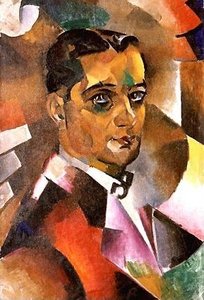
vladimir baranoff rossiné
1888 - 1944
Quick Facts
- Artistic Movement Or Style: Abstract painting, Color theory
- Artists Or Movements Influenced By This Artist:
- Color Field painting
- Bauhaus movement
- Artists Who Influenced This Artist:
- Paul Klee
- Wassily Kandinsky
- Date Of Birth: 1888
- Date Of Death: 1976
- Full Name: Josef Albers
- Nationality: German-American
- Notable Artworks:
- Homage to the Square
- Yellow Hexagons
- Place Of Birth: Bottrop, Germany

