 Preview
 Send
Send Share
Share
 Details

 Download
 Similars
 X-Ray
X-Ray Diaporama
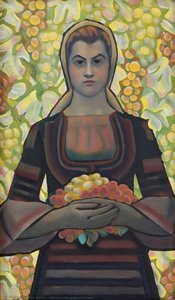
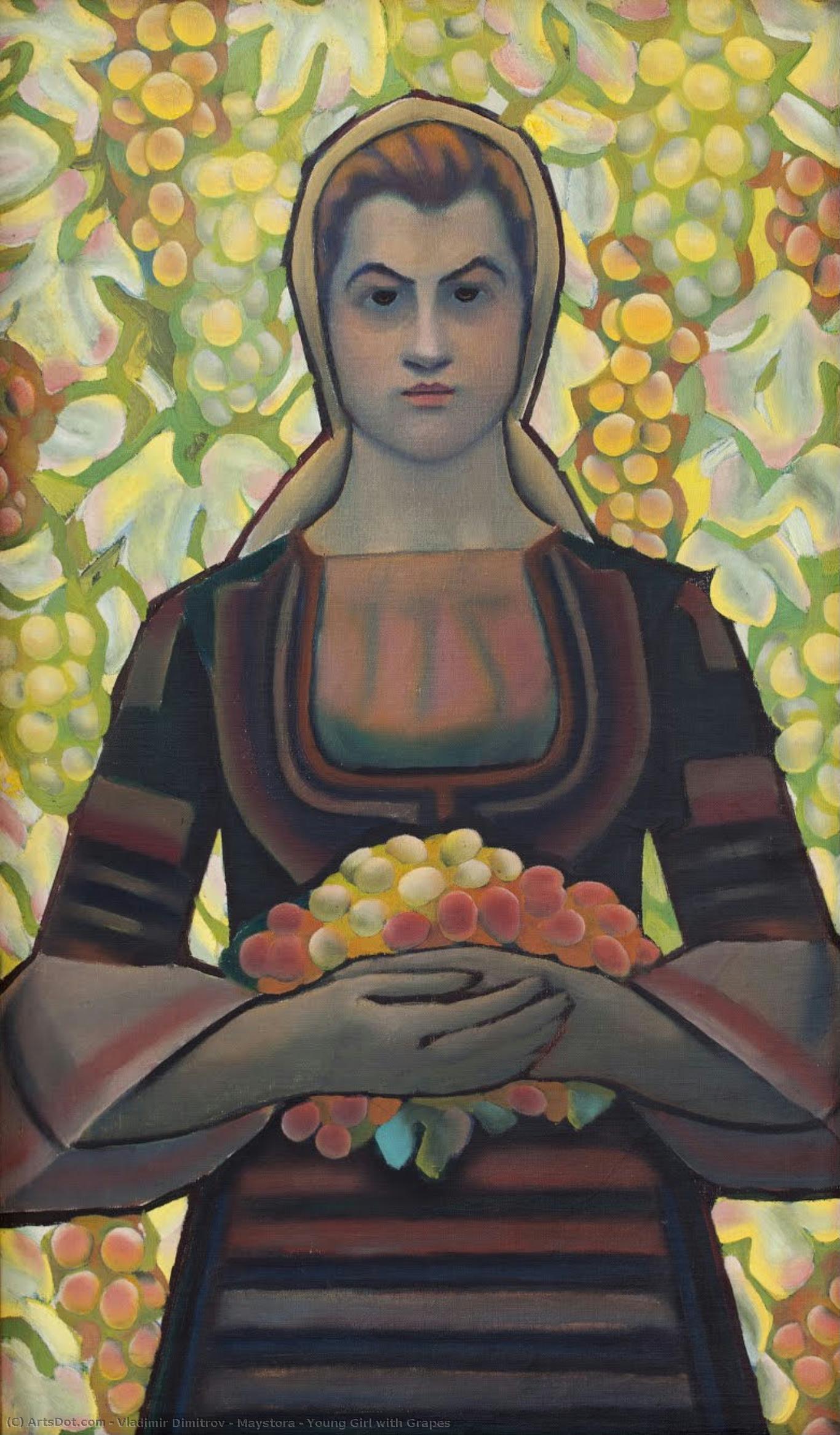
Young Girl with Grapes

 Read More
Hand Made Oil Reproduction
Hand-painted oil on canvas in your size and frame, made to order by our artists. ( Buy Print Buy Image)




































Pick from our preset sizes that match the artwork's original proportions.

You may enter your own dimensions to fit a specific frame or space. If your selected size does not match the original image's proportions, we will either crop the artwork or extend the painting with additional hand-painted elements. A digital mockup will be sent for your approval before production begins.
Please note that the on-screen preview does not reflect the actual cropping or extension. Only the mockup will accurately show the final composition.
While custom sizes are available, we recommend selecting a dimension from the predefined list to preserve the original proportions.
After order, ArtsDot.com team will email client for instructions and provide a mockup preview
Worldwide Delivery () in 3/4 weeks instead of standard 5 weeks. (23 August). No compromise on quality.

Free Worldwide Express Shipping

High-Quality Linen Canvas

Full Shipping Insurance

Customs Tax Refund Guarantee

True Color Matching Guarantee

60-Day Return Policy (Defects Only)

100% Money-Back Guarantee

Bulk Discount Offer
 Glass option is only available in size under 110 CM

Young Girl with Grapes
Reproduction Medium
Reproduction Size
-


Total Price
$ 263
Related Artworks








Artist Biography
Edward Hopper: The Solitude of the American Landscape
Edward Hopper (1882-1967) remains one of America’s most enduring and enigmatic figures in art history. More than just a painter, he was a keen observer of modern life, capturing the quiet loneliness and subtle dramas unfolding within the increasingly urbanized landscapes of early 20th-century America. Born in Nyack, New York, to a comfortable middle-class family with Dutch ancestry, Hopper’s artistic journey began modestly but ultimately led him to international recognition and a place among the giants of American realism.
Hopper's early life was marked by a supportive environment that nurtured his nascent talent. He initially studied illustration at the Correspondence School of Illustrating in New York City before enrolling at the New York School of Art under the tutelage of William Merritt Chase and Robert Henri. These formative influences shaped his approach to art, encouraging him to move beyond mere representation and explore the emotional resonance of his subjects. Henri’s emphasis on depicting “everyday conditions” proved particularly influential, pushing Hopper to find narrative depth within commonplace scenes.
Hopper's artistic development was punctuated by several significant trips abroad – Paris in 1906-7, Paris again in 1909, and a brief visit to Spain the following year. These experiences exposed him to European art movements, notably Impressionism and Post-Impressionism, particularly the work of Edgar Degas and Édouard Manet. He was drawn to their compositional techniques and their ability to capture fleeting moments and urban life with remarkable clarity. However, Hopper resisted fully embracing the radical innovations of Cubism or Fauvism, instead distilling these influences into a uniquely American style characterized by stark realism, precise detail, and an evocative use of light and shadow.
The Palette of Isolation
Hopper’s signature style is instantly recognizable. He masterfully employed a limited palette—often dominated by muted blues, grays, and browns—to create a sense of stillness and introspection. His compositions frequently feature solitary figures within expansive spaces – diners at late hours, train stations deserted after dark, or apartments overlooking bustling city streets. These scenes are imbued with a profound sense of loneliness and isolation, reflecting the anxieties and uncertainties of modern life.
A key element of Hopper’s technique was his careful manipulation of light. He used it not merely to illuminate subjects but to shape mood and create dramatic contrasts between darkness and shadow. This chiaroscuro effect heightened the emotional impact of his paintings, drawing the viewer's eye to specific details and suggesting unspoken narratives.
His most famous work, *Nighthawks* (1942), exemplifies this approach perfectly. The painting depicts four figures in a brightly lit diner at night, surrounded by an empty urban landscape. The scene is both inviting and unsettling, conveying a sense of isolation and vulnerability. The lack of visible entry points to the diner further emphasizes the characters’ confinement and their detachment from the outside world.
Themes and Influences
Hopper's work consistently explored themes of loneliness, alienation, and the tension between tradition and progress. He was particularly interested in depicting the experiences of individuals navigating the complexities of modern American society – the quiet desperation of urban dwellers, the yearning for connection amidst vast distances, and the sense of displacement that often accompanies rapid social change.
Beyond his artistic influences, Hopper drew inspiration from literature, music, and photography. He was a devoted admirer of writers like Henry James and Dostoevsky, whose works explored themes of psychological complexity and existential angst. His paintings frequently evoke the atmosphere of novels and films, creating a cinematic quality that resonates with viewers.
Legacy and Recognition
Despite initial resistance from some critics, Hopper’s work gradually gained recognition throughout his career. He achieved widespread acclaim in the 1930s and 1940s, becoming one of America's most celebrated artists. His paintings are now housed in major museums around the world, including the Metropolitan Museum of Art, the Museum of Modern Art, and the National Gallery of Art.
Hopper’s influence on subsequent generations of American artists is undeniable. His exploration of urban landscapes, his masterful use of light and shadow, and his poignant portrayal of human emotion continue to resonate with viewers today. He remains a powerful symbol of American realism and a testament to the enduring appeal of quiet contemplation in an increasingly chaotic world.
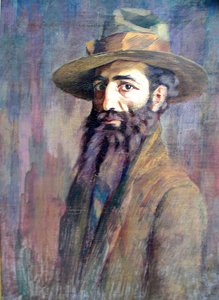
vladimir dimitrov - maystora
1882 - 1960 , Bulgaria
Quick Facts
- Artistic Movement Or Style: Realism, American Realism
- Artists Or Movements Influenced By This Artist:
- Umberto Boccioni
- George Bellows
- Artists Who Influenced This Artist:
- William Merritt Chase
- Robert Henri
- Date Of Birth: July 22, 1882
- Date Of Death: May 15, 1967
- Full Name: Edward Hopper
- Nationality: American
- Notable Artworks:
- Nighthawks
- Automat
- Office in a Small City
- Place Of Birth: Nyack, New York, USA