 Preview
 Send
Send Share
Share
 Details

 Download
 Similars
 X-Ray
X-Ray Diaporama
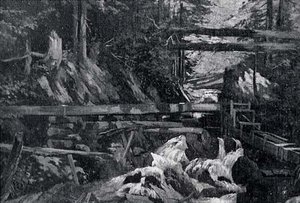
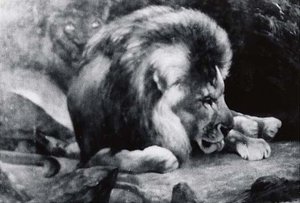
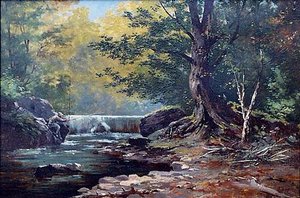
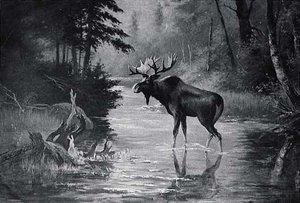
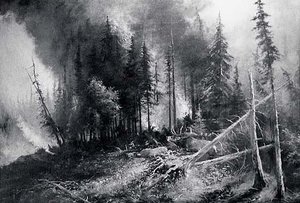
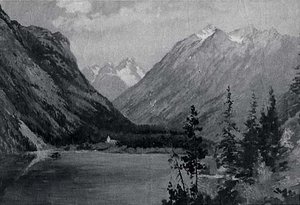
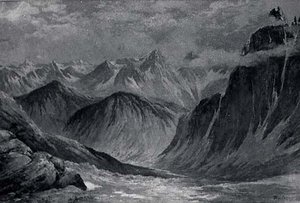
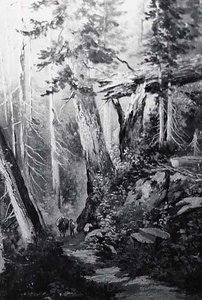
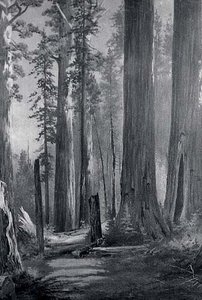
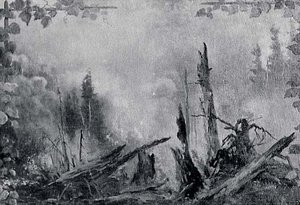
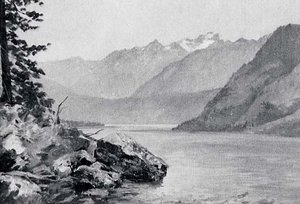
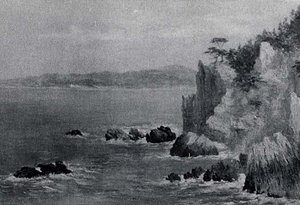
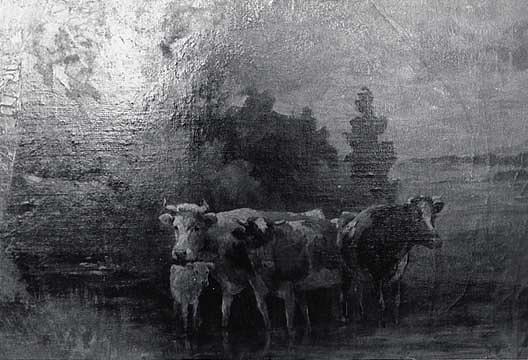
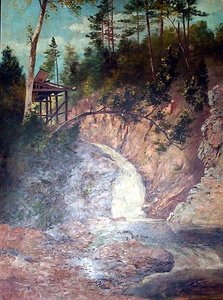
Pastoral, (painting)
 Read More
Hand Made Oil Reproduction
Hand-painted oil on canvas in your size and frame, made to order by our artists. ( Buy Print Buy Image)




































Pick from our preset sizes that match the artwork's original proportions.

You may enter your own dimensions to fit a specific frame or space. If your selected size does not match the original image's proportions, we will either crop the artwork or extend the painting with additional hand-painted elements. A digital mockup will be sent for your approval before production begins.
Please note that the on-screen preview does not reflect the actual cropping or extension. Only the mockup will accurately show the final composition.
While custom sizes are available, we recommend selecting a dimension from the predefined list to preserve the original proportions.
After order, ArtsDot.com team will email client for instructions and provide a mockup preview
Worldwide Delivery () in 3/4 weeks instead of standard 5 weeks. (17 August). No compromise on quality.

Free Worldwide Express Shipping

High-Quality Linen Canvas

Full Shipping Insurance

Customs Tax Refund Guarantee

True Color Matching Guarantee

60-Day Return Policy (Defects Only)

100% Money-Back Guarantee

Bulk Discount Offer
 Glass option is only available in size under 110 CM

Pastoral, (painting)
Reproduction Medium
Reproduction Size
-


Total Price
$ 263
Artist Biography
Feodor von Luerzer: The American Odyssey of an Austrian Immigrant Artist
Feodor von Luerzer (1851-1913) was born February 14, 1851 at Saalfelden, Salzburg Province, Austria, the third of the eleven children of Count Matthias von Luerzer and his wife Eleanor. Being the older of the count’s two sons, von Luerzer was in line to succeed to his father's title. Dorfheim, the family’s ancestral castle near Saalfelden, is still standing today and serves as a testament to the noble lineage that shaped his formative years. The count was chief forester of the district and it was his wish that his elder son would one day assume this role—a desire that profoundly influenced von Luerzer's intellectual pursuits and artistic inclinations. As a young man, von Luerzer pursued military training diligently, preparing for a career in service to Austria. He completed his cadet’s education around 1872 and was commissioned as a captain, marking the beginning of his involvement with the armed forces. Notably, he sustained injuries during combat against the Turks—a formative experience that instilled within him a deep appreciation for heroism and resilience. His daughter recounted this incident as having occurred during a military confrontation between Austria and Turkey, underscoring its significance in shaping his worldview. Records at the Vienna Art Academy reveal that von Luerzer enrolled as a student during the 1884-1885 winter semester—a pivotal moment in his artistic journey. He studied under Christian Griepenkerl (1839-1916), an artist celebrated primarily for his monumental murals depicting mythological narratives. According to his daughter, von Luerzer’s decision to pursue art stemmed from a desire to honor his father's legacy and embrace a path that aligned with his intellectual passions—a testament to the enduring influence of familial values on artistic aspirations. Von Luerzer embarked upon an ambitious transatlantic voyage in 1886, relocating to Milwaukee, Wisconsin, where he found employment as a panorama painter. The commercial production of expansive paintings portraying historical events or religious themes was a thriving industry at that time within Milwaukee’s artistic landscape—one that captivated the imagination of both locals and visitors alike. He worked under William Wehner, proprietor of the American Panorama Company, collaborating with a team of skilled artists to create immersive visual experiences for audiences eager to engage with grand narratives. By 1887, von Luerzer had established himself in Duluth, Minnesota—a city that would become his artistic home and enduring inspiration. He befriended Carl Thiel, a photographer and former actor who shared his passion for theatrical performance and civic engagement. Together they formed a vibrant social circle within Duluth’s burgeoning cultural milieu—one characterized by intellectual curiosity and a commitment to fostering community spirit. Furthermore, he actively participated in the Duluth *Turnverein*, a gymnastics organization that championed liberal ideals and advocated for social reform—reflecting his progressive sensibilities and unwavering belief in human potential. His artistic output during this period encompassed a diverse range of landscapes and genre scenes—each imbued with meticulous attention to detail and infused with evocative symbolism. Among his most notable achievements were panoramic depictions of Civil War battles, capturing the drama and grandeur of pivotal moments in American history; and portraits portraying individuals from Duluth’s social elite—demonstrating his mastery of artistic technique and his ability to convey nuanced psychological insights. His paintings stand as enduring reminders of a bygone era—illuminating the cultural landscape of late nineteenth-century America with remarkable clarity and artistry.- Notable Paintings: Santa Cruz Cliffs, Rocky Creek and Observation Deck
- Influences: Christian Griepenkerl, Romanticism
- Achievements: Panoramic Painting Commissions, Duluth Turnverein Membership
von luerzer
1851 - 1913
Quick Facts
- Artistic Movement Or Style: German Romanticism
- Artists Or Movements Influenced By This Artist: ['Anton von Werner']
- Artists Who Influenced This Artist: ['Christian Griepenkerl']
- Date Of Birth: February 14, 1851
- Date Of Death: 1913
- Full Name: Feodor von Luerzer
- Nationality: Austrian
- Notable Artworks:
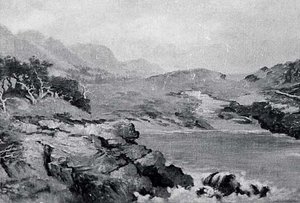
- Santa Cruz Cliffs
- (Rocky Creek and Observation Deck)
- South Dakota Badlands
- Place Of Birth: Saalfelden, Salzburg Province, Austria