

 Preview
 Send
Send Share
Share
 Details

 Download
 Similars
 X-Ray
X-Ray Diaporama
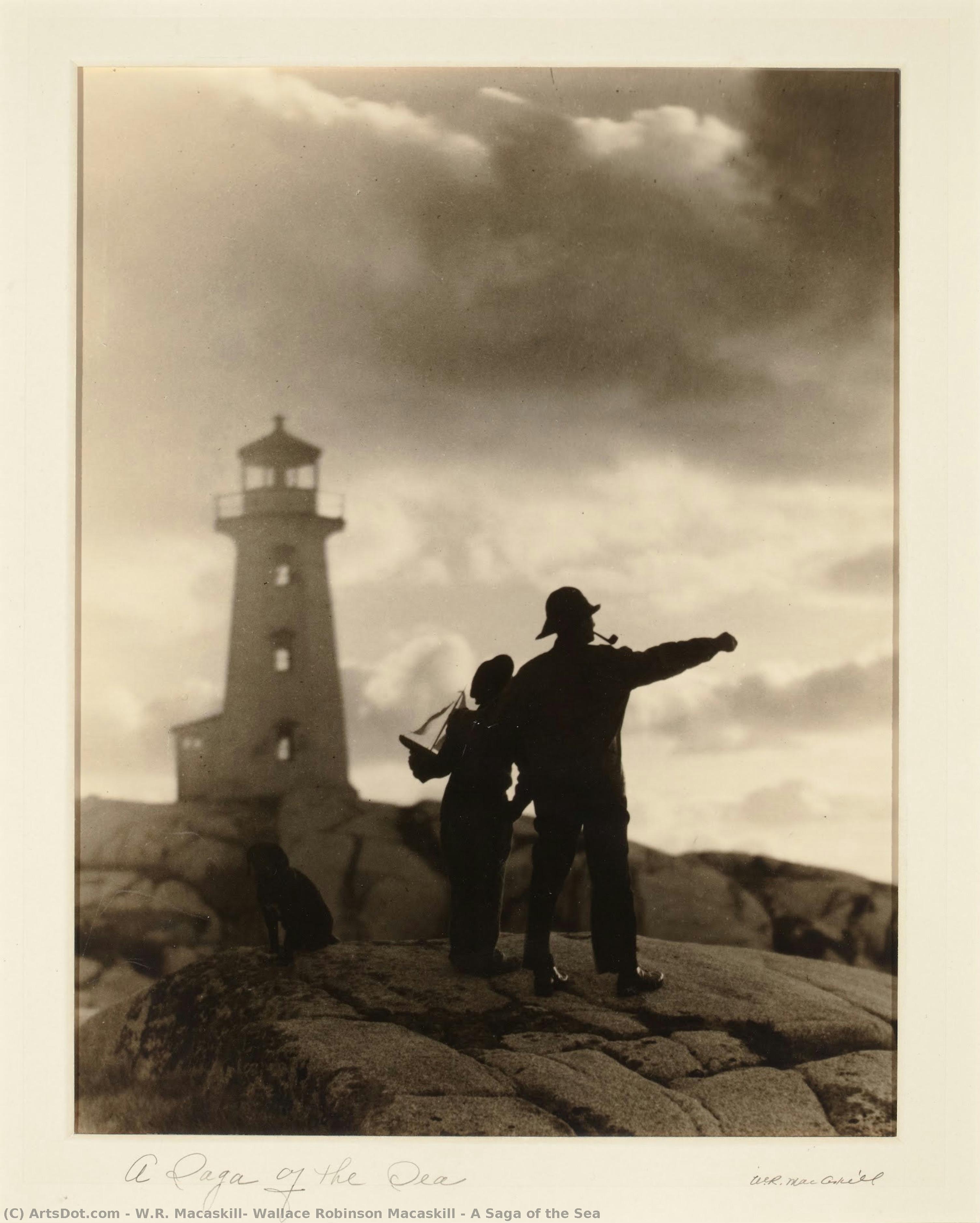
A Saga of the Sea
 Other
Other 35.0 x 28.0 cm
 The Robert McLaughlin Gallery
 Read More
Purchase a high-resolution, enhanced digital image, far superior to the online preview.
Each file is meticulously prepared by our in-house specialists using advanced tools and expert manual retouching. We ensure every image has exceptional clarity, precise color accuracy, and fine detail.
The final file is delivered via email within 72 hours, optimized for immediate use in professional, editorial, and print environments. This is the same quality trusted by top-tier design studios, publishers, and galleries.
Digital Image
Download a high-resolution file for personal display, printing, and creative projects. ( Buy Print Buy Hand Made Painting)
Included in Every Digital Image Order
Expert Digital Delivery, Guaranteed
When you choose ArtsDot.com, you're not just getting an image - you're receiving a professionally enhanced digital artwork, crafted with precision and backed by a satisfaction guarantee. Here's everything that comes with your order, automatically:

Fast Email Delivery
Your high-resolution digital image file will be emailed to you within 72 hours of ordering - ready for immediate use.

AI-Enhanced Digital File
Your artwork is professionally optimized using advanced AI tools and manual editing, ensuring maximum detail, clarity, and color accuracy.

Free Lifetime Re-Delivery
Accidentally deleted or lost your file? No worries - we'll resend it to you anytime, free of charge.

No Import Fees - Ever
Enjoy your artwork instantly with zero customs, duties, or delivery fees - digital downloads are always tax-free.

Color Accuracy Guarantee
We ensure your digital image reflects the original colors as closely as possible using professional tools and color management.

60-Day Satisfaction Guarantee
If you're not satisfied with your digital image, we'll revise it or refund 100% within 60 days - no questions asked.

100% Money-Back Guarantee
Not satisfied? Get a full refund within 60 days of receiving your digital file - no questions asked.

Bulk Order Discounts
Buy 3 images, save 10% - Buy 5, save 15% - Buy 10+, save 20%. Great for creative projects, galleries, and agencies.
Related Artworks
Artist Biography
Early Life and Artistic Foundations
Marcel Duchamp, born Henri-Robert-Marcel Duchamp on July 28, 1887, in Blainville, Normandy, France, was the youngest of six children within a family steeped in artistic tradition. His grandfather, a shipping agent with a passion for engraving, and his older brothers, Jacques Villon and Raymond Duchamp-Villon – both accomplished artists themselves – provided an early environment that subtly shaped his future trajectory. The Duchamps’ home fostered a creative atmosphere, encouraging experimentation and a questioning of established artistic norms. Marcel's initial artistic explorations began with traditional painting during his time in Paris after 1904, mirroring the styles prevalent at the time—Post-Impressionism and the burgeoning influence of Paul Cézanne. However, this early phase was marked by a growing dissatisfaction with what he perceived as the limitations of conventional representation. A pivotal moment arrived when Duchamp encountered Arthur Wesley Dow, an American artist advocating for a radically different approach to art – one that prioritized color, line, and composition over meticulous detail and realistic depiction. Dow’s philosophy profoundly impacted Duchamp, shifting his focus from replicating visual reality to expressing inner feelings and ideas through abstract forms. This marked the beginning of a deliberate departure from traditional painting techniques and a nascent exploration of non-representational art.- Jacques Villon: Marcel's elder brother, a prominent Cubist painter and printmaker.
- Raymond Duchamp-Villon: Another brother, a sculptor who further explored abstract forms.
- Arthur Wesley Dow’s Influence: A key figure in shaping Duchamp’s shift towards abstraction and emphasizing the expressive potential of line and color.
The Rise of Cubism and Early Innovations
Following his move to Paris in 1904, Marcel quickly immersed himself in the vibrant artistic scene, absorbing the latest trends and experimenting with various styles. His early paintings demonstrated a clear engagement with the prevailing currents of the time—Post-Impressionism and the revolutionary ideas of Cubism. However, it was in 1911 that Duchamp truly forged his own distinctive voice. He began to synthesize elements from both Cubism and Futurism, creating a unique visual language characterized by earthy colors, fragmented forms, and a dynamic sense of movement. This period culminated in *Nude Descending a Staircase, No. 2* (1912), a monumental canvas that caused considerable controversy at the Salon des Indépendants. The painting’s unconventional depiction of the human figure—a swirling vortex of shapes and colors—challenged viewers' expectations and established Duchamp as a provocative force within the art world. The subsequent exhibition at the New York Armory Show in 1913 further amplified this notoriety, exposing his work to a wider American audience and sparking intense debate about the future of art. Key Works from this Period:**- *Nude Descending a Staircase, No. 2* (1912)
- Early Cubist paintings incorporating elements of Futurism
The Readymade and the Rejection of Artistic Conventions
Duchamp’s most enduring legacy lies in his radical conceptual approach to art, epitomized by the invention of the “readymade” in 1913. Rejecting the traditional notion that an artwork must be created through manual skill and artistic labor, Duchamp selected ordinary, mass-produced objects—a bicycle wheel, a shovel, a urinal—and declared them works of art simply by designating them as such. His most famous readymade, *Fountain* (1917), – a porcelain urinal signed “R. Mutt” – was submitted anonymously to an exhibition organized by the Society of Independent Artists in New York City. The ensuing scandal and public outcry forced Duchamp to confront the very definition of art and challenged the established hierarchy between artist and artwork. This act wasn’t merely a prank; it was a deliberate provocation designed to expose the arbitrary nature of artistic value and question the role of the artist's hand in determining what constitutes art. Duchamp continued to employ readymades throughout his career, using them as vehicles for exploring themes of chance, consumerism, and the relationship between art and everyday life. The Readymade: A revolutionary concept that redefined the boundaries of artistic creation.New York Years and Conceptual Explorations
Following World War I, Duchamp relocated to New York City in 1915, immersing himself in the city’s burgeoning avant-garde scene. During this period, he engaged with Dadaism, a movement characterized by its rejection of logic, reason, and traditional values. He collaborated with Man Ray on *New York Dada*, a publication that documented the movement's activities and ideas. In the 1920s, Duchamp embarked on his most ambitious project—*The Bride Stripped Bare by Her Bachelors, Even (The Large Glass)* – a monumental work combining painting, sculpture, and collage. This complex and enigmatic piece, which he considered his magnum opus, reflects his fascination with chance, sexuality, and the subconscious mind. Later in life, Duchamp continued to experiment with various conceptual strategies, including the use of numbers, letters, and mathematical formulas as artistic elements. His final major work, *Etant donnés* (1966), a three-dimensional reconstruction of *The Bride Stripped Bare by Her Bachelors, Even*, demonstrated his enduring commitment to challenging conventional notions of art and pushing the boundaries of creative expression.Legacy and Historical Significance
Marcel Duchamp’s impact on 20th-century art is immeasurable. He fundamentally altered the way artists think about their role in society and redefined the very definition of what constitutes a work of art. His embrace of chance, his critique of artistic skill, and his willingness to challenge established conventions paved the way for Conceptual Art, Minimalism, and other movements that followed. Duchamp’s legacy extends beyond the realm of painting; he influenced generations of artists across various disciplines, including sculpture, photography, and performance art. His work continues to provoke debate and inspire new approaches to artistic creation, solidifying his position as one of the most influential and enigmatic figures in the history of modern art.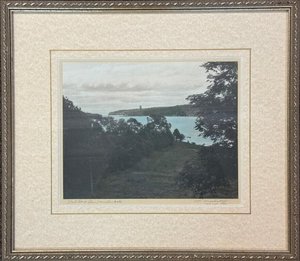
w.r. macaskill, wallace robinson macaskill
1887 - 1956 , Canada
Quick Facts
- Artistic Movement Or Style:
- Cubism
- Dada
- Surrealism
- Artists Or Movements Influenced By This Artist:
- Johnston
- Picasso
- Braque
- Artists Who Influenced This Artist:
- Cézanne
- Matisse
- Villon
- Date Of Birth: July 28, 1887
- Date Of Death: October 2, 1968
- Full Name: Henri-Robert-Marcel Duchamp
- Nationality: French American
- Notable Artworks:
- Nude Descending a Staircase (No. 2)
- Fountain
- Etant donnés
- Place Of Birth: Blainville, Normandy

