 Preview
 Send
Send Share
Share
 Details

 Download
 Similars
 X-Ray
X-Ray Diaporama
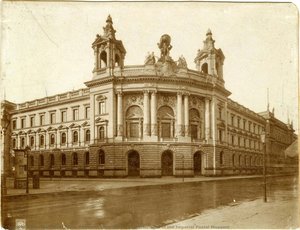
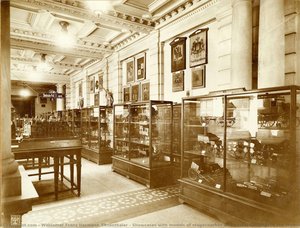
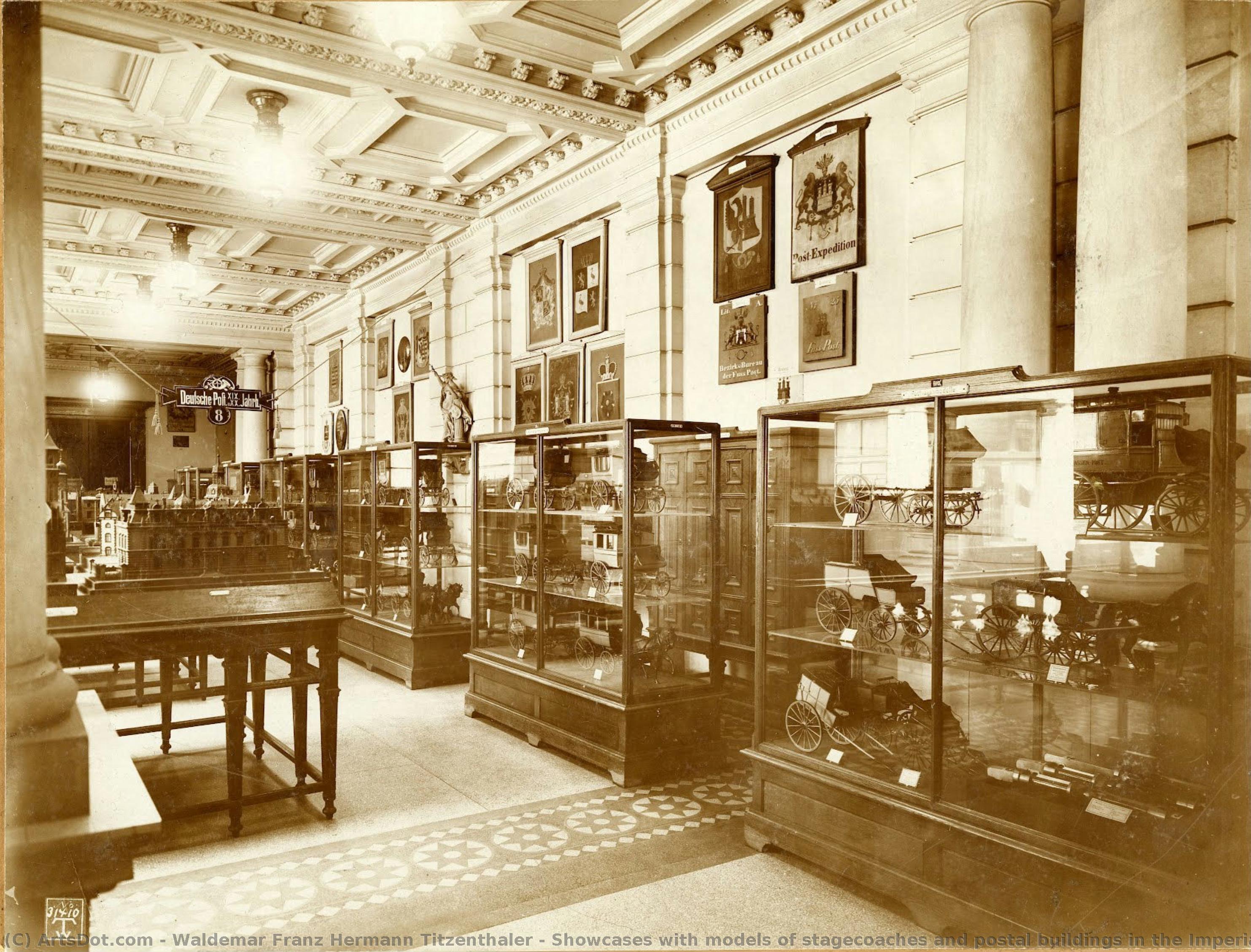
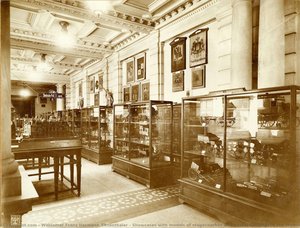
Showcases with models of stagecoaches and postal buildings in the Imperial Postal Museum

 Read More
Hand Made Oil Reproduction
Hand-painted oil on canvas in your size and frame, made to order by our artists. ( Buy Print Buy Image)




































Pick from our preset sizes that match the artwork's original proportions.

You may enter your own dimensions to fit a specific frame or space. If your selected size does not match the original image's proportions, we will either crop the artwork or extend the painting with additional hand-painted elements. A digital mockup will be sent for your approval before production begins.
Please note that the on-screen preview does not reflect the actual cropping or extension. Only the mockup will accurately show the final composition.
While custom sizes are available, we recommend selecting a dimension from the predefined list to preserve the original proportions.
After order, ArtsDot.com team will email client for instructions and provide a mockup preview
Worldwide Delivery () in 3/4 weeks instead of standard 5 weeks. (26 August). No compromise on quality.

Free Worldwide Express Shipping

High-Quality Linen Canvas

Full Shipping Insurance

Customs Tax Refund Guarantee

True Color Matching Guarantee

60-Day Return Policy (Defects Only)

100% Money-Back Guarantee

Bulk Discount Offer
 Glass option is only available in size under 110 CM

Showcases with models of stagecoaches and postal buildings in the Imperial Postal Museum
Reproduction Medium
Reproduction Size
-


Total Price
$ 263
Related Artworks





Artist Biography
Waldemar Franz Hermann Titzenthaler: A Berlin Pioneer
Waldemar Franz Hermann Titzenthaler (August 19, 1869 – March 7, 1937) stands as a pivotal figure in the history of German photography and urban documentation. Born in Ljubljana, Austria-Hungary—now Slovenia—the son of Grand Duchy of Oldenburg Court photographer Franz Hermann Titzenthaler, he inherited a legacy of artistic precision and a dedication to capturing the spirit of his time. His life’s work centered on documenting Berlin's evolving cityscape and its cultural landscape during the late 19th and early 20th centuries, establishing him as one of the foremost practitioners of commercial photography and shaping the visual record of Imperial Germany.- Early Life & Training: Titzenthaler’s formative years were spent honing his photographic skills under the tutelage of Karl Friedrich Wunder in Hanover. This apprenticeship instilled a foundational understanding of technique and artistic vision, preparing him for his subsequent explorations into diverse photographic styles.
- Zander & Labisch Collaboration: His association with Zander & Labisch marked a turning point, propelling him to the forefront of Berlin’s burgeoning press photography industry. The studio's commitment to disseminating impactful images solidified Titzenthaler’s role as a chronicler of social and artistic developments.
- The Berliner Illustrierte Zeitung: From 1897 onwards, Titzenthaler served as editor-in-chief for *Die Berliner Ilustrierte Zeitung*, arguably the most influential German illustrated newspaper of its era. Under his guidance, the publication produced stunning panoramas and detailed depictions of Berlin’s architectural grandeur and daily life—works that continue to resonate with scholars and enthusiasts.
Technique & Artistic Style
Titzenthaler's photographic approach distinguished itself through meticulous attention to detail and a masterful command of studio lighting. He favored large-format cameras, allowing him to achieve exceptional sharpness and tonal range—characteristics that are evident in his iconic images of Berlin’s landmarks and portraits of prominent figures. His compositions often employed symmetrical arrangements and carefully considered perspectives, reflecting the aesthetic sensibilities of the Belle Époque. Furthermore, he skillfully utilized techniques like albumen printing to produce durable prints with rich textures and nuanced colors, ensuring that his artistic vision endured across generations.- Imperial Postal Museum: Titzenthaler’s contribution to architectural documentation is particularly noteworthy, exemplified by his photographs of the Imperial Postal Museum in Berlin. These images capture the building's imposing scale and intricate ornamentation with remarkable accuracy—testaments to his dedication to preserving visual records of historical sites.
- Portraiture: He produced portraits of actors, singers, directors and architects, capturing their likenesses with sensitivity and artistic flair. His photographs served as invaluable representations of Berlin’s cultural elite during the period.
Legacy & Controversies
Waldemar Titzenthaler's legacy extends beyond his photographic achievements; he was a staunch supporter of German nationalism and antisemitism, aligning himself enthusiastically with Adolf Hitler’s ascent to power. He championed the incorporation of Austrian territories into the Reich and advocated for discriminatory policies against Jewish citizens—positions that reflect the troubling ideological currents of his time. Despite these controversial viewpoints, Titzenthaler remains an important figure in photographic history, recognized for his technical prowess and his indelible contribution to documenting Berlin’s visual culture.- Memorial Path: In 2003, a memorial path named after him was erected in Ötztal, Austria—a poignant reminder of the complexities inherent in assessing artistic talent alongside ethical considerations.
waldemar franz hermann titzenthaler
1869 - 1937 , Germany
Quick Facts
- Artistic Movement Or Style: Commercial Photography
- Artists Or Movements Influenced By This Artist: ['Imperial Postal Museum']
- Artists Who Influenced This Artist: ['Karl Friedrich Wunder']
- Date Of Birth: 1869-08-19
- Date Of Death: 1937-03-07
- Full Name: Waldemar Franz Hermann Titzenthaler
- Nationality: German
- Notable Artworks: ['Showcases with models of stagecoaches and postal buildings in the Imperial Postal Museum']
- Place Of Birth: Ljubljana, Austria-Hungary