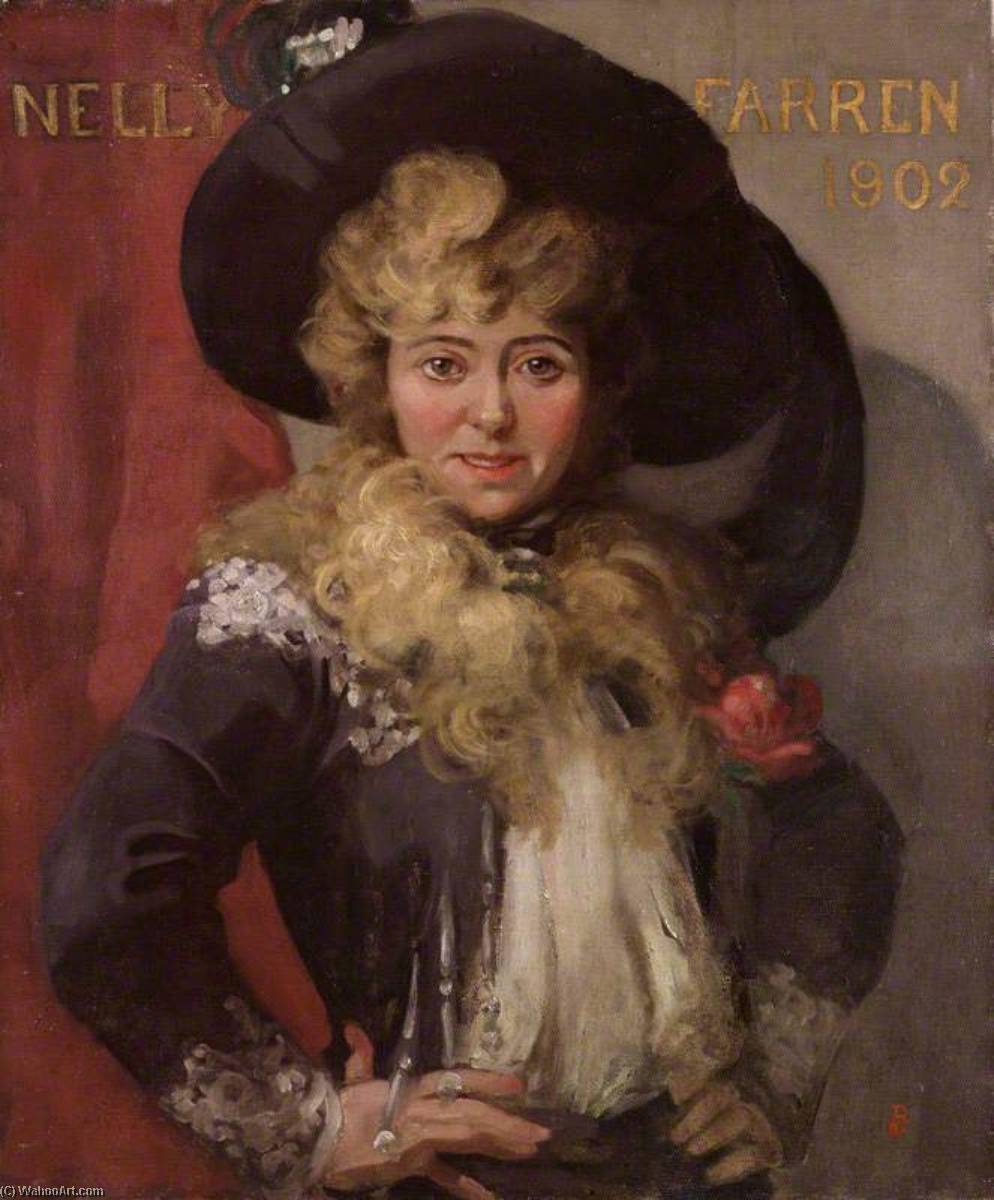
 Preview
 Send
Send Share
Share
 Details

 Download
 Similars
 X-Ray
X-Ray Diaporama
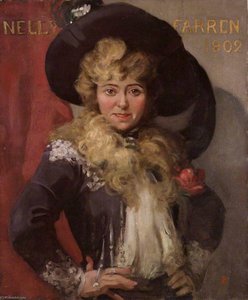
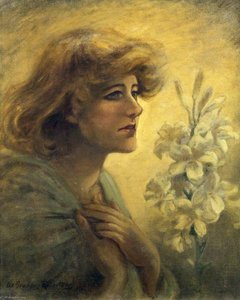
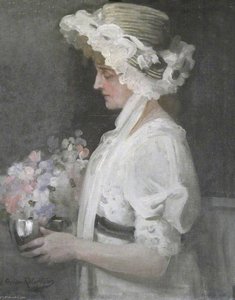
Ellen ('Nellie') Farren
 1902
1902 78.0 x 61.0 cm
 Read More
Hand Made Oil Reproduction
Hand-painted oil on canvas in your size and frame, made to order by our artists. ( Buy Print Buy Image)




































Pick from our preset sizes that match the artwork's original proportions.

You may enter your own dimensions to fit a specific frame or space. If your selected size does not match the original image's proportions, we will either crop the artwork or extend the painting with additional hand-painted elements. A digital mockup will be sent for your approval before production begins.
Please note that the on-screen preview does not reflect the actual cropping or extension. Only the mockup will accurately show the final composition.
While custom sizes are available, we recommend selecting a dimension from the predefined list to preserve the original proportions.
After order, ArtsDot.com team will email client for instructions and provide a mockup preview
Worldwide Delivery () in 3/4 weeks instead of standard 5 weeks. (17 August). No compromise on quality.

Free Worldwide Express Shipping

High-Quality Linen Canvas

Full Shipping Insurance

Customs Tax Refund Guarantee

True Color Matching Guarantee

60-Day Return Policy (Defects Only)

100% Money-Back Guarantee

Bulk Discount Offer
 Glass option is only available in size under 110 CM

Ellen ('Nellie') Farren
Reproduction Medium
Reproduction Size
-


Total Price
$ 263
Related Artworks
Artist Biography
Walford Graham Robertson: A Victorian Visionary
Walford Graham Robertson (8 July 1866 – 4 September 1948) wasn’t merely a painter; he was a meticulously constructed persona, a collector of curiosities, and a keen observer of the vibrant, often decadent, world of late Victorian England. Born into a wealthy shipbuilding family in London, Robertson's early life fostered an appreciation for both artistic pursuits and the tangible rewards of commerce – a duality that profoundly shaped his career and worldview. His story is one of quiet influence, of knowing the right people, and of cultivating a deeply personal aesthetic rooted in a blend of Pre-Raphaelite romanticism, Symbolist mysticism, and a surprisingly pragmatic approach to life. He left behind a legacy not of grand exhibitions or public acclaim, but rather a collection of exquisitely rendered portraits and landscapes that offer intimate glimpses into a bygone era.Early Influences and Artistic Training
Robertson’s artistic journey began with formal training at the National Art Training School in South Kensington, where he honed his skills under Albert Moore, a prominent figure in the Aesthetic movement. However, it was his exposure to the Pre-Raphaelites – particularly Dante Gabriel Rossetti and Edward Burne-Jones – that truly ignited his imagination. These artists, with their fascination for mythology, folklore, and intricate detail, provided a crucial foundation for Robertson’s own work. He developed an early passion for William Blake, discovering his art at the age of seventeen and amassing a remarkable collection over decades, eventually donating over twenty works to the Tate Gallery. This dedication to Blake wasn't simply about owning beautiful objects; it was a deep engagement with a visionary spirit, a kindred soul who challenged conventional notions of beauty and truth. His grandmother’s friendship with Coleridge further cemented his connection to artistic and intellectual circles.A Life Lived in the Shadows: Costume Design and Memoir
Robertson's career extended far beyond painting. He became a sought-after costume designer, lending his talents to numerous theatrical productions starring stars like Sarah Bernhardt and Ellen Terry. These collaborations provided invaluable experience in capturing the essence of character through visual representation – a skill that undoubtedly informed his portraiture. He also wrote extensively, most notably *Time Was*, a sprawling memoir filled with anecdotes about his friendships with literary giants such as Oscar Wilde, Henry James, and Jane Morris. This book offers a fascinating window into the social and artistic landscape of late Victorian London, revealing Robertson’s role as a quiet observer and astute chronicler of its eccentric figures. The memoir is not simply a recounting of events; it's imbued with Robertson’s distinctive wit and a subtle self-awareness that reveals his carefully constructed persona.The Style of Robertson: Portraits and Idyllic Landscapes
Robertson’s artistic style is characterized by a remarkable sensitivity to light, texture, and psychological nuance. His portraits are not merely likenesses; they are explorations of character, capturing the inner lives of his subjects with subtle gestures, fleeting expressions, and carefully chosen details. He possessed an uncanny ability to convey both vulnerability and strength, creating images that linger in the memory long after viewing. Simultaneously, Robertson produced a series of idyllic landscapes – often depicting rural scenes bathed in golden light – that evoke a sense of nostalgia for a simpler time. These works are imbued with a quiet beauty, reflecting his own retreat from the bustle of London to a secluded cottage in Surrey. His paintings frequently feature elements of Symbolism, hinting at deeper meanings and suggesting connections between the visible world and the realm of the unconscious.Legacy and Historical Significance
Walford Graham Robertson’s impact on the art world is often understated, yet his contributions are significant. He wasn't a revolutionary artist seeking to overturn established conventions; rather, he was a skilled craftsman who quietly excelled within the existing framework of Victorian society. His dedication to collecting, particularly his extraordinary collection of William Blake’s work, has enriched our understanding of the Romantic poet and artist. His portraits offer invaluable insights into the personalities and social dynamics of late 19th-century England, while his landscapes capture a timeless beauty that continues to resonate with viewers today. Robertson's life exemplifies a particular kind of Victorian sensibility – one marked by intellectual curiosity, artistic refinement, and a deep appreciation for the pleasures of solitude. He remains a compelling figure in British art history, a testament to the power of quiet observation and understated elegance.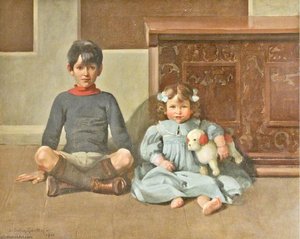
walford graham robertson
1866 - 1948
Quick Facts
- Artistic Movement Or Style: Victorian Portraiture
- Artists Or Movements Influenced By This Artist:
- Wilde
- Oscar Wilde
- Artists Who Influenced This Artist:
- Albert Moore
- Burne-Jones
- Date Of Birth: 8 July 1866
- Date Of Death: 4 September 1948
- Full Name: Walford Graham Robertson
- Nationality: British
- Notable Artworks:
- Binkie
- Time Was
- Place Of Birth: London, England