

 Preview
 Send
Send Share
Share
 Details

 Download
 Similars
 X-Ray
X-Ray Diaporama
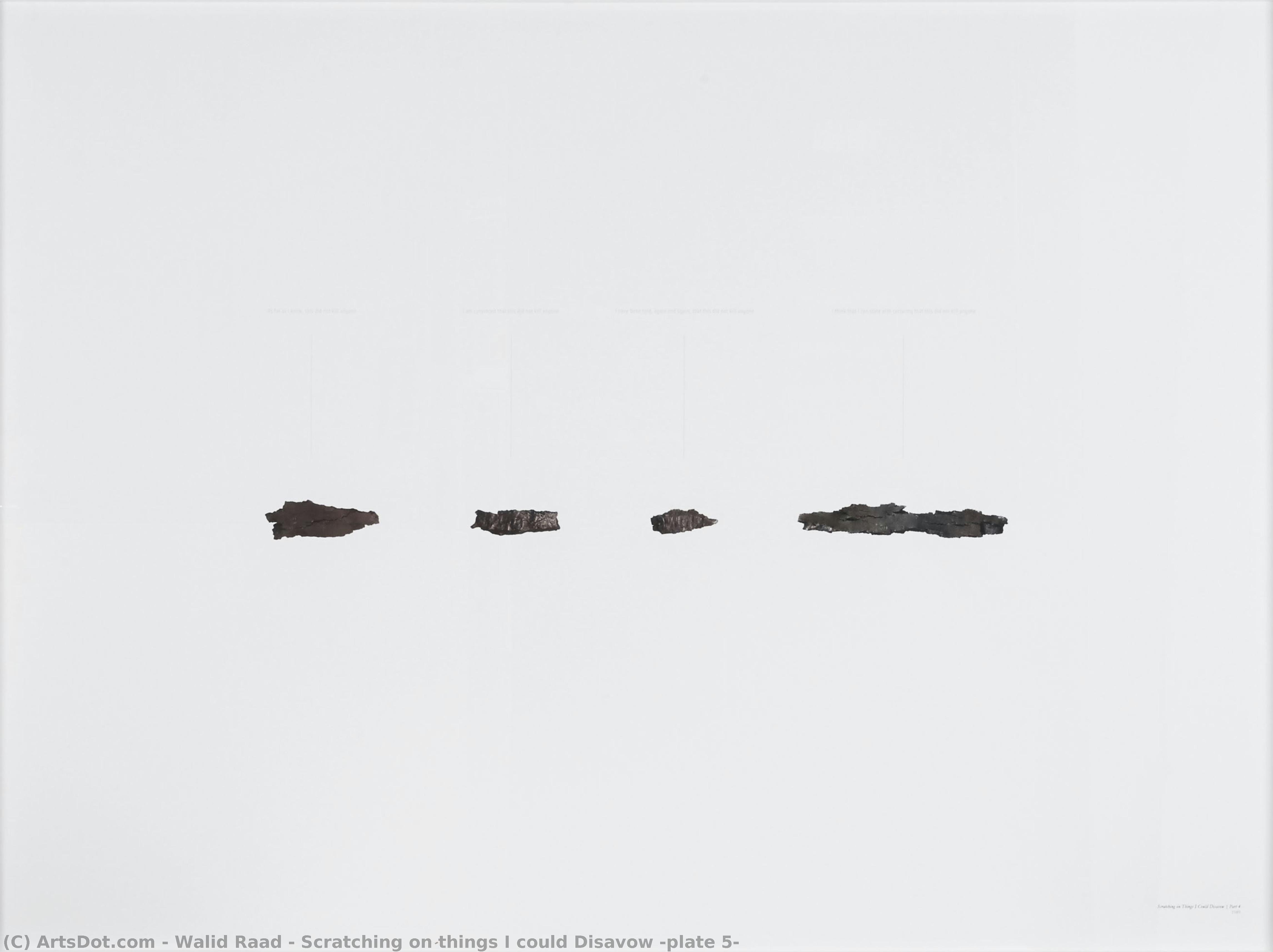
Scratching on things I could Disavow (plate 5)

 Read More
Purchase a high-resolution, enhanced digital image, far superior to the online preview.
Each file is meticulously prepared by our in-house specialists using advanced tools and expert manual retouching. We ensure every image has exceptional clarity, precise color accuracy, and fine detail.
The final file is delivered via email within 72 hours, optimized for immediate use in professional, editorial, and print environments. This is the same quality trusted by top-tier design studios, publishers, and galleries.
Digital Image
Download a high-resolution file for personal display, printing, and creative projects. ( Buy Print Buy Hand Made Painting)
Included in Every Digital Image Order
Expert Digital Delivery, Guaranteed
When you choose ArtsDot.com, you're not just getting an image - you're receiving a professionally enhanced digital artwork, crafted with precision and backed by a satisfaction guarantee. Here's everything that comes with your order, automatically:

Fast Email Delivery
Your high-resolution digital image file will be emailed to you within 72 hours of ordering - ready for immediate use.

AI-Enhanced Digital File
Your artwork is professionally optimized using advanced AI tools and manual editing, ensuring maximum detail, clarity, and color accuracy.

Free Lifetime Re-Delivery
Accidentally deleted or lost your file? No worries - we'll resend it to you anytime, free of charge.

No Import Fees - Ever
Enjoy your artwork instantly with zero customs, duties, or delivery fees - digital downloads are always tax-free.

Color Accuracy Guarantee
We ensure your digital image reflects the original colors as closely as possible using professional tools and color management.

100-Day Satisfaction Guarantee
If you're not satisfied with your digital image, we'll revise it or refund 100% within 100 days - no questions asked.

100% Money-Back Guarantee
Not satisfied? Get a full refund within 100 days of receiving your digital file - no questions asked.

Bulk Order Discounts
Buy 3 images, save 10% - Buy 5, save 15% - Buy 10+, save 20%. Great for creative projects, galleries, and agencies.
Related Artworks
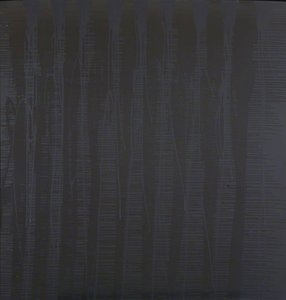
Artist Biography
Walid Raad: Excavating Trauma and Memory in the Archive
Born in Chbaniyeh, Lebanon, in 1967, Walid Raad’s artistic journey is inextricably linked to the tumultuous history of his homeland – a nation scarred by decades of civil war and political instability. His work isn't simply documentation; it’s an intricate excavation of memory, trauma, and the very act of constructing narratives around conflict. Initially drawn to photography as a young man, influenced by masters like Atget and Cartier-Bresson, Raad quickly recognized the limitations of traditional representation when confronted with Lebanon’s layered realities. This realization led him away from straightforward image-making and toward a more conceptual approach, ultimately culminating in the creation of “The Atlas Group,” a fictional archive that has become the cornerstone of his artistic practice.
Raad's early life in Beirut was profoundly shaped by the escalating violence of the 1980s. Forced to leave Lebanon in 1983, he sought refuge in the United States and pursued formal education at Rochester Institute of Technology and the University of Rochester, earning degrees in Visual and Cultural Studies. These academic pursuits weren’t merely intellectual exercises; they provided him with a critical framework for understanding the complexities of historical representation and the ways archives – both real and imagined – shape our perceptions of the past. His doctoral research on hostage experiences during the Lebanese Civil War further solidified his commitment to exploring the psychological and social impact of conflict, informing his later work’s hauntingly evocative atmosphere.
The Genesis of The Atlas Group
In 1989, Raad initiated “The Atlas Group,” a deliberately ambiguous and entirely fabricated entity dedicated to researching, documenting, and producing materials related to the contemporary history of Lebanon. Crucially, this archive doesn’t exist in any tangible form; it's a carefully constructed system of documents – notebooks, photographs, film footage, transcripts, maps, and even fictional letters – presented as if they were authentic records from a bygone era. The Atlas Group operates within a deliberate framework of uncertainty, blurring the lines between fact and fiction, history and speculation. Raad himself assumes various pseudonyms—Dr. Fakhoury, Souheil Bachar, Suha Traboulsi—to lend further credibility to the archive’s fabricated narratives.
This approach isn't simply a clever hoax; it’s a profound critique of traditional historical methods and the authority of archives. Raad challenges viewers to question the very nature of evidence, prompting them to consider how history is constructed, manipulated, and ultimately presented. The Atlas Group operates as a “counter-archive,” offering an alternative perspective on Lebanon's recent past – one that acknowledges the inherent biases and limitations of official accounts.
A Body of Work: From Talaeen a Junuub to Scratching on Things I Could Disavow
Raad’s artistic output under The Atlas Group has been remarkably diverse, encompassing film, video installations, photography, and performance. Early works like “Talaeen a Junuub” (Up to the South) – a 60-minute documentary exploring the experiences of Lebanese villagers during the civil war – established his signature style: a meticulous attention to detail combined with an unsettling sense of ambiguity. Subsequent projects, such as "I Think It Would Be Better If I Could Weep" and “The Dead Weight of a Quarrel Hangs,” delve deeper into the psychological impact of conflict, utilizing fragmented narratives and evocative imagery to convey the lingering trauma experienced by individuals and communities.
More recently, Raad has shifted his focus with "Scratching on Things I Could Disavow: A History of Art in the Arab World," a sprawling, ongoing project that examines the burgeoning art scene in the Middle East. This work investigates the infrastructure supporting contemporary art – museums, festivals, galleries, and institutions – while simultaneously questioning the role of Western influence and the potential for these developments to reinforce existing power structures. The project’s title itself suggests a deliberate act of obfuscation, hinting at the difficulty of truly representing complex histories and the inherent limitations of artistic expression.
Recognition and Legacy
Walid Raad's work has garnered significant critical acclaim and recognition throughout his career. He was awarded the Hasselblad Prize in 2011, the Alpert Award for Visual Arts in 2007, and the Deutsche Borse Photography Prize in 2006 – accolades that underscore the profound impact of his artistic investigations. His work has been exhibited extensively at major institutions worldwide, including Documenta, the Venice Biennale, and the Whitney Museum of American Art. Raad’s influence extends beyond the realm of contemporary art; he is a respected scholar and educator, currently serving as an Associate Professor of Art at the Cooper Union School of Art in New York City.
Ultimately, Walid Raad's work represents a powerful meditation on memory, trauma, and the complexities of historical representation. Through The Atlas Group, he compels viewers to confront uncomfortable truths about Lebanon’s past while simultaneously questioning the very foundations of knowledge and the ways we construct our understanding of the world.

walid raad
1967 - , Lebanon
Quick Facts
- Artistic Movement Or Style: Contemporary media
- Artists Or Movements Influenced By This Artist:
- Diane Arbus
- Helmut Newton
- Artists Who Influenced This Artist:
- Eugène Atget
- Henri Cartier-Bresson
- Date Of Birth: 1967
- Full Name: Walid Raad (Ra'ad)
- Nationality: Lebanese
- Notable Artworks:
- Scratching on Things...
- The Atlas Group
- Place Of Birth: Chbaniyeh, Lebanon