

 Send
Send Share
Share
 Details

 Download
 Similars
 Diaporama
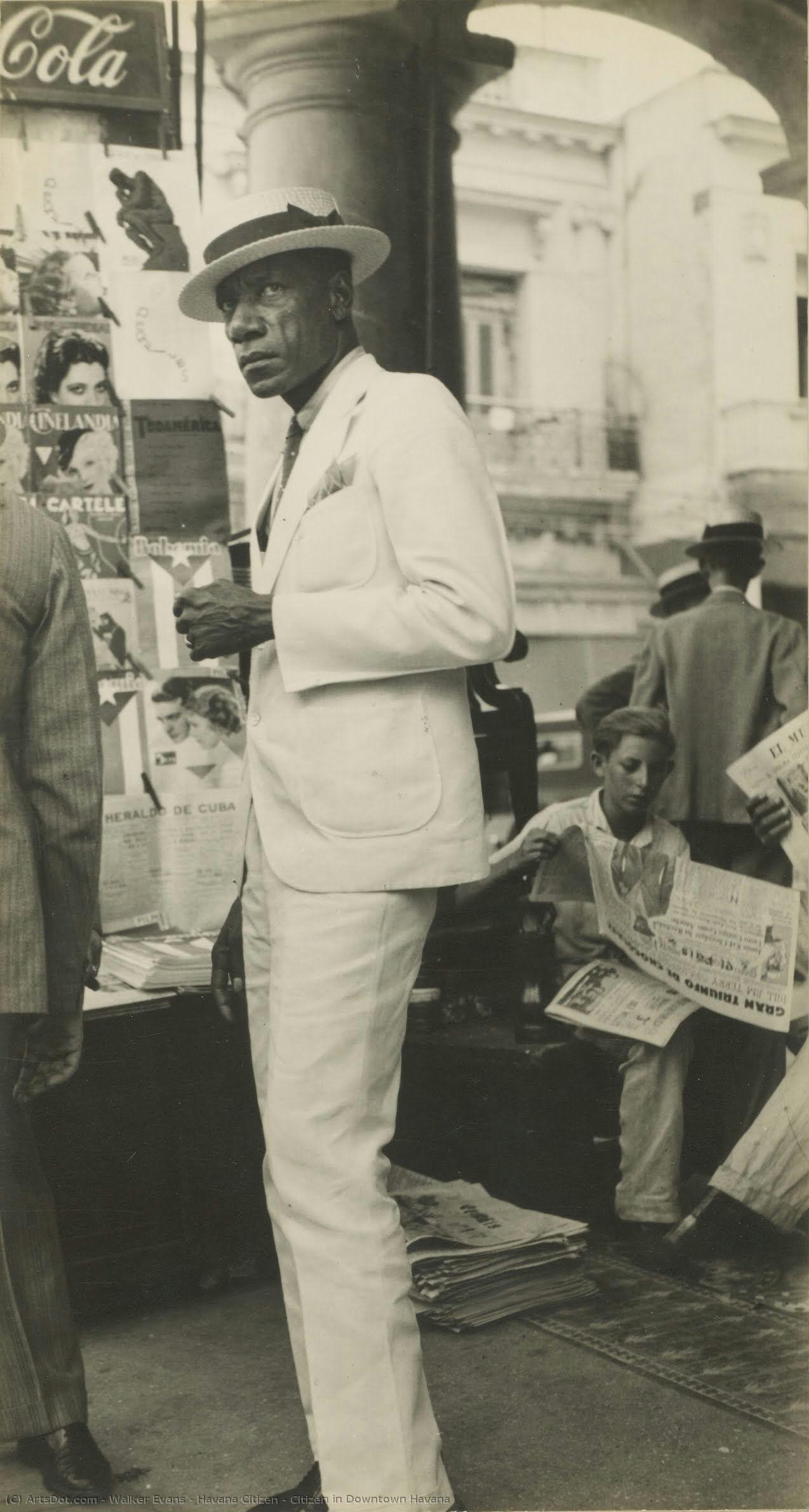
Havana Citizen / Citizen in Downtown Havana
 Gelatin Silver Print
- Photo
- Documentary Photography
 1933
1933- 19th Century
 22.0 x 11.0 cm
 J. Paul Getty Museum
 Read More
Purchase a high-resolution, enhanced digital image, far superior to the online preview.
Each file is meticulously prepared by our in-house specialists using advanced tools and expert manual retouching. We ensure every image has exceptional clarity, precise color accuracy, and fine detail.
The final file is delivered via email within 72 hours, optimized for immediate use in professional, editorial, and print environments. This is the same quality trusted by top-tier design studios, publishers, and galleries.
Digital Image
Download a high-resolution file for personal display, printing, and creative projects. ( Buy Print Buy Hand Made Painting)
Included in Every Digital Image Order
Expert Digital Delivery, Guaranteed
When you choose ArtsDot.com, you're not just getting an image - you're receiving a professionally enhanced digital artwork, crafted with precision and backed by a satisfaction guarantee. Here's everything that comes with your order, automatically:

Fast Email Delivery
Your high-resolution digital image file will be emailed to you within 72 hours of ordering - ready for immediate use.

AI-Enhanced Digital File
Your artwork is professionally optimized using advanced AI tools and manual editing, ensuring maximum detail, clarity, and color accuracy.

Free Lifetime Re-Delivery
Accidentally deleted or lost your file? No worries - we'll resend it to you anytime, free of charge.

No Import Fees - Ever
Enjoy your artwork instantly with zero customs, duties, or delivery fees - digital downloads are always tax-free.

Color Accuracy Guarantee
We ensure your digital image reflects the original colors as closely as possible using professional tools and color management.

60-Day Satisfaction Guarantee
If you're not satisfied with your digital image, we'll revise it or refund 100% within 60 days - no questions asked.

100% Money-Back Guarantee
Not satisfied? Get a full refund within 60 days of receiving your digital file - no questions asked.

Bulk Order Discounts
Buy 3 images, save 10% - Buy 5, save 15% - Buy 10+, save 20%. Great for creative projects, galleries, and agencies.
Collectible Description
A Snapshot of Havana’s Soul: Walker Evans' “Citizen in Downtown Havana”
Walker Evans’ “Citizen in Downtown Havana,” created in 1933, isn’t merely a photograph; it’s a distilled moment, a frozen tableau of urban life that speaks volumes about a city grappling with change and the quiet dignity of its inhabitants. Captured during a brief assignment for Carlton Beals' book *The Crime of Cuba*, this image transcends simple documentation, becoming a poignant meditation on identity, masculinity, and the subtle rhythms of daily existence in a rapidly transforming Havana. The photograph’s power lies not just in its technical execution – Evans’ masterful use of light and shadow, his keen eye for composition – but also in the palpable sense of atmosphere he conjures: a humid, sun-drenched street teeming with men, each seemingly lost in their own thoughts yet collectively forming the pulse of the city.
The scene unfolds on Obispo Street, Havana’s main thoroughfare, a space dominated by cavernous stores and shaded portals. Evans meticulously frames his subject – a man dressed in a crisp white linen suit, a straw hat tilted just so – amidst a sea of similar figures. These men, predominantly white, are the dominant presence, reflecting a city where, as Evans himself noted, “nearly all are men.” This isn’t a celebration of masculinity; rather, it subtly hints at the social dynamics and perhaps even the constraints placed upon the male population within Cuban society at that time. The inclusion of lottery tickets plastered across the walls of the shops adds a layer of everyday reality – a blend of commerce, chance, and the mundane routines that underpin daily life.
The FSA Photographer and the Politics of Representation
Understanding “Citizen in Downtown Havana” requires recognizing Walker Evans’ role as a key figure within the Farm Security Administration (FSA). Established during the Great Depression, the FSA employed photographers like Evans to document the plight of rural Americans and share their stories with the nation. While this photograph was taken in Cuba, it exemplifies Evans' broader approach: he wasn’t simply recording hardship; he sought to capture the essence of a place and its people – their resilience, their dignity, and their quiet beauty. Beals’ book, for which Evans photographed, aimed to expose American capitalist influence on Cuba, but Evans’ images offered a more nuanced perspective, focusing on the everyday lives of Cubans rather than solely highlighting political critiques.
The decision to omit this photograph from Beals' final publication is itself significant. It suggests that Evans recognized the image’s inherent value – its ability to transcend political agendas and speak directly to the viewer about the human experience. It became one of his favorite images, a testament to his belief in the power of photography to reveal truths beyond words.
A Study in Light, Texture, and Symbolism
Technically, “Citizen in Downtown Havana” is a remarkable example of Evans’ signature style: stark, unadorned black and white. The composition is carefully balanced, drawing the eye towards the central figure while simultaneously immersing the viewer in the bustling street scene. The use of light is particularly masterful – it casts dramatic shadows that accentuate the textures of the linen suits, the worn brick walls, and the colorful advertisements. These details contribute to a sense of depth and immediacy, as if we are standing right there on Obispo Street.
Beyond its technical merits, the photograph is rich in symbolism. The white suit, often associated with formality and respectability, contrasts sharply with the casual postures of the men around him. The tilted straw hat – a symbol of Cuban identity and tradition – adds another layer of visual interest. Even the simple act of idling in the open-air cafes suggests a certain languor, a sense of time slowing down amidst the city’s relentless activity.
A Legacy of Observation and Human Connection
“Citizen in Downtown Havana” remains a powerful testament to Walker Evans' extraordinary talent as a photographer and observer. It’s an image that invites contemplation – prompting us to consider not only the specific context of 1930s Havana but also universal themes of identity, community, and the quiet beauty of everyday life. Reproduced faithfully on high-quality canvas or paper by ArtsDot.com, this photograph offers a unique window into a bygone era, allowing viewers to connect with the spirit of a city and its people in a profoundly meaningful way. It’s more than just an image; it's a portal to another time and place.
Related Artworks

Artist Biography
A Witness to America: The Life and Legacy of Walker Evans
Walker Evans, born in St. Louis in 1903, emerged as a pivotal figure in American photography, his name inextricably linked with the visual record of the Great Depression. Yet to define him solely by this period would be to diminish the breadth of his artistic vision and enduring influence. His journey was one of constant exploration, evolving from literary aspirations to a uniquely observant photographic style that captured not just *what* America was, but *how* it felt – its quiet dignity, its stark realities, and its often-overlooked beauty. Evans’s upbringing, marked by frequent moves between cities like Toledo, Chicago, and New York, instilled in him an early awareness of the diverse facets of American life. Though educated at prestigious institutions like Phillips Academy Andover and briefly at Williams College, his true education unfolded through self-directed study and immersion in the cultural currents of the time. A year spent in Paris in 1926 exposed him to European artistic trends, but it was upon his return to New York that he discovered his calling, initially as a writer before turning decisively towards photography around 1928.Forging a Documentary Vision
The early influences on Evans’s photographic approach were profound. He admired the meticulous documentation of Eugène Atget, whose images of Parisian streets felt both timeless and immediate, and August Sander, whose portraits aimed for an objective cataloging of German society. Equally important were literary figures like T.S. Eliot, D.H. Lawrence, James Joyce, and e.e. cummings – writers who valued precision of language and a keen observation of the human condition. These influences coalesced in Evans’s developing aesthetic: a commitment to clarity, directness, and an avoidance of sentimentality. This approach found its most powerful expression during his tenure with the Farm Security Administration (FSA) beginning in 1935. Tasked with documenting the effects of the Depression on rural communities in the Southern United States, Evans traveled extensively, capturing images that became iconic representations of hardship and resilience. His collaboration with writer James Agee on *Let Us Now Praise Famous Men* (1941), a groundbreaking work combining stark photographs with lyrical prose depicting three tenant farming families in Alabama, remains a cornerstone of documentary literature and photography. Though initially rejected by *Fortune* magazine for its length and unconventional style, the project stands as a testament to their shared commitment to portraying the lives of ordinary people with honesty and empathy. Evans’s use of an 8x10 view camera contributed significantly to his distinctive style; the large format yielded images of exceptional detail and formal clarity, lending a sense of timelessness to his subjects.Beyond the FSA: Portraits and Shifting Perspectives
Following his work with the FSA, Evans’s artistic trajectory continued to evolve. The landmark exhibition “Walker Evans: American Photographs” at the Museum of Modern Art in 1938 solidified his reputation as a major force in photography, marking the first solo show dedicated to a photographer at the museum. However, he resisted being pigeonholed as simply a documentary photographer. He increasingly turned his attention towards portraits and street photography, capturing candid moments of urban life in New York City with an understated elegance. These later works reveal a subtle shift in focus – less concerned with social commentary and more interested in exploring the aesthetic qualities of everyday scenes. In the 1960s, Evans embraced color photography, producing vibrant images of interiors, architecture, and commonplace objects. This experimentation demonstrated a willingness to challenge conventional notions of photographic representation and explore new avenues for artistic expression. The playful and decorative quality of these later works often surprises those familiar only with his black-and-white FSA photographs, revealing a previously unseen facet of his creative personality.A Lasting Impact on Photographic History
Walker Evans’s legacy extends far beyond the iconic images he created during the Great Depression. He is widely considered one of the most important figures in the history of documentary photography, having established a new standard for realism and objectivity in photographic representation. His work profoundly influenced generations of photographers, inspiring them to look at the world with fresh eyes and to find beauty and meaning in the ordinary. His impact on social realism is undeniable, as his FSA photographs became powerful symbols of hardship and resilience during a pivotal moment in American history. But perhaps his greatest contribution lies in demonstrating how photography could serve not only as a tool for social commentary but also as a medium for aesthetic exploration. He proved that even the most seemingly mundane subjects could be transformed into works of art through careful observation, precise composition, and a commitment to visual truth. Evans’s work continues to resonate today, reminding us of the power of photography to document our world, challenge our perceptions, and connect us to the shared human experience.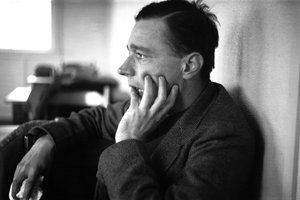
Walker Evans
1903 - 1975 , United States of America
Quick Facts
- Artistic Movement Or Style: Documentary photography
- Artists Or Movements Influenced By This Artist:
- Sherrie Levine
- Social realism
- Artists Who Influenced This Artist:
- Eugène Atget
- August Sander
- Date Of Birth: 1903
- Date Of Death: 1975
- Full Name: Walker Evans
- Nationality: American
- Notable Artworks:
- Let Us Now Praise Famous Men
- Silverware
- Barn with Porch Addition
- Place Of Birth: St. Louis, USA

