 Preview
 Send
Send Share
Share
 Details

 Download
 Similars
 X-Ray
X-Ray Diaporama
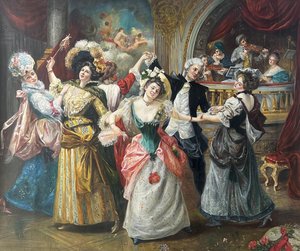
Der Schöne an der Soirée - Eduardo León Garrido
 Acrylic
- WallArt
- Rococo
 2026
2026- Studio Hand Painted Art Available Now
 127 x 151 cm
 Read More
Stock Discount Oil Painting Available
In-stock hand-painted oil work ready to ship; add framing when you check out. ()






































 Glass option is only available in size under 110 CM

Der Schöne an der Soirée - Eduardo León Garrido
Stock Discount Oil Painting Available
Reproduction Size
-


Express Shipping
Express Worldwide Shipping. One week. (27 July).
Included
Total Price
$ 428
Artwork Description
A Glimpse into Aristocratic Elegance: Exploring Rococo’s Legacy
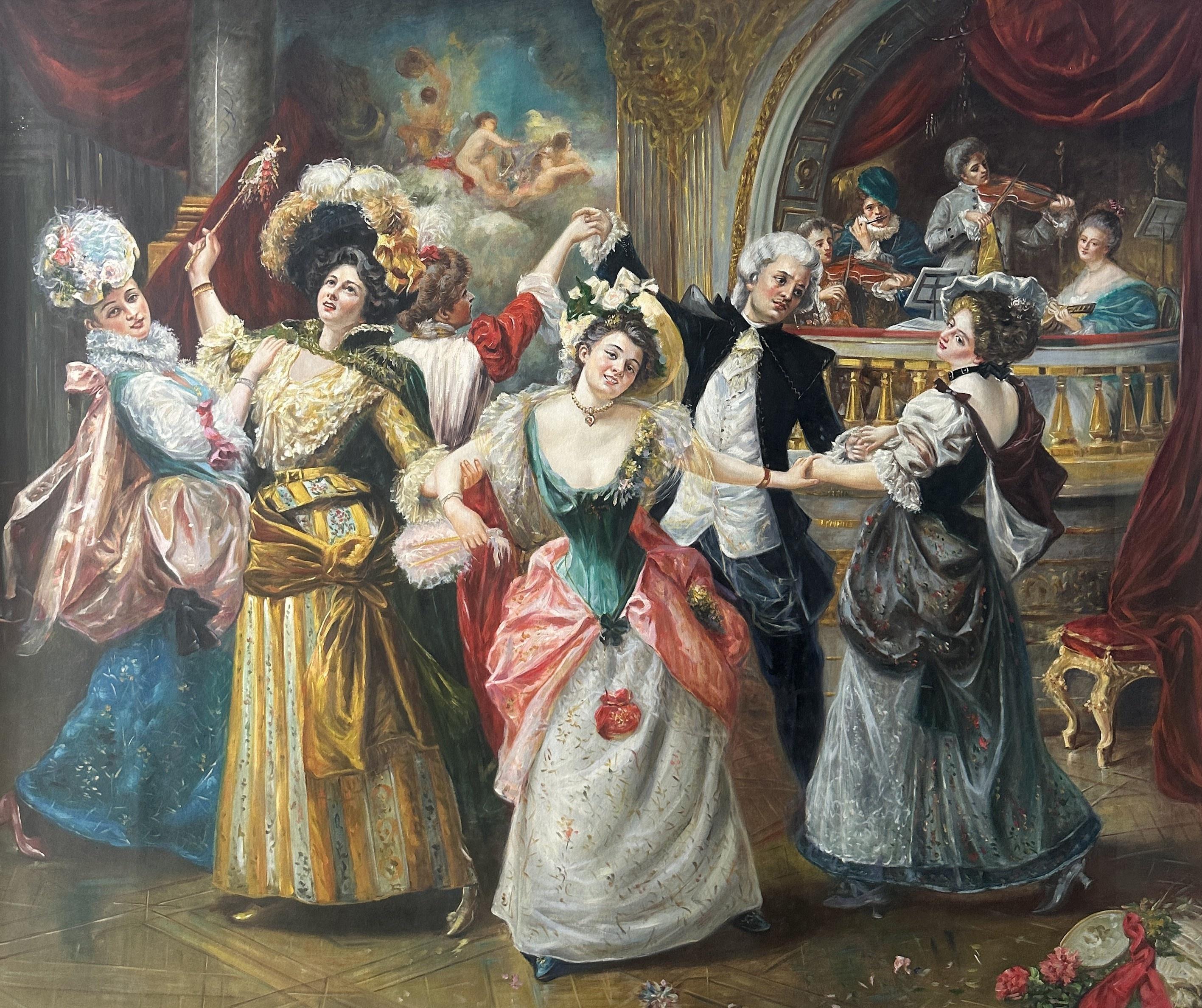
Eduardo León Garrido's "Der Schöne an der Soirée" transports us back to the opulent salons of 19th-century Spain and Mexico, firmly rooted in the Romantic era. This stunning acrylic painting on canvas embodies the quintessential characteristics of Rococo art—a celebration of beauty, grace, and refined leisure. Garrido skillfully captures the spirit of this artistic movement through loose brushstrokes and a masterful use of pastel hues, mirroring the shimmering fabrics and delicate floral decorations favored by aristocratic society during its heyday. The artwork depicts a ballroom scene brimming with life: elegantly dressed figures – women adorned with elaborate feathered hats and shimmering gowns—interact amidst musicians playing instruments on a balcony above. Garrido’s composition prioritizes balance, drawing the viewer's gaze towards the central interaction between two individuals while subtly incorporating visual cues that enrich the narrative. The artist’s palette leans heavily into creamy whites, blush pinks, golds, and blues, reflecting the aesthetic sensibilities of the period and enhancing the overall sense of ethereal beauty.Beyond its captivating subject matter, "Der Schöne an der Soirée" showcases Garrido's technical prowess. The textured surface of the canvas lends depth to the scene, capturing the subtle nuances of light and shadow—a hallmark of Rococo’s meticulous attention to detail.
Collectors appreciate pieces like this for their ability to evoke a bygone era and offer an intimate glimpse into aristocratic culture. Garrido's masterful execution ensures that this artwork retains its timeless appeal, serving as a testament to the enduring power of Romantic art.
Available Now – Elevate Your Collection
Don’t miss out on owning a piece of history! Contact ArtsDot.com today for framing options and personalized consultations. Let us bring “Der Schöne an der Soirée” into your home and ignite conversations about artistic beauty!Related Artworks
Artist Biography
Eduardo León Garrido: A Master of Mexican Landscape and Portraiture
Born in Madrid in 1856, Eduardo León Garrido’s artistic journey was shaped by a complex interplay of familial legacy and personal ambition. The son of Fernando Garrido Tortosa, a politically active figure and amateur painter, León inherited both an appreciation for art and a desire to forge his own path within it. His early training at the Escuela Superior de Bellas Artes in Madrid laid a foundational understanding of academic techniques, but it was his time studying under Vicente Palmaroli that truly ignited his artistic vision – a vision deeply rooted in the burgeoning landscape traditions of Spain while simultaneously embracing the stylistic nuances of Impressionism.
León’s initial foray into the Parisian art scene proved pivotal. He arrived in 1875, seeking to refine his skills and gain exposure within a vibrant artistic community. This period wasn't without its challenges; initially denied a scholarship due to bureaucratic hurdles, he persevered through sheer determination, eventually securing funding that allowed him to continue his studies. It was during this time that he began to establish himself as a portraitist and landscape painter, quickly attracting the attention of prominent dealers like Adolphe Goupil, a connection that would prove invaluable throughout his career.
The Influence of Impressionism and the Belle Époque
León’s artistic style evolved significantly during his time in Paris. While firmly rooted in academic principles, he absorbed many elements from the Impressionist movement – particularly the emphasis on capturing fleeting moments of light and color, a departure from the more rigid conventions of earlier training. This influence is readily apparent in his depictions of Parisian street scenes, café terraces, and bustling marketplaces—images that offer a glimpse into the vibrant life of the Belle Époque. His paintings weren’t merely representations; they were imbued with a sense of immediacy and observation, reflecting the dynamism of modern urban existence.
However, León never fully abandoned his classical training. He remained deeply committed to portraying figures within meticulously rendered interiors, often evoking the atmosphere of 18th-century aristocratic salons. This juxtaposition of influences – Impressionistic brushwork combined with a nostalgic reverence for the past – is what defines his unique artistic signature. He skillfully blended these elements, creating works that are both contemporary and timeless.
A Return to Spain and the Pursuit of Patronage
Returning to Spain in 1888, León established a studio in La Varenne-Saint-Hilaire, near Paris, where he married Leonie Beck and began raising his family. He continued to exhibit his work at the Salon des Artistes Français and sought patronage from influential collectors and institutions. This period saw a shift towards painting more intimate scenes – portraits of his family, still lifes featuring flowers—works that offered a personal reflection on his life and surroundings.
Despite achieving recognition within Spain, León’s career was marked by a persistent struggle for financial stability. He relied heavily on commissions from wealthy patrons and the support of dealers like Félix Gérard, who provided him with a steady stream of work. His later years were characterized by a dedication to painting flower bouquets, a testament to his enduring love of nature and his meticulous attention to detail.
Legacy and Recognition
Eduardo León Garrido died in Caen, France, in 1949, leaving behind a substantial body of work that continues to be celebrated for its elegance, technical skill, and evocative atmosphere. His paintings are held in prestigious collections around the world, including the Museo del Prado in Madrid, the Museo Carmen Thyssen in Málaga, and private collections such as the Bellver Collection in Seville. His legacy extends beyond his individual works; he represents a crucial link between academic tradition and modern artistic sensibilities, embodying the spirit of a generation that sought to capture the beauty and complexity of the world around them.
Furthermore, León’s story is intertwined with that of other notable figures in the art world. His connection to Louis-Édouard Garrido, his father, and the influence of Vincent van Gogh through their shared employer, Adolphe Goupil & Cie, adds layers of intrigue to his artistic biography. His life serves as a reminder of the interconnectedness of artists and the enduring power of artistic legacy.
eduardo león garrido
1856 - 1949
Quick Facts
- Artistic Movement Or Style: Academic Classicism
- Artists Or Movements Influenced By This Artist: ['Impressionism']
- Artists Who Influenced This Artist: ['Vicente Palmaroli']
- Date Of Birth: 1856-02-20
- Date Of Death: 1949-07-13
- Full Name: Eduardo León Garrido
- Nationality: Spanish
- Notable Artworks:
- The Palace Ball
- Saint Jerome
- Port of St.Vaast
- Place Of Birth: Madrid, Spain
Related Articles

Rococo's Radiant Legacy: 10 Masterpieces for Your Home |
Indulge in the elegance of Rococo! Explore 10 masterpieces by Fragonard, Boucher & Watteau. Discover the stories behind these iconic paintings and bring timeless art to your home with museum-quality reproductions from .
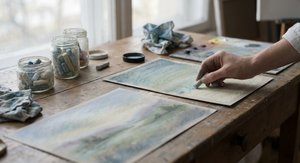
The Subdued Radiance of Pastel: Exploring Nuance & Emotion in Art
Explore the nuanced world of pastel art! Discover its history, techniques & emotional power with expert insights from ArtsDot.com. Find museum-quality reproductions and learn about collecting this delicate medium.
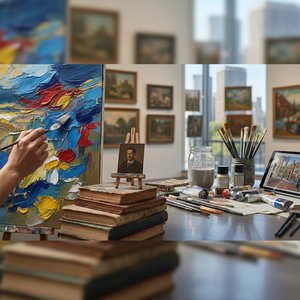
Acrylic Painting: A Comprehensive Exploration of Technique, History & Contemporary Applications
Explore the world of acrylic painting! Discover its rich history, essential techniques, contemporary applications & renowned artists. Expert guide for beginners to professionals.

The Rococo Aesthetic: Opulence, Rebellion & the Pursuit of Pleasure in 18th-Century Art
Explore the opulent world of Rococo art! Discover its origins, key artists like Watteau & Boucher, and lasting influence on design. Expert insights for collectors & enthusiasts.
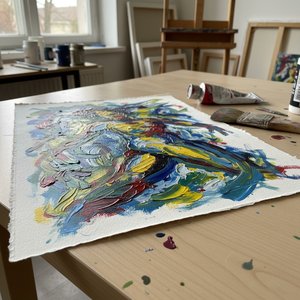
Acrylic on Paper: A Modern Canvas for Contemporary Expression
Explore the versatility of acrylic painting on paper! Discover expert techniques, artist insights & archival practices for creating stunning contemporary art. Learn more at ArtsDot.