 Preview
 Send
Send Share
Share
 Details

 Download
 Similars
 X-Ray
X-Ray Diaporama
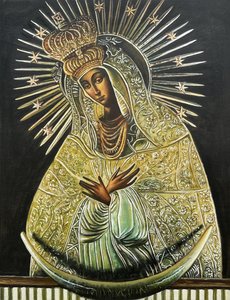
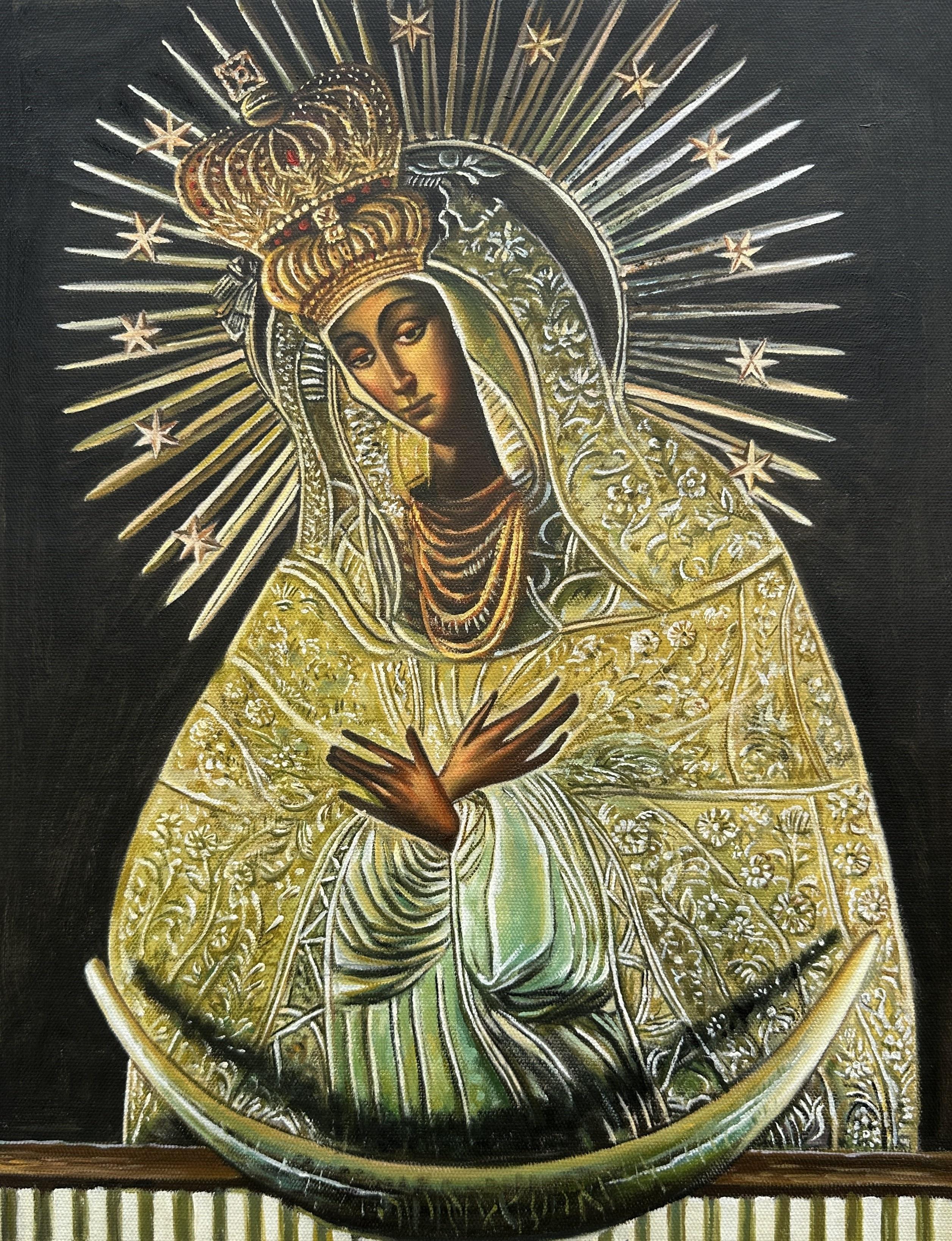
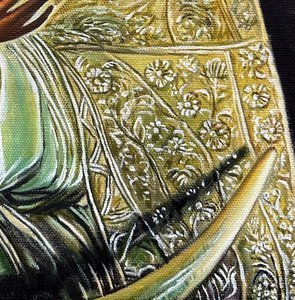
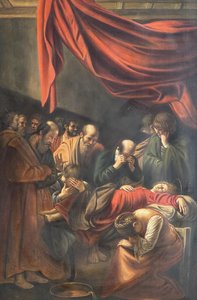
Our Lady of the Gate of Dawn - unknown artist


 Read More
Stock Discount Oil Painting Available
In-stock hand-painted oil work ready to ship; add framing when you check out. ()






































 Glass option is only available in size under 110 CM

Our Lady of the Gate of Dawn - unknown artist
Stock Discount Oil Painting Available
Reproduction Size
-


Express Shipping
Express Worldwide Shipping. One week. (12 August).
Included
Total Price
$ 112
Related Artworks
Artist Biography
The Enigmatic Legacy of ‘Unbekannter Künstler, Mittel- bis Spätseverisch’
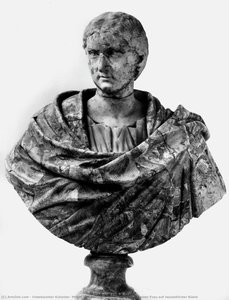
The identity of ‘Unbekannter Künstler, Mittel- bis Spätseverisch,’ a German artist active during the 18th and early 19th centuries, remains one of art history's most intriguing mysteries. Despite producing remarkably sophisticated works, particularly portrait busts that achieved significant recognition within Prussian circles, the artist’s true name and biographical details have stubbornly resisted discovery. What we *do* know is a captivating story of an anonymous talent who skillfully navigated the artistic landscape of his time, leaving behind a legacy primarily through his exceptional craftsmanship and the enduring fame of one particular piece: a portrait bust of a woman now residing in the picture gallery of Berlin.
The artist’s work centers largely around portraiture, specifically the creation of elaborate ‘prachtbüste’ – magnificent stone-inlaid busts – that were highly fashionable during the 19th century. These weren't merely static representations; they were designed to be integrated into larger decorative schemes, often adorning grand interiors and serving as symbols of wealth and status. The bust acquired by King Friedrich Wilhelm IV of Prussia in 1854 exemplifies this approach. This particular piece, depicting a woman, was subsequently enhanced with colorful stone inlays, transforming it from a simple portrait into a lavish work of art. The meticulous detail evident in the carving and the sophisticated use of materials speak to an artist possessing considerable technical skill and artistic vision – qualities that belie his anonymity.
A Portrait of a Patron: Herzog Karl der Kühne von Burgund
Beyond the celebrated Prussian bust, evidence suggests ‘Unbekannter Künstler’ also produced other significant works. Records indicate he created a portrait of Herzog Karl der Kühne von Burgund (Charles the Bold of Burgundy), a powerful Duke known for his military prowess and ambition. While no surviving examples of this portrait are currently available, its existence highlights the artist's versatility and ability to capture the character and bearing of prominent figures. The Burgundian commission suggests a connection to a wider artistic network and potentially a period of increased patronage during the early 19th century.
Interestingly, the artist’s style appears to have evolved over time. Early works, such as the portrait of Herzog Karl, demonstrate a more classical approach, reminiscent of Baroque influences. However, the bust acquired by the Prussian King showcases a greater emphasis on detail and ornamentation, aligning with the prevailing trends of the Romantic era – a period characterized by an appreciation for emotional expression and elaborate decoration. This stylistic progression suggests a willingness to adapt and innovate within the constraints of his anonymity.
Technique and Materials: A Master of Stone and Color
The artist’s skill lay not only in his ability to sculpt but also in his mastery of materials. The ‘prachtbüste’ were renowned for their intricate stone inlays, often incorporating semi-precious stones like jasper, agate, and malachite. These inlays weren't merely decorative; they served to enhance the visual impact of the bust, adding depth, color, and a sense of luxury. The use of these materials required considerable technical expertise – precise cutting, polishing, and setting were essential to achieving the desired effect.
Furthermore, the artist’s choice of stone was carefully considered. The vibrant hues of agate and malachite provided striking contrasts against the darker tones of the marble or limestone base, creating a visually arresting composition. The integration of these elements demonstrates a sophisticated understanding of color theory and an ability to create works that were both aesthetically pleasing and emotionally evocative. It’s believed he was influenced by the Italian Renaissance masters, particularly in his use of light and shadow.
A Lasting Impression: The Berlin Legacy
Despite remaining nameless, ‘Unbekannter Künstler, Mittel- bis Spätseverisch’ has left an undeniable mark on Prussian art history. The portrait bust acquired by King Friedrich Wilhelm IV remains a prized possession of the Berlin picture gallery, serving as a testament to the artist's skill and artistry. The piece is frequently studied for its technical brilliance and its representation of 19th-century aristocratic taste.
The enduring fascination with this anonymous artist underscores the complexities of art history—the ways in which talent can flourish without recognition, and how a single work of art can transcend the limitations of its creator’s identity. While his name may remain unknown, ‘Unbekannter Künstler’ continues to intrigue and inspire, reminding us that artistic legacy is not solely defined by fame or recognition, but by the quality and impact of one's creations.
Quick Facts
- Artistic Movement Or Style: Spätseverisch Art
- Full Name: Unbekannter Künstler, Mittel- bis Spätseverisch
- Nationality: German
- Notable Artworks:
- Bildnisbuste einer Frau
- Portrait Herzog Karl der Kühne
- Place Of Birth: Germany
Related Articles
10 Iconic Masterpieces That Redefine the Virgin Mary
Journey through history with 10 iconic Madonna paintings. From Renaissance masters to sacred oil masterpieces, explore the stories behind these timeless religious artworks. Find museum-quality reproductions and decor inspiration. Discover all masterpieces on ArtsDot.com.
Divine Visions: Top 10 Masterpieces Exploring Religious Themes
Journey through history with 10 iconic religious masterpieces. From Renaissance classics to Baroque drama, explore the stories behind these sacred works. Find museum-quality art reproductions and curated decor inspiration. Discover all masterpieces on ArtsDot.com.
Divine Beauty: A Connoisseur's Guide to Selecting Captivating Religious Art for Your Home
Discover how to select breathtaking religious art for your home. Our expert guide explores sacred themes, from Renaissance grace to Baroque drama, helping you find hand-painted masterpieces that inspire devotion and elevate your interior design with timeless beauty.
Acrylic on Paper: A Modern Canvas for Contemporary Expression
Explore the versatility of acrylic painting on paper! Discover expert techniques, artist insights & archival practices for creating stunning contemporary art. Learn more at ArtsDot.
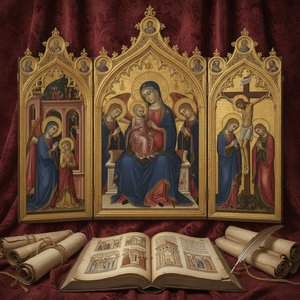
Mastering the Divine: The Top 25 Artworks by Duccio di Buoninsegna
Journey through the divine elegance of Duccio di Buoninsegna. Explore 25 iconic masterpieces of the Sienese School, from gold-leafed icons to humanized sacred narratives. Find museum-quality art reproductions and decor inspiration. Discover all masterpieces on ArtsDot.com.