

 Preview
 Send
Send Share
Share
 Details

 Download
 Similars
 X-Ray
X-Ray Diaporama
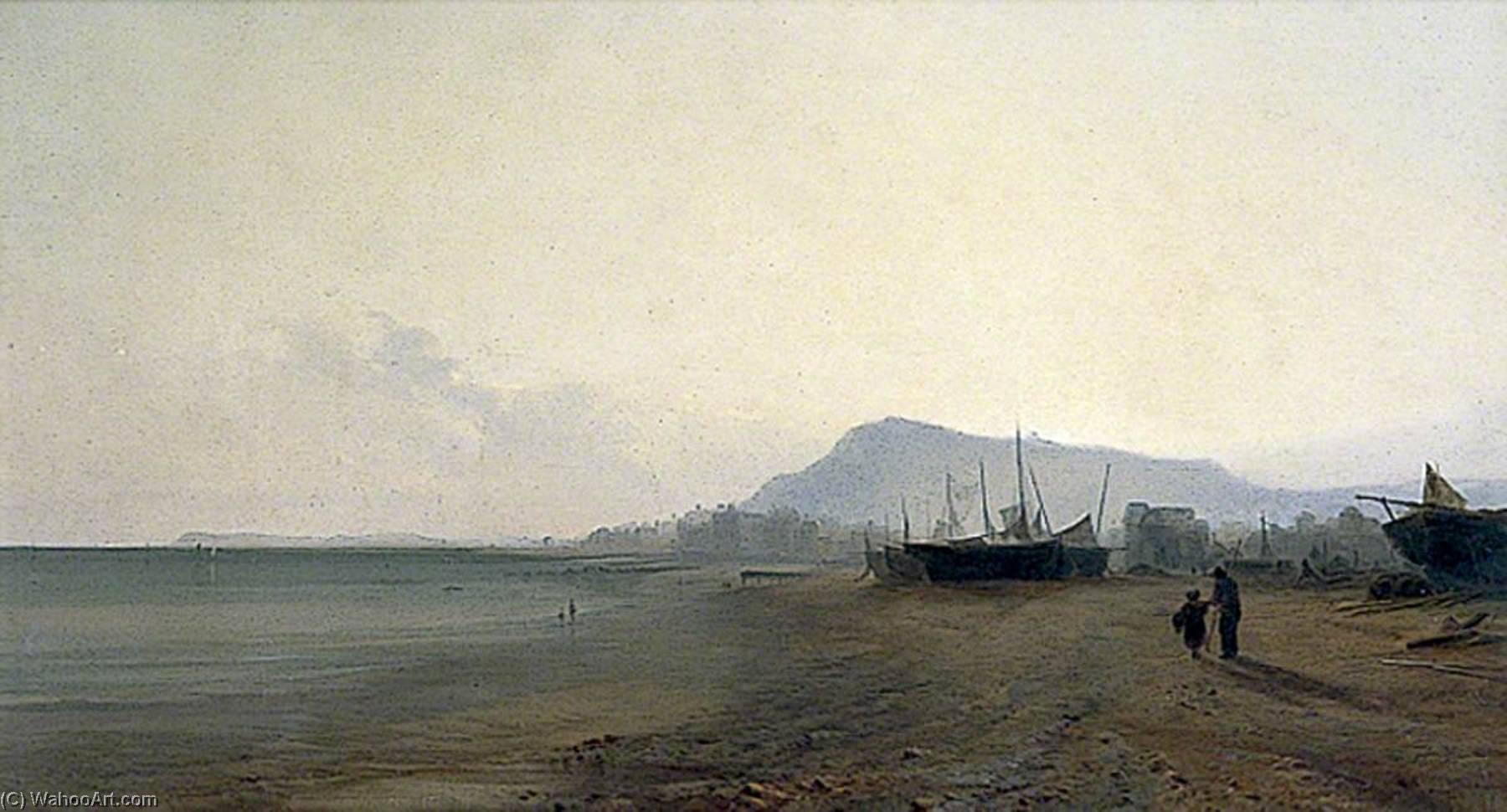
Hastings Beach, East Sussex
 1856
1856 37.0 x 64.0 cm
 Read More
Purchase a high-resolution, enhanced digital image, far superior to the online preview.
Each file is meticulously prepared by our in-house specialists using advanced tools and expert manual retouching. We ensure every image has exceptional clarity, precise color accuracy, and fine detail.
The final file is delivered via email within 72 hours, optimized for immediate use in professional, editorial, and print environments. This is the same quality trusted by top-tier design studios, publishers, and galleries.
Digital Image
Download a high-resolution file for personal display, printing, and creative projects. ( Buy Print Buy Hand Made Painting)
Included in Every Digital Image Order
Expert Digital Delivery, Guaranteed
When you choose ArtsDot.com, you're not just getting an image - you're receiving a professionally enhanced digital artwork, crafted with precision and backed by a satisfaction guarantee. Here's everything that comes with your order, automatically:

Fast Email Delivery
Your high-resolution digital image file will be emailed to you within 72 hours of ordering - ready for immediate use.

AI-Enhanced Digital File
Your artwork is professionally optimized using advanced AI tools and manual editing, ensuring maximum detail, clarity, and color accuracy.

Free Lifetime Re-Delivery
Accidentally deleted or lost your file? No worries - we'll resend it to you anytime, free of charge.

No Import Fees - Ever
Enjoy your artwork instantly with zero customs, duties, or delivery fees - digital downloads are always tax-free.

Color Accuracy Guarantee
We ensure your digital image reflects the original colors as closely as possible using professional tools and color management.

60-Day Satisfaction Guarantee
If you're not satisfied with your digital image, we'll revise it or refund 100% within 60 days - no questions asked.

100% Money-Back Guarantee
Not satisfied? Get a full refund within 60 days of receiving your digital file - no questions asked.

Bulk Order Discounts
Buy 3 images, save 10% - Buy 5, save 15% - Buy 10+, save 20%. Great for creative projects, galleries, and agencies.
Related Artworks









Artist Biography
Walter Heath Williams: A Visionary of Devon’s Golden Light
Walter Heath Williams, a name often intertwined with confusion and overshadowed by his contemporary namesake, remains a compelling figure in 19th-century British landscape painting. Born around 1835 in London – the exact date shrouded in the mists of mistaken identity – he carved out a distinctive artistic path largely within the southwest of England, specifically the verdant landscapes of Devon and Somerset. His life was marked by a persistent struggle for recognition, compounded by the unfortunate similarity of his signature to that of Walter Williams (1834-1906), a more widely known member of the prominent Williams family of artists. Despite this challenge, Williams produced a substantial body of work characterized by an intensely personal and evocative style—a celebration of light, color, and the rhythms of rural life.Early Life and Artistic Beginnings
The origins of Walter Heath Williams’ artistic journey are somewhat elusive, obscured by the aforementioned confusion with his namesake. While little is definitively known about his early years, it's believed he spent his formative years in Bath, Somerset, and later in Topsham and Torquay – locations that profoundly shaped his visual vocabulary. These Devon settings provided a constant source of inspiration: rolling hills, meandering rivers, and the iconic fields of haystacks and corn stooks became recurring motifs in his paintings. Unlike many artists of his era who sought grand, dramatic vistas, Williams focused on capturing the subtle nuances of light and atmosphere within these familiar landscapes. He began exhibiting his work as early as 1841, a testament to his early talent and determination. His initial exhibitions at venues like the Royal Academy, the British Institution, and the Society of British Artists showcased a developing style—a nascent exploration of color and texture that would gradually coalesce into his signature aesthetic.A Distinctive Style: Stippling, Color, and Light
Williams’ artistic approach was immediately recognizable. He possessed a remarkable ability to render light with astonishing accuracy, often employing a technique known as stippling—a method of creating tonal variations through the careful placement of small dots. This meticulous process allowed him to build up layers of color and texture, imbuing his paintings with an almost tactile quality. His palette was typically dominated by yellows and soft browns, reflecting the warm light of the midday sun that frequently illuminated his subjects. These colors were skillfully blended to create a sense of depth and atmosphere—a feeling of being immersed in the heart of the Devon countryside. Unlike many landscape artists who favored darker, more somber tones, Williams’ paintings are generally imbued with an optimistic, almost joyful quality. His compositions often feature rows of neatly arranged haystacks or corn stooks, bathed in golden light, creating a scene of idyllic rural beauty.Themes and Influences
Williams' work is deeply rooted in the traditions of pastoral painting—a genre that celebrates the simple pleasures of country life. His paintings are not merely depictions of landscapes; they are meditations on the relationship between humanity and nature. The recurring motif of the haystack, for instance, symbolizes abundance, fertility, and the cyclical rhythms of the agricultural year. While his style is undeniably rooted in the conventions of 19th-century landscape painting, Williams also demonstrated a keen eye for detail and an ability to capture the fleeting effects of light and weather. His paintings of rivers and coastal scenes—particularly those from Devon and Cornwall—reveal a deep appreciation for the beauty of the natural world. It’s speculated that his exposure to the works of earlier artists, such as Constable and Turner, may have influenced his approach to color and composition, though he ultimately developed a distinctly individual style.Legacy and Recognition
Despite facing challenges due to the confusion with his namesake, Walter Heath Williams produced over 129 paintings during his lifetime, exhibited at prominent venues across Britain. His work is now held in various collections, including the Harris Museum & Art Gallery in Preston, testament to its enduring appeal. While overshadowed for many years by the more famous Walter Williams, recent scholarship has begun to shed light on the unique contributions of this often-overlooked artist. His paintings offer a valuable glimpse into the artistic landscape of 19th-century England—a celebration of light, color, and the beauty of the Devon countryside. The persistent confusion surrounding his identity serves as a poignant reminder of the complexities of art history and the challenges faced by artists seeking recognition in a competitive field. His legacy continues to be explored and appreciated by those who delve into the rich artistic heritage of southwest England.
walter heath williams
1836 - 1906
Quick Facts
- Artistic Movement Or Style: Victorian Landscape
- Artists Or Movements Influenced By This Artist: ['Walter Williams (painter)']
- Artists Who Influenced This Artist: ['George Augustus Williams']
- Date Of Death: 1906
- Full Name: Walter Heath Williams
- Nationality: British
- Notable Artworks:
- The Pass of Llanberis
- Haymaking
- Place Of Birth: Bath, Somerset, England

