 Preview
 Send
Send Share
Share
 Details

 Download
 Similars
 X-Ray
X-Ray Diaporama
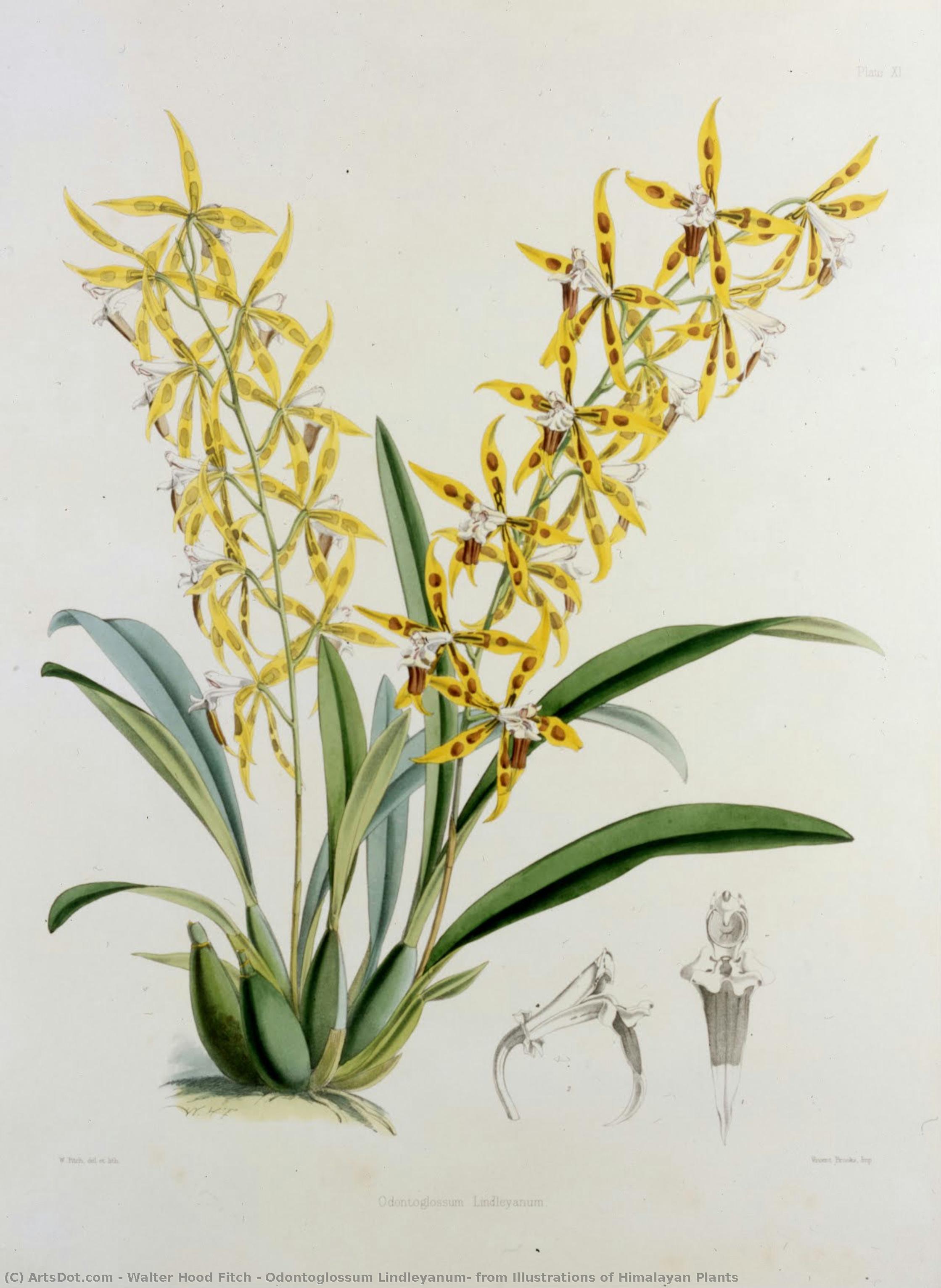
Odontoglossum Lindleyanum, from Illustrations of Himalayan Plants

 Read More
Giclée / Art Print
Museum-quality giclée or canvas print with fast production and flexible finish options. ( Buy Hand Made Painting Buy Image)




































Pick from our preset sizes that match the artwork's original proportions.

You may enter your own dimensions to fit a specific frame or space. If your selected size does not match the original image's proportions, we will either crop the artwork or extend the image with a mirrored or solid-fill edge. A digital mockup will be sent for your approval before production begins.
Please note that the on-screen preview does not reflect the actual cropping or extension. Only the mockup will accurately show the final composition.
While custom sizes are available, we recommend selecting a dimension from the predefined list to preserve the original proportions.
Worldwide Delivery () in 2 weeks instead of standard 4/5 weeks. (5 September)

Free Worldwide Express Shipping

High-Quality Linen Canvas

Full Shipping Insurance

Customs Tax Refund Guarantee

True Color Matching Guarantee

60-Day Return Policy (Defects Only)

100% Money-Back Guarantee

Bulk Discount Offer
 Glass option is only available in size under 110 CM

Odontoglossum Lindleyanum, from Illustrations of Himalayan Plants
Giclée / Art Print
Reproduction Size
-


Total Price
$ 63
Related Artworks









Artist Biography
Walter Hood Fitch: A Pioneer of Botanical Illustration
Walter Hood Fitch (1817-1892) stands as a towering figure in the history of botanical illustration, a Scottish artist whose dedication and meticulous skill transformed the way plants were depicted for scientific study and public appreciation. Born in Glasgow, his early life was marked by involvement in fabric printing – an experience that instilled a keen eye for detail and color—a foundation he would later apply with extraordinary precision to the world of botany. Fitch’s career blossomed after a pivotal encounter with William Jackson Hooker, Regius Professor of Botany at Edinburgh, a respected illustrator himself, who recognized Fitch's burgeoning talent and invited him to contribute to *Curtis’s Botanical Magazine*. This marked the beginning of an extraordinarily prolific partnership that would define his legacy.Early Career and Curtis’s Magazine
Fitch quickly established himself as a vital component of *Curtis’s*, producing up to 200 plates annually, often with two hundred illustrations per year. His initial work focused on familiar European flora, but it was his ventures into the exotic—particularly the Himalayan region—that truly cemented his reputation. Hooker's expeditions to these remote lands provided Fitch with a wealth of material, and he meticulously documented each plant through countless drawings. The sheer volume of his output – an estimated 10,000 individual illustrations – is a testament to his tireless dedication and remarkable productivity. Crucially, Fitch’s work wasn’t merely observational; it was imbued with a deep understanding of botanical form and color, achieved through painstaking observation and skillful rendering. He quickly became the sole artist for *Curtis's*, a position he held for decades, demonstrating an unparalleled level of expertise and consistency.The Art of Chromolithography
Fitch’s mastery lay not just in his drawing ability but also in his innovative use of colour lithography. He skillfully employed this technique to capture the subtle nuances of plant life—the delicate veins of a leaf, the iridescent sheen of petals, the complex patterns of bark. His process involved directly transferring his drawings onto the lithographic stone, allowing for rapid execution and ensuring accuracy. This method, combined with Hooker’s botanical expertise, resulted in stunningly realistic and vibrant plates that were widely admired. The impact of Fitch's chromolithographs was significant; they brought a new level of visual richness to scientific publications, making botany more accessible and engaging for both specialists and the general public. His work on William Hooker’s *A Century of Orchidaceous Plants* (1849) is considered a landmark achievement in botanical illustration, showcasing his ability to capture the intricate beauty of these delicate flowers with breathtaking detail.Himalayan Expeditions and Scientific Collaboration
Fitch's most celebrated work undoubtedly stems from his collaborations with William Jackson Hooker during expeditions to the Himalayas. Hooker’s interest in Himalayan flora led to a series of meticulously documented publications, and Fitch was instrumental in translating these observations into stunning visual representations. His illustrations for *Illustrations of Himalayan Plants* (1855), based on Hooker's sketches and drawings by Indian artists, are particularly noteworthy for their evocative depiction of the region’s unique botanical diversity. This project demonstrated a remarkable level of cultural sensitivity and artistic collaboration, reflecting a genuine appreciation for the knowledge and artistry of local communities. The resulting images offered unprecedented insights into the flora of this remote and challenging environment.Legacy and Recognition
Walter Hood Fitch’s impact on botanical illustration is profound and enduring. His meticulous technique, his innovative use of colour lithography, and his unwavering dedication to accuracy set a new standard for the field. He was recognized by his peers with the fellowship of the Linnean Society in 1857, a testament to his standing within the scientific community. Even after a dispute over payment with Hooker led to his departure from *Curtis’s* and Kew Gardens in 1877, his reputation remained impeccable. His obituary in *Nature* succinctly captured his significance: “...his reputation was so high and so world-wide that it is unnecessary to say much on this point.” The genus *Fitchia*, named in his honor, serves as a lasting tribute to his contributions. His work continues to be studied and admired by botanists and art enthusiasts alike, solidifying Walter Hood Fitch’s place as a true pioneer of botanical illustration—a master who brought the beauty and complexity of the plant kingdom to life through his extraordinary talent.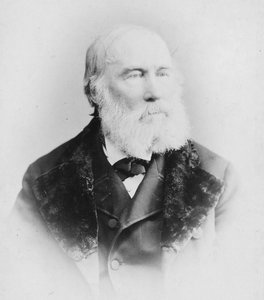
walter hood fitch
1817 - 1892 , United Kingdom
Quick Facts
- Artistic Movement Or Style: Botanical Illustration
- Artists Or Movements Influenced By This Artist: ["Curtis's Magazine"]
- Artists Who Influenced This Artist: ['William Jackson Hooker']
- Date Of Birth: 1817-02-28
- Date Of Death: 1892-01-14
- Full Name: Walter Hood Fitch
- Nationality: Scottish
- Notable Artworks:
- Odontoglossum Lindleyanum
- Illustrations of Himalayan Plants
- Place Of Birth: Glasgow, UK