 Preview
 Send
Send Share
Share
 Details

 Download
 Similars
 X-Ray
X-Ray Diaporama
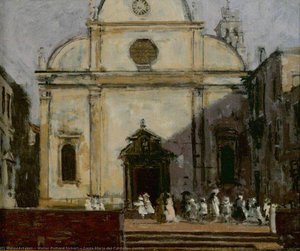
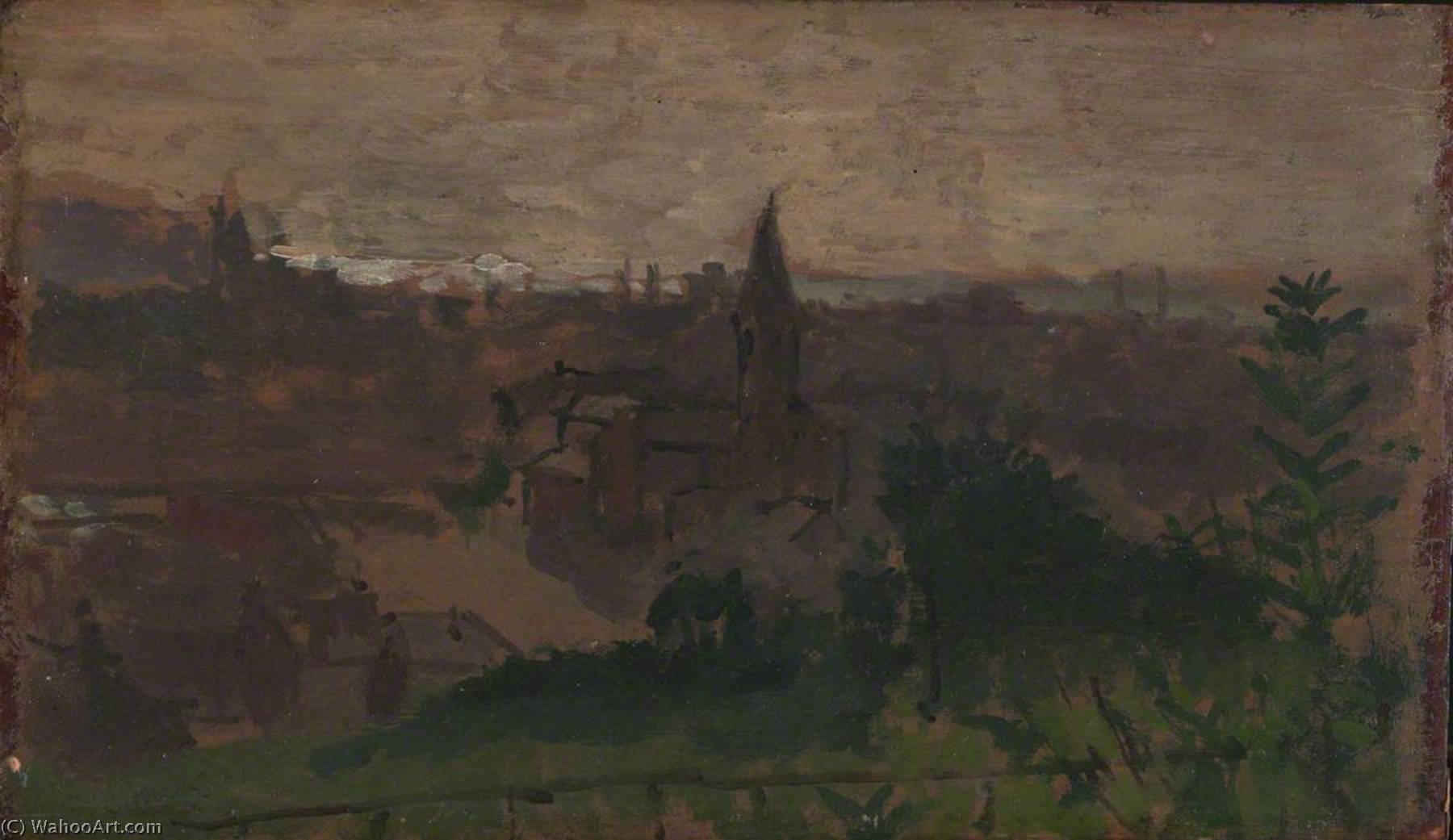
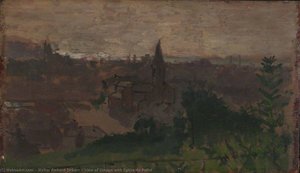
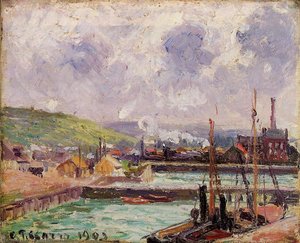
View of Dieppe with Eglise du Pollet
 Oil On Canvas
- WallArt
- Impressionism
 1890
1890 14.0 x 24.0 cm
 Courtauld Gallery
 Read More
Hand Made Oil Reproduction
Hand-painted oil on canvas in your size and frame, made to order by our artists. ( Buy Print Buy Image)




P118B $10

P118H $10

P118W $10

P438Z $10

P508JH $12

P508YH $12

P805H $10

P805Z $10

P919BZ $10

P919G $10

P919XJ $10

P959ZH $10

P968JZ $12

W106C $8

W218G $10

W218JH $8

W218Y $10

W307PJ $10

W316G $10

W316PJ $8

W316Y $10

W398PJ $8

W4111J $10

W500HY $15

W500JH $15

W692G $12

W849H $8

W940BG $15

W953PJ $8




Pick from our preset sizes that match the artwork's original proportions.

You may enter your own dimensions to fit a specific frame or space. If your selected size does not match the original image's proportions, we will either crop the artwork or extend the painting with additional hand-painted elements. A digital mockup will be sent for your approval before production begins.
Please note that the on-screen preview does not reflect the actual cropping or extension. Only the mockup will accurately show the final composition.
While custom sizes are available, we recommend selecting a dimension from the predefined list to preserve the original proportions.
After order, ArtsDot.com team will email client for instructions and provide a mockup preview
Worldwide Delivery () in 3/4 weeks instead of standard 5 weeks. (23 August). No compromise on quality.

Free Worldwide Express Shipping

High-Quality Linen Canvas

Full Shipping Insurance

Customs Tax Refund Guarantee

True Color Matching Guarantee

60-Day Return Policy (Defects Only)

100% Money-Back Guarantee

Bulk Discount Offer
 Glass option is only available in size under 110 CM

View of Dieppe with Eglise du Pollet
Reproduction Medium
Reproduction Size
-


Total Price
$ 263
Artwork Description
A Moment Frozen in Impressionistic Light: Walter Richard Sickert’s View of Dieppe
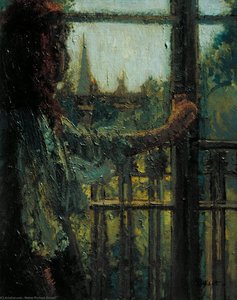
Walter Richard Sickert's "View of Dieppe with Eglise du Pollet," painted circa 1890, is more than just a picturesque landscape; it’s a carefully constructed tableau that embodies the spirit of Impressionism and captures a poignant glimpse into late Victorian Britain. Held by The Courtauld Gallery in London, this oil painting offers viewers an intimate encounter with Sickert's distinctive vision—one characterized by subtle tonal shifts and a masterful manipulation of light to convey mood rather than precise representation.The Landscape’s Quiet Drama
Dieppe, a coastal town renowned for its herring fishing industry and maritime heritage, served as a favored subject for Impressionist artists seeking inspiration from the natural world. Sickert eschewed the grand vistas championed by his contemporaries like Claude Monet or Jean-François Millet, opting instead for a composition that prioritizes atmosphere over topographical accuracy. The artist’s brushstrokes are loose and expressive, blending seamlessly into one another to create an illusion of shimmering light reflecting off the choppy waters of the English Channel. Lush greenery dominates the foreground—trees and shrubs rendered with meticulous detail—contrasting sharply with the hazy sky above. This deliberate juxtaposition serves not only to establish depth but also to heighten the painting’s emotional resonance, suggesting a sense of solitude and contemplation amidst the beauty of nature.Sickert's Impressionistic Technique: Texture and Color Harmony
Sickert’s technique is distinctly Impressionistic, prioritizing texture and color harmony over meticulous realism. He employs impasto—thickly applied paint—to build up surface irregularities that mimic the roughness of bark or foliage, adding a tactile dimension to the scene. The palette is restrained yet luminous, dominated by muted earth tones – ochres, browns, and greens – punctuated by splashes of cooler blues and violets in the sky and water. These colors aren’t blended conventionally; instead, Sickert allows them to merge visually on the canvas, creating a harmonious blend that evokes the ethereal quality of twilight. Careful observation of light—particularly its shifting patterns—is paramount to Sickert's artistic process. He captures fleeting moments of illumination, transforming ordinary landscapes into canvases brimming with emotion and suggestion.The Significance of Eglise du Pollet
Dominating the horizon is the Eglise du Pollet, Dieppe’s parish church, a spire reaching upwards towards the heavens. This architectural element isn't merely a decorative feature; it symbolizes faith and aspiration—a beacon of spiritual solace amidst the vastness of the sea. Sickert’s depiction of the church is softened by atmospheric haze, emphasizing its presence as an enduring landmark against the backdrop of the ephemeral landscape. The spire’s upward thrust reinforces the painting’s contemplative mood, inviting viewers to ponder themes of transcendence and permanence.A Portrait of Feeling: Emotional Impact
Ultimately, “View of Dieppe” transcends a simple depiction of scenery; it's a distillation of Sickert’s artistic sensibility—a testament to his ability to convey profound emotion through subtle visual cues. The painting exudes a palpable sense of melancholy, perhaps reflecting Sickert’s own preoccupation with themes of isolation and decay. Yet, alongside this sadness lies an undeniable beauty—the quiet grandeur of the landscape illuminated by diffused sunlight—creating a complex interplay of sensations that lingers in the viewer's mind long after encountering it. It stands as a poignant reminder that art can capture not just what we see but also what we feel.Related Artworks
Artist Biography
A Life Painted in Shadows and Light
Walter Richard Sickert, born in Munich in 1860, was a figure perpetually caught between worlds – German by birth, British by adoption, and an artist forever oscillating between the established traditions of painting and the burgeoning currents of modernism. His early life was marked by movement; the family’s relocation to England in 1868, prompted by political shifts in Europe, instilled within him a sense of displacement that perhaps fueled his lifelong fascination with outsiders and marginalized figures. Though descended from a lineage of artists – his father, Oswald Sickert, was a Danish painter – young Walter initially harbored ambitions for the stage, briefly treading the boards as an actor alongside the renowned Sir Henry Irving. This early exposure to performance, to the art of illusion and character, would profoundly shape his artistic vision, imbuing his paintings with a theatricality and psychological depth that set him apart from his contemporaries. However, the allure of visual expression proved stronger, leading him to enroll at the Slade School in 1881 and subsequently become a devoted pupil of James Abbott McNeill Whistler. This mentorship was formative, instilling in Sickert a preference for tonal studies painted *alla prima*, directly from nature, and a refined aesthetic sensibility that would underpin his early work. The influence of Whistler wasn’t merely technical; it fostered an appreciation for artistic independence and a willingness to challenge conventional norms.London's Underbelly and the Allure of Modern Life
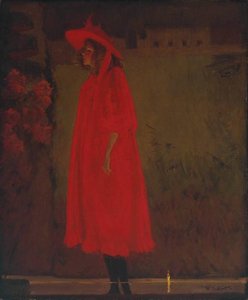
Sickert’s artistic compass quickly gravitated towards the vibrant, often gritty realities of London life. He became captivated by the atmosphere of the city’s music halls – spaces teeming with energy, spectacle, and a diverse cross-section of society. His paintings from this period, such as Katie Lawrence at Gatti's, are remarkable for their unflinching portrayal of these environments and their inhabitants. These weren't simply depictions; they were explorations of modern urban existence, capturing the fleeting moments and raw emotions experienced within those walls. He sought to paint life as it was lived, not as it was idealized, a radical departure from Victorian artistic conventions. This commitment to realism sparked controversy. Critics deemed his subjects “ugly” and “vulgar,” challenging sensibilities that favored idealized representations. Sickert’s willingness to depict ordinary people, particularly female performers, with honesty and without romanticization was a provocative act, foreshadowing the shift towards social realism in 20th-century art. His time spent in Dieppe, France, from 1894 onwards also proved crucial, offering new perspectives on light, color, and composition, while his subsequent visits to Venice further refined his approach to depicting interior spaces and complex arrangements of figures. He wasn’t merely recording what he saw; he was interpreting it through a distinctly personal lens, imbuing even the most mundane scenes with a sense of mystery and psychological tension.A Catalyst for Change: The Camden Town Group and Beyond
As the 20th century dawned, Sickert became a central figure in the burgeoning British avant-garde movement. He joined the New English Art Club in 1888, aligning himself with artists who embraced French Impressionist principles. Later, he played a pivotal role in establishing the Camden Town Group in 1911 – a collective of artists dedicated to portraying modern life with unflinching honesty and stylistic innovation. Sickert’s influence on this group was profound, encouraging them to break away from traditional academic constraints and explore new forms of expression. He championed an unromanticized vision of the urban landscape, focusing on everyday scenes and ordinary people. His paintings during this period often featured unsettling subject matter, such as his Camden Town Murder series, reflecting a growing fascination with crime and psychological tension. This willingness to confront difficult themes cemented his reputation as a provocative and challenging artist. He wasn’t simply interested in depicting the surface of things; he wanted to delve into the darker recesses of the human psyche, exploring themes of alienation, anxiety, and moral ambiguity.Legacy and Lingering Mysteries
Walter Richard Sickert’s legacy extends far beyond his prolific output. He was a catalyst for change in British art, paving the way for subsequent generations of artists to embrace modernism and explore new avenues of expression. His influence can be seen in the work of numerous painters who followed, particularly those associated with the London Group and other avant-garde movements. Sickert’s pioneering spirit, his commitment to realism, and his willingness to challenge societal norms continue to resonate with artists today. While controversies surrounding his life – including speculation about his potential involvement in the Jack the Ripper murders – have added layers of intrigue to his story, they do not diminish his artistic achievements. These theories, though largely dismissed by scholars, speak to the unsettling quality of his work and its preoccupation with themes of violence and urban decay. His paintings remain powerful testaments to a changing world, offering glimpses into the lives and experiences of those often overlooked by traditional art history. He was an artist who dared to look beyond the surface, to confront the uncomfortable truths of modern life, and to capture them on canvas with unflinching honesty.Key Details & Influences
- Born: May 31, 1860, Munich, Bavaria
- Died: January 22, 1942, Bathampton, England
- Key Influences: James Abbott McNeill Whistler, Edgar Degas
- Associated Groups: New English Art Club, Camden Town Group
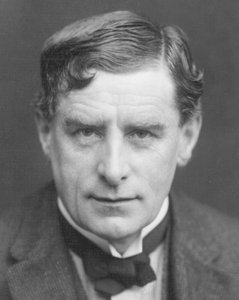
Walter Richard Sickert
1860 - 1942 , Germany
Quick Facts
- Artistic Movement Or Style: Post-Impressionism
- Artists Or Movements Influenced By This Artist:
- Camden Town Group
- London Group
- Artists Who Influenced This Artist:
- Whistler
- Degas
- Date Of Birth: May 31, 1860
- Date Of Death: January 22, 1942
- Full Name: Walter Richard Sickert
- Nationality: British
- Notable Artworks:
- Katie Lawrence at Gatti's
- Sinn Féiners
- L'Hotel Royal, Dieppe
- The Horses of St Mark’s
- Place Of Birth: Munich, Germany
Related Articles

Impressionistic Landscapes: 10 Masterpieces That Changed Art & Decor
Journey into the heart of Impressionism! Explore 10 masterpieces by Monet, Renoir & Degas that revolutionized landscape art. Discover their stories, techniques & find museum-quality reproductions to elevate your home decor on ArtsDot.com.
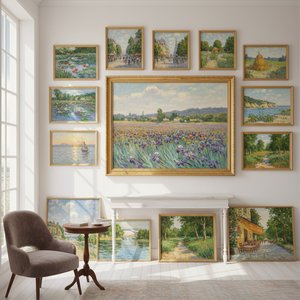
Impressionist Landscapes: 10 Masterpieces for Your Home | ArtsDot
Journey through 10 iconic Impressionist landscapes by Monet, Renoir & Degas. Explore the history, techniques & emotions behind these masterpieces. Find museum-quality reproductions for your home at ArtsDot.com – where art comes to life! Discover all masterpieces on ArtsDot.com

Cézanne's Masterpieces: 25 Iconic Artworks to Transform Your Space
Journey through 25 iconic artworks by Paul Cézanne – a master of Impressionism and Post-Impressionism. Explore his landscapes, still lifes, and the stories behind these timeless masterpieces. Discover museum-quality reproductions & curated decor at ArtsDot.com.

Capturing Fleeting Light: A Comprehensive Exploration of Impressionistic Landscape Painting
Explore the captivating world of Impressionistic landscape painting! Discover techniques, key artists like Monet & Renoir, and its lasting influence on art history. A comprehensive guide for enthusiasts.

Evocations of Place: A Historical Journey Through Landscape Art
Explore the rich history of landscape art with ArtsDot. Discover renowned artists, movements like Impressionism & Romanticism, and expert guidance for collecting timeless pieces. Find your perfect serene escape today!