

 Preview
 Send
Send Share
Share
 Details

 Download
 Similars
 X-Ray
X-Ray Diaporama
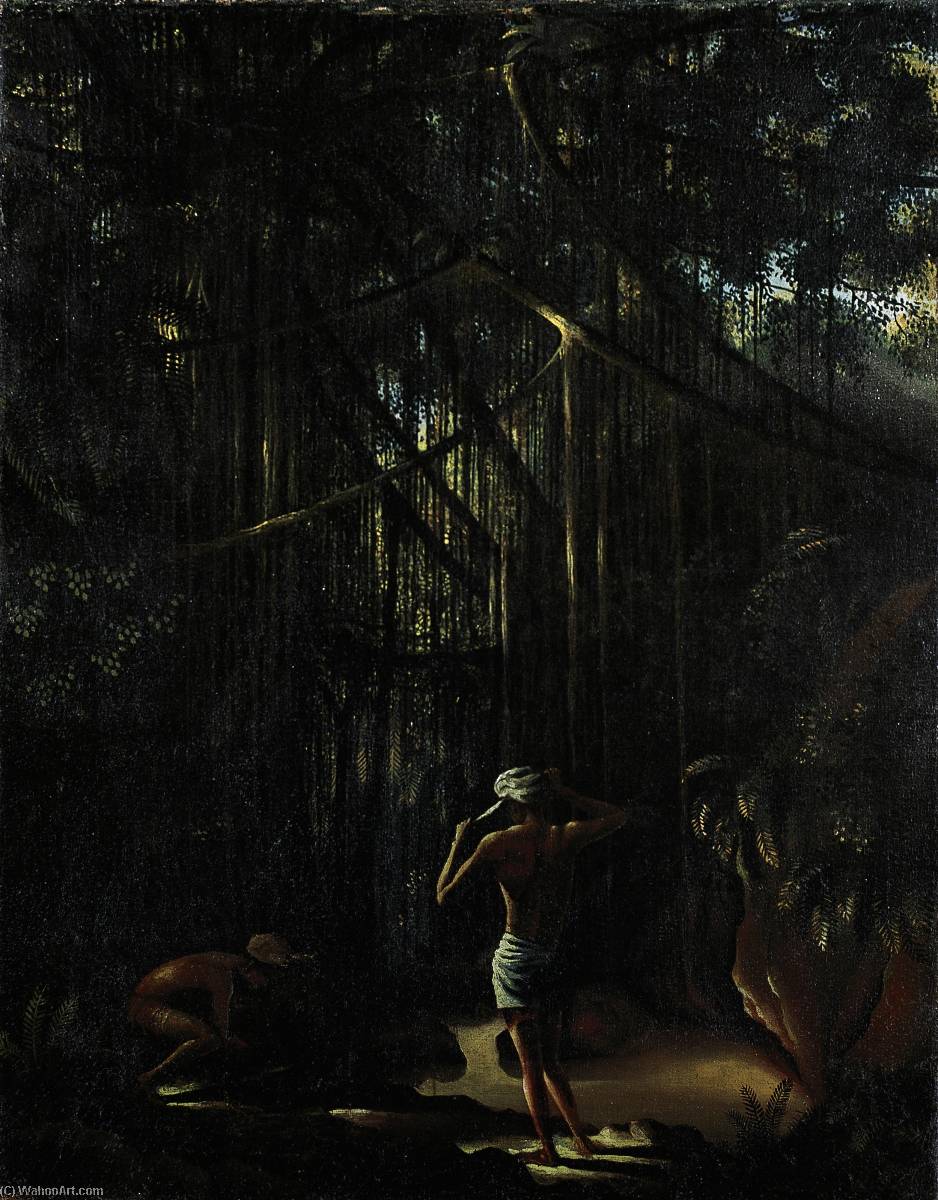
Waringin Mit Zwei Jungen Baliern (Banyan with Two Young Balinese)
 74.0 x 58.0 cm
 Read More
Purchase a high-resolution, enhanced digital image, far superior to the online preview.
Each file is meticulously prepared by our in-house specialists using advanced tools and expert manual retouching. We ensure every image has exceptional clarity, precise color accuracy, and fine detail.
The final file is delivered via email within 72 hours, optimized for immediate use in professional, editorial, and print environments. This is the same quality trusted by top-tier design studios, publishers, and galleries.
Digital Image
Download a high-resolution file for personal display, printing, and creative projects. ( Buy Print Buy Hand Made Painting)
Included in Every Digital Image Order
Expert Digital Delivery, Guaranteed
When you choose ArtsDot.com, you're not just getting an image - you're receiving a professionally enhanced digital artwork, crafted with precision and backed by a satisfaction guarantee. Here's everything that comes with your order, automatically:

Fast Email Delivery
Your high-resolution digital image file will be emailed to you within 72 hours of ordering - ready for immediate use.

AI-Enhanced Digital File
Your artwork is professionally optimized using advanced AI tools and manual editing, ensuring maximum detail, clarity, and color accuracy.

Free Lifetime Re-Delivery
Accidentally deleted or lost your file? No worries - we'll resend it to you anytime, free of charge.

No Import Fees - Ever
Enjoy your artwork instantly with zero customs, duties, or delivery fees - digital downloads are always tax-free.

Color Accuracy Guarantee
We ensure your digital image reflects the original colors as closely as possible using professional tools and color management.

60-Day Satisfaction Guarantee
If you're not satisfied with your digital image, we'll revise it or refund 100% within 60 days - no questions asked.

100% Money-Back Guarantee
Not satisfied? Get a full refund within 60 days of receiving your digital file - no questions asked.

Bulk Order Discounts
Buy 3 images, save 10% - Buy 5, save 15% - Buy 10+, save 20%. Great for creative projects, galleries, and agencies.
Related Artworks





Artist Biography
The Soul of the Archipelago: The Life and Legacy of Walter Spies
In the tapestry of modern art, few threads are as vibrant or as enigmatic as those woven by Walter Spies. A man of profound contradictions, Spies was a German-born painter, composer, and musicologist whose life journey took him from the intellectual circles of Moscow and Germany to the lush, spiritual landscapes of Bali. Born in 1895 to German diplomat parents in Russia, his early years were steeped in a unique blend of Western scholarship and an burgeoning fascination with Eastern mysticism. This dual heritage would later become the cornerstone of his artistic identity, allowing him to act as a bridge between the academic traditions of Europe and the raw, rhythmic vitality of Indonesia.
Spies’s arrival in Java in 1923 marked the beginning of a transformative era for both the artist and the region. While he initially sought to explore the musical landscapes of the archipelago—even working with the Sultan of Yogyakarta to organize Western orchestras—it was the island of Bali that truly captured his creative spirit. By 1927, settled in Ubud, Spies began to immerse himself so deeply in the local culture that the boundaries between his European training and Balinese tradition began to dissolve. He did not merely observe the island; he became a vital participant in its cultural renaissance, fostering a dialogue that would eventually propel Balinese art onto the global stage.
A Primitivist Vision: Technique and Symbolism
The aesthetic language of Walter Spies is one of striking clarity and emotive power. Rejecting the rigid constraints of European academic realism, he embraced a primitivist aesthetic characterized by simplified forms, bold color palettes, and an almost dreamlike atmosphere. His brushwork often possessed a loose, expressive quality that captured the ephemeral essence of the tropical landscape rather than its mere physical appearance. In masterpieces such as "A View from the Heights," one can observe his masterful use of composition to create depth; he utilized distinct planes—foreground, middle ground, and background—to guide the viewer through a breathtakingly lush Balinese valley.
Beyond the visual surface, Spies’s work is imbued with profound symbolism. His paintings often serve as metaphors for harmony and balance, themes central to the Balinese way of life. The terraced rice fields that frequently populate his canvases are not just topographical features but symbols of a structured, rhythmic existence in tune with nature. Through his use of vibrant greens, earthy browns, and deep, nocturnal blues, Spies evoked the rich, humid atmosphere of the tropics, inviting viewers into a world where the spiritual and the material are inextricably linked. His art was an attempt to capture the anima of Bali—the very breath of the island.
Cultural Catalyst and Tragic End
The historical significance of Walter Spies extends far beyond his individual canvases. He was a pivotal figure in the Pita Maha movement, a collective of artists that helped modernize Balinese painting while preserving its traditional roots. By hosting anthropologists, actors, and fellow artists—most notably the Mexican anthropologist Miguel Covarrubias—Spies turned Bali into an international beacon of authentic cultural experience. He was instrumental in attracting Western attention to the island's intricate rituals and dances, ensuring that the unique heritage of the region was documented and celebrated by the global community.
However, the tides of history were ultimately unkind to this pioneer of modern Indonesian expression. The outbreak of World War II brought an abrupt and tragic end to his creative journey. As a German national living in the Dutch East Indies, Spies was interned by Dutch authorities as an enemy alien. In 1942, during the deportation of German internees to Ceylon, his ship was struck by Japanese planes. Spies, along with many of his fellow prisoners, perished at sea, leaving behind a legacy that remains as luminous and enduring as the Balinese sunrises he so lovingly depicted.
- Key Contributions: Initiated the dialogue between European modernism and Balinese tradition; influential member of the local artistic community.
- Artistic Style: Primitivism, emphasis on bold color, simplified forms, and atmospheric depth.
- Multidisciplinary Talent: Renowned as a painter, composer, musicologist, and curator.
- Historical Impact: Helped establish Bali as a global center for art and cultural exploration in the 20th century.
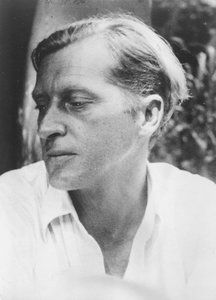
Walter Spies
1895 - 1942
Quick Facts
- Artistic Movement Or Style: Primitivism
- Artists Or Movements Influenced By This Artist:
- Persian miniaturist
- Breughel
- Douanier Rousseau
- Artists Who Influenced This Artist: ['Miguel Covarrubias']
- Date Of Birth: 1895
- Date Of Death: 1942
- Full Name: Walter Spies
- Nationality: German-Russian
- Notable Artworks:
- A View From The Heights
- Waringin Mit Zwei Jungen Baliern
- Sekaten 1926
- Place Of Birth: Moscow, Russia

