 Preview
 Send
Send Share
Share
 Details

 Download
 Similars
 X-Ray
X-Ray Diaporama
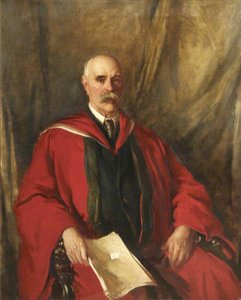
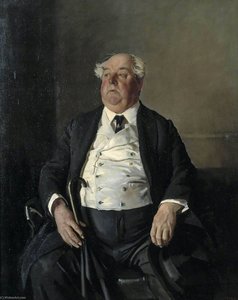
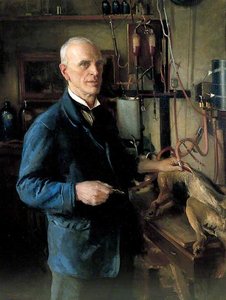
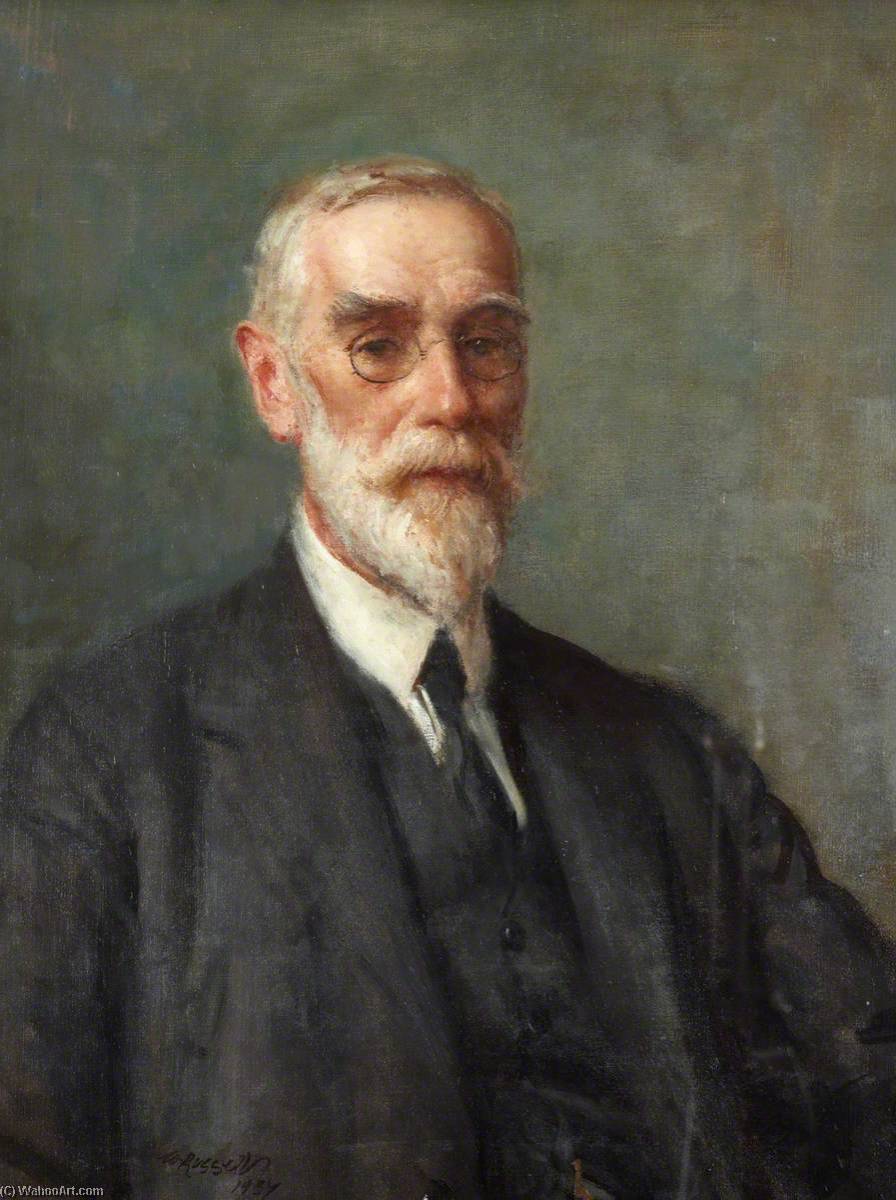
Professor Stanley Gardiner
 1937
1937 54.0 x 42.0 cm
 Wolfson College
 Read More
Hand Made Oil Reproduction
Hand-painted oil on canvas in your size and frame, made to order by our artists. ( Buy Print Buy Image)




































Pick from our preset sizes that match the artwork's original proportions.

You may enter your own dimensions to fit a specific frame or space. If your selected size does not match the original image's proportions, we will either crop the artwork or extend the painting with additional hand-painted elements. A digital mockup will be sent for your approval before production begins.
Please note that the on-screen preview does not reflect the actual cropping or extension. Only the mockup will accurately show the final composition.
While custom sizes are available, we recommend selecting a dimension from the predefined list to preserve the original proportions.
After order, ArtsDot.com team will email client for instructions and provide a mockup preview
Worldwide Delivery () in 3/4 weeks instead of standard 5 weeks. (17 August). No compromise on quality.

Free Worldwide Express Shipping

High-Quality Linen Canvas

Full Shipping Insurance

Customs Tax Refund Guarantee

True Color Matching Guarantee

60-Day Return Policy (Defects Only)

100% Money-Back Guarantee

Bulk Discount Offer
 Glass option is only available in size under 110 CM

Professor Stanley Gardiner
Reproduction Medium
Reproduction Size
-


Total Price
$ 263
Related Artworks
Artist Biography
The Luminous Legacy of Sir Walter Westley Russell
Sir Walter Westley Russell (1867–1949) stands as a distinguished figure in the annals of British art, a painter whose brush captured the ephemeral beauty of the natural world with profound sensitivity. Born in Forest Gate, Essex, Russell’s journey into the heart of the aesthetic movement was deeply personal, nurtured by the influence of his father, Henry Russell. As a bookbinder and artist, Henry provided a foundation of visual literacy that would later allow Walter to perceive the subtle nuances of light and texture in the English landscape. His formal education at the Westminster School of Art under the guidance of Professor Frederick Brown further refined his technical prowess, instilling in him a mastery of both watercolour and oil painting that would define his illustrious career.
The essence of Russell’s work lies in its ability to evoke a sense of serene permanence amidst the shifting tides of nature. He was particularly renowned for his evocative depictions of the Yorkshire coastlines and the tranquil expanses of the Norfolk countryside. Through his eyes, coastal vistas became more than mere scenery; they were atmospheric studies of light, wind, and water. Works such as Studland Beach and Sandbanks demonstrate his remarkable ability to render the interplay between the sea and the shore, capturing a sense of peace that resonates with viewers even a century later. His landscapes are imbued with a quiet majesty, reflecting a deep, spiritual connection to the British terrain.
A Pillar of the Royal Academy and Artistic Eminence
Beyond his individual creative output, Russell played a monumental role in the institutional fabric of the British art world. His ascent within the Royal Academy was both steady and significant, marked by his election as an Associate Member in 1920, followed by Full Academician status in 1926. Perhaps his most influential period came between 1927 and 1942, when he served as the Keeper of the Royal Academy Schools. In this capacity, he was not merely a painter but a mentor, shaping the next generation of British artists during one of the most transformative eras in modern history. His commitment to excellence and his role in maintaining the standards of artistic education solidified his reputation as a cornerstone of the establishment.
Russell’s reach extended far beyond the borders of the United Kingdom. His participation in the 1912 Venice Biennale served as a testament to his international standing, allowing him to engage with the broader European avant-garde and bring a British perspective to one of the world's most prestigious art stages. This period of his life was characterized by an active dialogue with contemporary movements, including his involvement with the New English Art Club from 1893 onwards. Even amidst the profound disruptions of World War I, where he served with distinction as a lieutenant in the Royal Engineers, Russell’s dedication to the visual arts remained an undiminished force.
Artistic Versatility and Enduring Significance
While landscapes remain his most celebrated contribution, the breadth of Russell’s repertoire was impressively diverse. He possessed a keen ability to pivot from the vastness of a coastal horizon to the intimate details of portraiture and genre scenes. His early exhibitions at the Royal Academy featured works such as Pierrots and Tea Time, which showcased his skill in capturing the charm of everyday life and the subtle complexities of human character. This versatility allowed him to navigate the delicate balance between traditional representation and a more modern, atmospheric sensibility.
The historical significance of Sir Walter Westley Russell lies in his ability to bridge the gap between the classical traditions of the 19th century and the evolving sensibilities of the early 20th century. His life was a tapestry of service, education, and profound observation. To look upon a Russell painting is to experience a moment of stillness, a carefully preserved fragment of the British landscape that continues to inspire awe through its masterful command of light, atmosphere, and emotion.
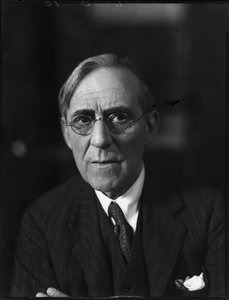
Walter Westley Russell
1867 - 1949 , United Kingdom
Quick Facts
- Artistic Movement Or Style: Landscape painting
- Artists Or Movements Influenced By This Artist: ['Venice Biennale']
- Artists Who Influenced This Artist: ['Frederick Brown']
- Date Of Birth: May 31, 1867
- Date Of Death: April 16, 1949
- Full Name: Walter Westley Russell
- Nationality: British
- Notable Artworks:
- The Perriots
- Tea Time
- A Portrait
- Place Of Birth: Forest Gate, United Kingdom