
- Home

- Digital Image
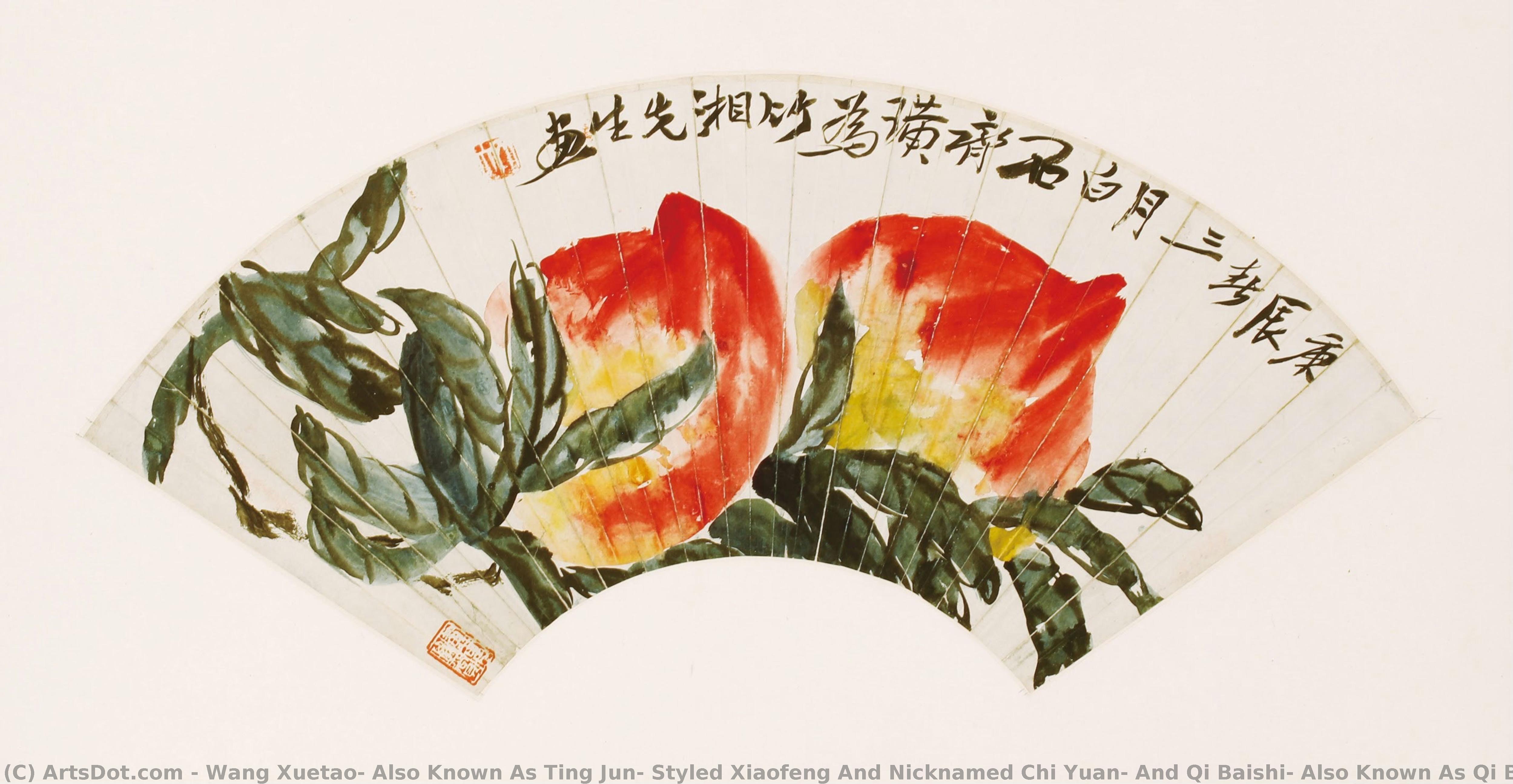
- Wang Xuetao, Also Known As Ting Jun, Styled Xiaofeng And Nicknamed Chi Yuan, And Qi Baishi, Also Known As Qi Baishi, Also Known As Qi Baishi, Also Kno
 Preview
 Send
Send Share
Share
 Details

 Download
 Similars
 X-Ray
X-Ray Diaporama
Peaches (仙桃)
 1940
1940 18.0 x 51.0 cm
 Hwajeong Museum
 Read More
Purchase a high-resolution, enhanced digital image, far superior to the online preview.
Each file is meticulously prepared by our in-house specialists using advanced tools and expert manual retouching. We ensure every image has exceptional clarity, precise color accuracy, and fine detail.
The final file is delivered via email within 72 hours, optimized for immediate use in professional, editorial, and print environments. This is the same quality trusted by top-tier design studios, publishers, and galleries.
Digital Image
Download a high-resolution file for personal display, printing, and creative projects. ( Buy Print Buy Hand Made Painting)
Included in Every Digital Image Order
Expert Digital Delivery, Guaranteed
When you choose ArtsDot.com, you're not just getting an image - you're receiving a professionally enhanced digital artwork, crafted with precision and backed by a satisfaction guarantee. Here's everything that comes with your order, automatically:

Fast Email Delivery
Your high-resolution digital image file will be emailed to you within 72 hours of ordering - ready for immediate use.

AI-Enhanced Digital File
Your artwork is professionally optimized using advanced AI tools and manual editing, ensuring maximum detail, clarity, and color accuracy.

Free Lifetime Re-Delivery
Accidentally deleted or lost your file? No worries - we'll resend it to you anytime, free of charge.

No Import Fees - Ever
Enjoy your artwork instantly with zero customs, duties, or delivery fees - digital downloads are always tax-free.

Color Accuracy Guarantee
We ensure your digital image reflects the original colors as closely as possible using professional tools and color management.

60-Day Satisfaction Guarantee
If you're not satisfied with your digital image, we'll revise it or refund 100% within 60 days - no questions asked.

100% Money-Back Guarantee
Not satisfied? Get a full refund within 60 days of receiving your digital file - no questions asked.

Bulk Order Discounts
Buy 3 images, save 10% - Buy 5, save 15% - Buy 10+, save 20%. Great for creative projects, galleries, and agencies.
Related Artworks









Artist Biography
A Life Dedicated to Blossoms and Birds: The World of Wang Xuetao
Wang Xuetao (1903-1982), a name synonymous with delicate freehand flower-and-bird paintings in modern Chinese art, embarked on a journey that beautifully intertwined tradition and innovation. Born Wang Tingjun in Cheng’an, Hebei Province, he adopted the courtesy name Xiaofeng and the art name Chiyuan, reflecting a life steeped in artistic contemplation. His path wasn't one of inherited privilege but rather a self-driven pursuit fueled by an innate passion for capturing the ephemeral beauty of nature. From his early education at the Cheng’an County Higher Primary School to his initial studies at the Handicraft and Drawing Department attached to the Baoding Zhili Higher Normal School, Wang laid the groundwork for a career that would blossom into national recognition. A pivotal moment arrived in 1924 when he became a pupil of the celebrated master Qi Baishi, an encounter that profoundly shaped his artistic trajectory. Qi Baishi not only imparted technical skills but also instilled a deep appreciation for the essence of Chinese painting—a harmonious blend of likeness and unlikeness, observation and expression.The Influence of Qi Baishi and Early Development
Qi Baishi’s influence on Wang Xuetao was transformative. Renaming him “Xuetao” – meaning snow peach – Qi recognized a kindred spirit in the young artist's sensitivity to form and color. Wang initially studied Western painting at the State Beijing Arts School, but his heart lay with traditional Chinese techniques. This unique blend of Eastern and Western approaches would become a hallmark of his style. After graduating in 1926, he remained at the school as a teaching assistant and lecturer, simultaneously contributing to institutions like Jinghua Art Academy and Peking Arts Academy. During this period, Wang’s work began to emerge, characterized by meticulous brushwork and a growing mastery of *xieyi* – freehand brushwork emphasizing vivid expression and bold outlines. He wasn't merely replicating nature; he was interpreting it through the lens of his own artistic sensibility, imbuing each flower, bird, and insect with personality and life. Collaborations with artists like Wang Mengbai in 1931, such as the creation of “Mynah and Phoenix Tree Painting,” demonstrate a willingness to experiment and refine his skills alongside peers.A Synthesis of Tradition and Personal Vision
Wang Xuetao’s artistic philosophy centered on integrating Western sketching methods with traditional Chinese aesthetics. He didn't abandon the principles of structure and form but rather enhanced them through careful observation and anatomical accuracy. His subjects were diverse – veriegated flowers, succulent fruits, humble vegetables, and lively poultry – yet they all shared a common thread: a vibrant energy and an almost palpable sense of life. He skillfully balanced ink washes with appropriate color emphasis, creating works that weren’t simply decorative but emotionally resonant. The 1950s saw his participation in the “New Chinese Painting Research Association,” further solidifying his commitment to exploring new avenues within traditional forms. His peony paintings, in particular, gained widespread popularity for their smart layout and delicate calligraphy, adding layers of richness and sophistication. He held numerous important positions – director of the Chinese Artists Association, president of the Beijing Fine Art Academy, vice chairman of the Beijing Artists Association, and chairman of the Beijing Flower And Birds Painting Association – demonstrating his leadership within the art community.Major Achievements and Lasting Legacy
Throughout his career, Wang Xuetao created a vast body of work that showcased his exceptional talent and unwavering dedication to his craft. Notable pieces include “Group of Chickens Painting,” “Myriad Purple and Thousand Red,” “Hundred Flowers Blooming,” and “Flowers and Birds of the Four Seasons.” He also authored influential texts such as “Wang Xuetao’s Painting Collection” and “Wang Xuetao’s Painting Manual,” sharing his knowledge with future generations. His work often featured collaborative efforts, like "Universal Celebration" in 1951 alongside Qi Baishi and other prominent artists, highlighting the spirit of artistic exchange within China's art circles. In later life, Wang continued to push boundaries, exhibiting works such as “Eight Scrolls of Birds” at the First Joint Exhibition of the Beijing Painting Academy and the Japan Nanga Institute in 1981. His death in 1982 marked the end of a remarkable career, but his legacy continues to inspire artists today. Wang Xuetao’s contribution lies not only in his technical mastery but also in his ability to breathe new life into traditional forms, creating works that are both deeply rooted in Chinese culture and universally appealing. He stands as a testament to the power of dedication, innovation, and a lifelong pursuit of artistic excellence.A Continuing Influence
- Wang Xuetao’s paintings continue to be exhibited and studied for their technical brilliance and emotional depth.
- His influence can be seen in contemporary Chinese flower-and-bird painting, with many artists drawing inspiration from his unique style.
- The artist's writings remain valuable resources for students of traditional Chinese art techniques.
- His work serves as a bridge between generations, connecting the rich heritage of Chinese painting with modern artistic expression.
Quick Facts
- Artistic Movement Or Style: Freehand flower-and-bird painting
- Artists Who Influenced This Artist:
- Qi Baishi
- Wang Mengbai
- Date Of Birth: 1903
- Date Of Death: 1982
- Full Name: Wang Xuetao
- Nationality: Chinese
- Notable Artworks:
- Ocean Travels
- Flowers and Insects-2
- Flowers and Insects 1
- Place Of Birth: Cheng'an, Hebei, China

