

 Preview
 Send
Send Share
Share
 Details

 Download
 Similars
 X-Ray
X-Ray Diaporama
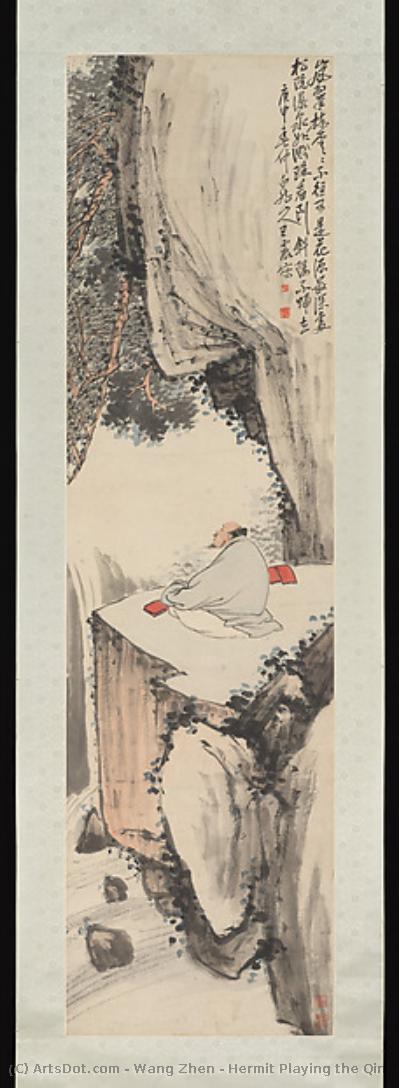
Hermit Playing the Qin
 1914
1914 152.0 x 40.0 cm
 Read More
Purchase a high-resolution, enhanced digital image, far superior to the online preview.
Each file is meticulously prepared by our in-house specialists using advanced tools and expert manual retouching. We ensure every image has exceptional clarity, precise color accuracy, and fine detail.
The final file is delivered via email within 72 hours, optimized for immediate use in professional, editorial, and print environments. This is the same quality trusted by top-tier design studios, publishers, and galleries.
Digital Image
Download a high-resolution file for personal display, printing, and creative projects. ( Buy Print Buy Hand Made Painting)
Included in Every Digital Image Order
Expert Digital Delivery, Guaranteed
When you choose ArtsDot.com, you're not just getting an image - you're receiving a professionally enhanced digital artwork, crafted with precision and backed by a satisfaction guarantee. Here's everything that comes with your order, automatically:

Fast Email Delivery
Your high-resolution digital image file will be emailed to you within 72 hours of ordering - ready for immediate use.

AI-Enhanced Digital File
Your artwork is professionally optimized using advanced AI tools and manual editing, ensuring maximum detail, clarity, and color accuracy.

Free Lifetime Re-Delivery
Accidentally deleted or lost your file? No worries - we'll resend it to you anytime, free of charge.

No Import Fees - Ever
Enjoy your artwork instantly with zero customs, duties, or delivery fees - digital downloads are always tax-free.

Color Accuracy Guarantee
We ensure your digital image reflects the original colors as closely as possible using professional tools and color management.

60-Day Satisfaction Guarantee
If you're not satisfied with your digital image, we'll revise it or refund 100% within 60 days - no questions asked.

100% Money-Back Guarantee
Not satisfied? Get a full refund within 60 days of receiving your digital file - no questions asked.

Bulk Order Discounts
Buy 3 images, save 10% - Buy 5, save 15% - Buy 10+, save 20%. Great for creative projects, galleries, and agencies.
Collectible Description
Related Artworks
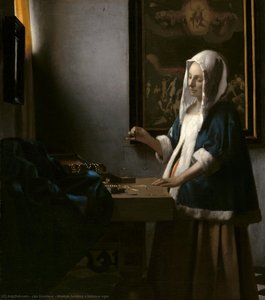

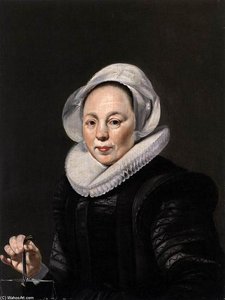
Artist Biography
Wang Zhen: Bridging Commerce, Faith, and the Dawn of Modern Chinese Painting
Wang Zhen (1867-1938) stands as a compelling figure in late 19th and early 20th century China – an artist whose life seamlessly intertwined with the tumultuous shifts of a nation undergoing rapid modernization. More than simply a painter, he was a businessman, philanthropist, political activist, and devout Buddhist, each facet of his existence profoundly influencing his artistic vision. His work, often characterized by vibrant colors, dynamic brushwork, and a deep engagement with Buddhist themes, offers a unique window into the cultural landscape of a China grappling with tradition and modernity.
Born in Wuxing, Zhejiang province, Wang Zhen’s early life was marked by upheaval. The collapse of the Qing Dynasty and the subsequent civil war created an atmosphere of instability and displacement. His family, engaged in textile trade, relocated to Shanghai, a bustling port city rapidly absorbing Western influences while clinging fiercely to its own cultural identity. This dynamic environment shaped Wang's worldview – fostering both entrepreneurial ambition and a keen awareness of social injustice. He quickly established himself as a successful businessman, heading a significant shipping company, a testament to his shrewdness and adaptability.
However, Wang’s life wasn’t solely defined by commerce. A fervent Buddhist, he actively participated in charitable organizations and religious activities, particularly supporting the Zen *chan* tradition. This spiritual devotion became inextricably linked with his artistic practice. He studied under renowned masters like Ren Bonian (1840-1896) and Wu Changshuo (1844-1927), absorbing their techniques and stylistic approaches while forging a distinctive voice of his own. His training in traditional Chinese painting was complemented by an understanding of Western aesthetics, reflecting the cosmopolitan nature of Shanghai during this period.
The Evolution of Style: From Traditional Roots to Modern Expression
Wang Zhen’s artistic style evolved significantly over time, mirroring the broader transformations occurring within China. Initially influenced by the meticulous detail and refined brushwork of Wu Changshuo, his early works often depicted landscapes and birds-and-flowers with a serene elegance. However, as he matured, his paintings began to exhibit a bolder approach – characterized by looser brushstrokes, brighter colors, and a greater emphasis on capturing movement and atmosphere. This shift can be attributed to several factors: his exposure to Japanese art during his travels, the influence of contemporary Western painting techniques, and most importantly, his own evolving spiritual perspective.
A key element in Wang Zhen’s style was his masterful use of *can* (干), a technique that eschews detailed rendering of form, relying instead on suggestive brushstrokes to evoke an image. This approach, particularly evident in his depictions of Buddhist figures like Huaisu, creates a sense of immediacy and spiritual depth. His paintings are not merely representations of subjects; they are attempts to capture the essence of their being – a characteristic that aligns with the principles of Zen Buddhism.
Subjects and Themes: A Reflection of Faith and Social Consciousness
Wang Zhen’s artistic output spanned a diverse range of subjects, reflecting his multifaceted life. Buddhist figures—monks, bodhisattvas, and enlightened beings—were frequent subjects, often portrayed in contemplative poses amidst evocative landscapes. These paintings are imbued with a sense of serenity and spiritual aspiration, mirroring Wang's own devotion to the *chan* tradition.
Beyond religious iconography, Wang Zhen also produced works depicting everyday life – scenes of rural communities, bustling cityscapes, and portraits of prominent figures. These paintings offer valuable insights into the social and economic realities of late Qing and early Republican China. Notably, his depictions of Luohans (monastic hermits) frequently incorporated elements of Chinese folklore and landscape, demonstrating a synthesis of tradition and innovation.
Legacy and Historical Significance
Wang Zhen’s artistic legacy is significant for several reasons. Firstly, he represents a bridge between traditional Chinese painting and the emerging modern aesthetic – his work demonstrates an ability to embrace both established techniques and contemporary influences. Secondly, his life story exemplifies the complex role of intellectuals and entrepreneurs in shaping China's trajectory during this period. He was not simply an artist; he was a businessman, philanthropist, and political activist who used his wealth and influence to support social causes and promote cultural understanding.
His paintings are now housed in prestigious collections worldwide, including the Metropolitan Museum of Art in New York and the Museum of Fine Arts in Boston. Wang Zhen’s work continues to be studied and appreciated for its artistic merit, historical significance, and profound reflection of a pivotal era in Chinese history. He remains a testament to the power of art to transcend boundaries – connecting tradition with modernity, faith with commerce, and individual experience with collective identity.
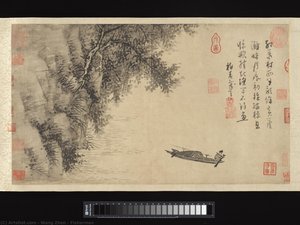
wang zhen
1867 - 1938
Quick Facts
- Artistic Movement Or Style: Buddhist painting
- Artists Or Movements Influenced By This Artist: ['Shanghai School']
- Artists Who Influenced This Artist:
- Ren Bonian
- Wu Changshuo
- Date Of Birth: December 4, 1867
- Date Of Death: March 12, 1993
- Full Name: Wang Zhen (Wade–Giles: Wang Chen)
- Nationality: Chinese
- Notable Artworks:
- Huaisu writing on a banana leaf
- Two luohans in the mountains
- Place Of Birth: Wuxing, China

