 Preview
 Send
Send Share
Share
 Details

 Download
 Similars
 X-Ray
X-Ray Diaporama
 Stats
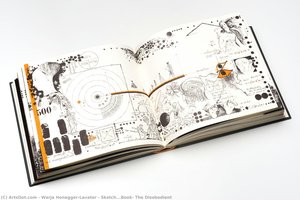
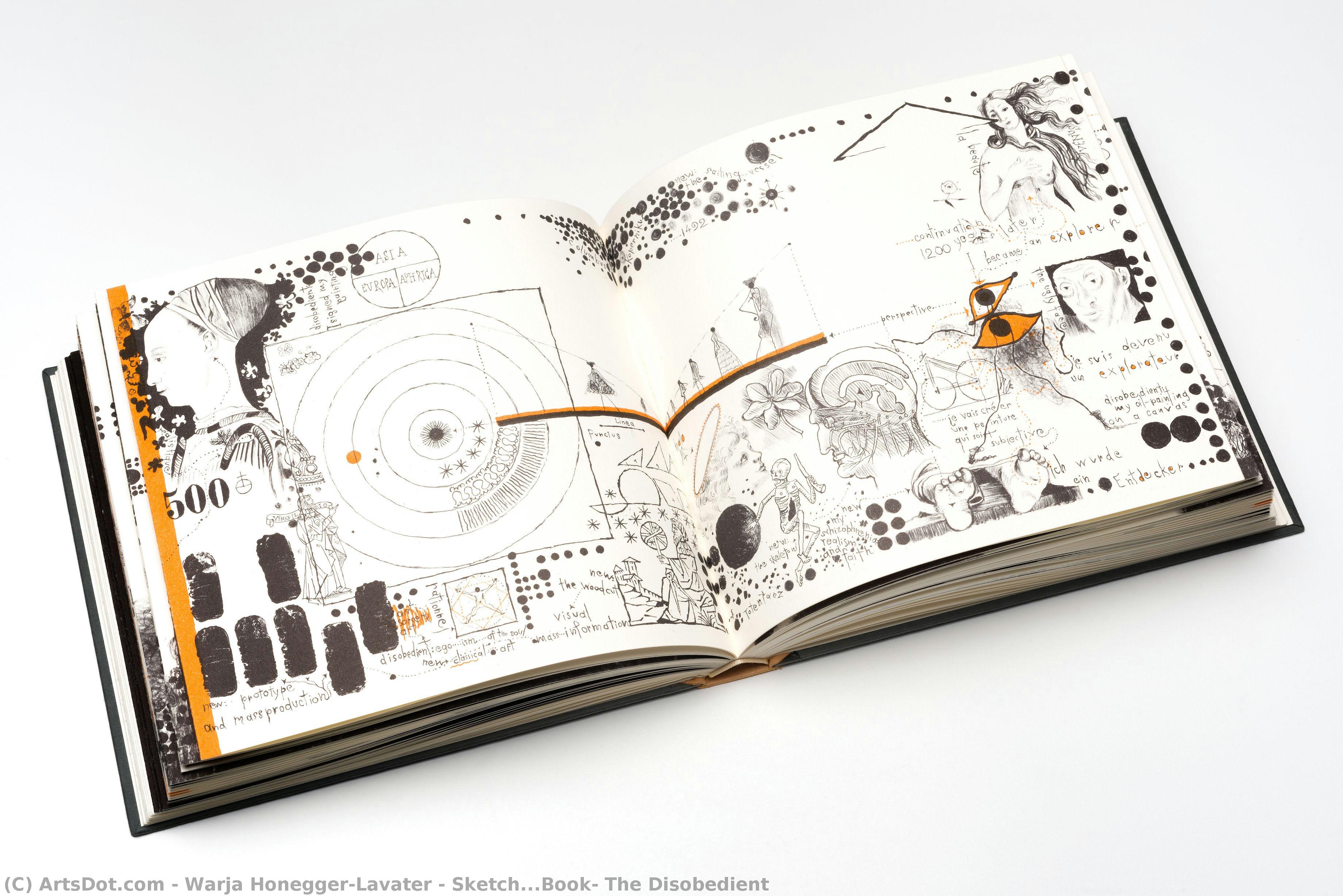
StatsSketch...Book: The Disobedient

 Read More
Hand Made Oil Reproduction
Hand-painted oil on canvas in your size and frame, made to order by our artists. ( Switch to Print Switch to Digital Image)




































Pick from our preset sizes that match the artwork's original proportions.

You may enter your own dimensions to fit a specific frame or space. If your selected size does not match the original image's proportions, we will either crop the artwork or extend the painting with additional hand-painted elements. A digital mockup will be sent for your approval before production begins.
Please note that the on-screen preview does not reflect the actual cropping or extension. Only the mockup will accurately show the final composition.
While custom sizes are available, we recommend selecting a dimension from the predefined list to preserve the original proportions.
After order, ArtsDot.com team will email client for instructions and provide a mockup preview
Worldwide Delivery () in 3/4 weeks instead of standard 5 weeks. (9 September). No compromise on quality.

Free Worldwide Express Shipping

High-Quality Linen Canvas

Full Shipping Insurance

Customs Tax Refund Guarantee

True Color Matching Guarantee

100-Day Return Policy (Defects Only)

100% Money-Back Guarantee

Bulk Discount Offer
 Glass option is only available in size under 110 CM

Sketch...Book: The Disobedient
Reproduction Medium
Reproduction Size
-


Total Price
$ 263
Related Artworks


Artist Biography
The Poet of Pictograms: The Visual Language of Warja Honegger-Lavater
In the quiet intersection where graphic design meets poetic storytelling, the work of Warja Honegger-Lavater resides as a profound testament to the power of simplicity. Born in Winterthur, Switzerland, in 1913, Lavater’s early life was a tapestry of international movement, having spent her formative years in Moscow and Athens before returning to the Swiss landscape. This diverse upbringing likely contributed to her later obsession with universal symbols—a visual language that could transcend the boundaries of spoken word. Her formal education at the Zurich School of Art under masters like Ernst Keller provided her with a rigorous foundation in composition and printmaking, yet it was her ability to strip away the unnecessary that would eventually define her legacy.
Lavater’s career began not with the whimsical books for which she is now celebrated, but with the sharp, precise demands of commercial design. In 1937, alongside her husband Gottfried Honegger, she opened a studio in Zurich dedicated to applied design. It was during this period that she demonstrated her mastery of the symbol, creating iconic marks such as the three-keys logo for the Swiss Bank Corporation—a design that lives on today through its successor, UBS. Her early professional years were defined by this discipline: the ability to distill a complex corporate identity into a single, recognizable graphic element. This period of intense graphic training served as the essential precursor to her more experimental explorations in narrative art.
The Accordion Fold and the Art of the Artist's Book
The true metamorphosis of Lavater’s artistry occurred in the 1960s, when she pivoted from the permanence of corporate logos to the fluid, unfolding nature of the artist’s book. Inspired by the groundbreaking work of contemporaries like Ed Ruscha, Lavater embraced the accordion-fold binding, a technique that allowed her to treat the page not as a static container for text, but as a continuous, rhythmic landscape. In these works, she reimagined classic fairy tales, stripping them of their dense prose and replacing them with a meticulously crafted system of pictograms. These were not mere illustrations; they were a new form of literature where the movement of the viewer’s hands through the paper folds mirrored the progression of the story itself.
Her collaboration with Maeght Éditeur between 1962 and 1971 marked a high point in this experimental era. Through these publications, Lavater achieved a rare feat: she created stories that could be "read" by anyone, regardless of their native tongue. By utilizing symbols to represent characters, actions, and emotions, she tapped into a primal, archetypal way of communicating. Her books became a playground of visual semiotics, where a simple line or shape could evoke the tension of a forest or the joy of a dance. This period solidified her reputation as a pioneer of the genre, proving that the artist's book could be a sophisticated medium for high art rather than just an extension of traditional publishing.
A Legacy of Symbolic Expression
Beyond the technical mastery of her accordion books, Lavater’s historical significance lies in her role as a bridge between graphic design and fine art. Her work challenged the hierarchy of media, suggesting that a pictogram could carry as much emotional weight as a lush oil painting. Throughout her life, which spanned until 2007, she continued to refine this dialogue between image and meaning. Whether working as an illustrator for the Swiss magazine Jeunesse or designing scientific illustrations during her time in New York, her commitment to the clarity of the visual sign remained unwavering.
Today, we remember Warja Honegger-Lavater not just as a designer or an illustrator, but as a visual poet. Her contribution to the 20th-century art canon is found in the way she taught us to look at the smallest marks and find within them entire worlds. Her legacy remains etched in the history of graphic design and the evolution of the book arts, reminding us that the most profound stories are often those told without a single word.

warja honegger-lavater
1913 - 2007 , Switzerland
Quick Facts
- Artistic Movement Or Style: Artist's books; Pictograms
- Artists Or Movements Influenced By This Artist: ['MaeghtEditeur']
- Artists Who Influenced This Artist: ['Ed Ruscha']
- Date Of Birth: September 28, 1913
- Date Of Death: May 3, 2007
- Full Name: Warja Honegger-Lavater
- Nationality: Swiss
- Notable Artworks: ['Sketch...Book: The Disobedient']
- Place Of Birth: Winterthur, Switzerland