

 Preview
 Send
Send Share
Share
 Details

 Download
 Similars
 X-Ray
X-Ray Diaporama
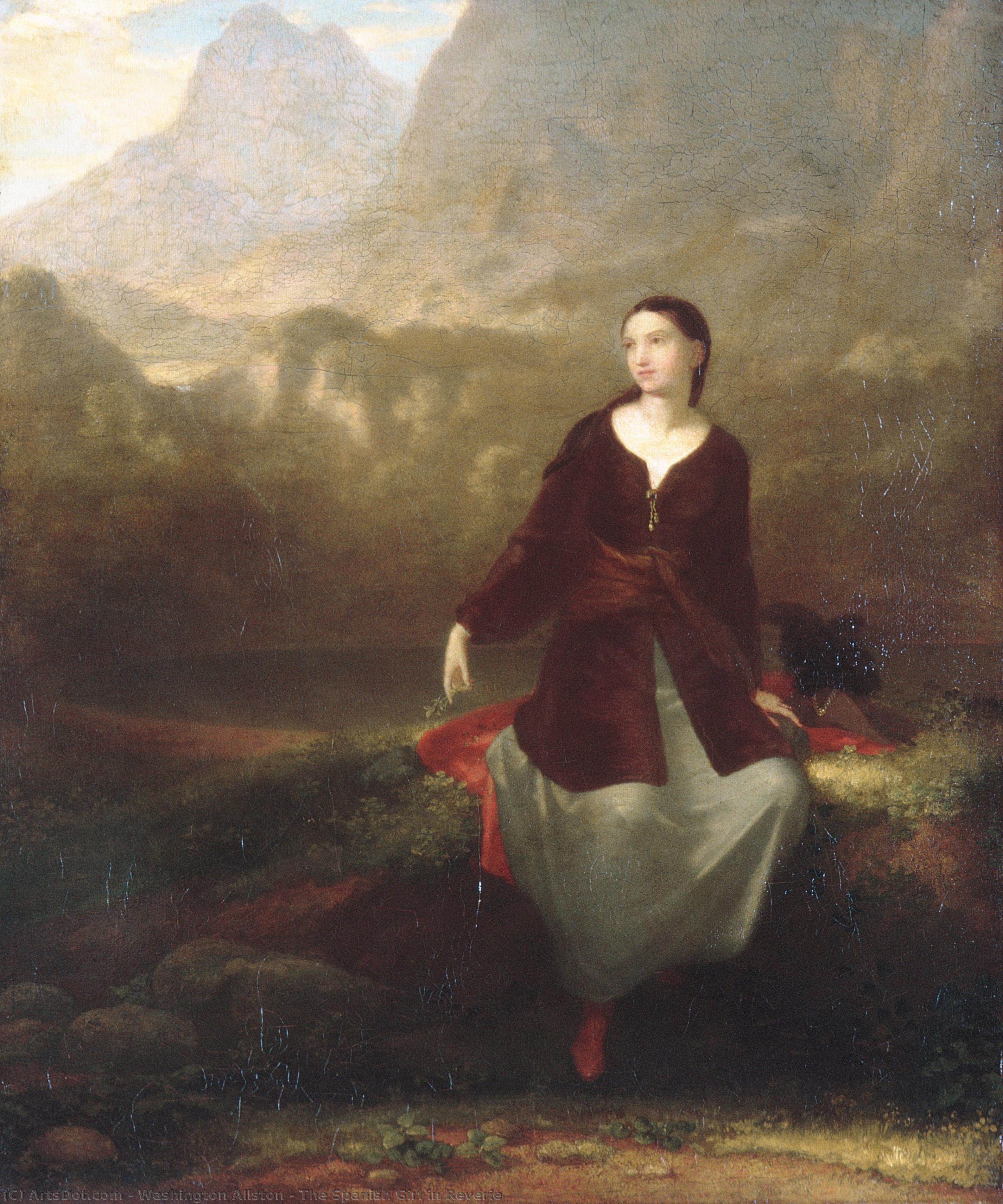
The Spanish Girl in Reverie
 Acrylic On Canvas
- WallArt
- Romanticism
 1831
1831 76.0 x 64.0 cm
 Metropolitan Museum of Art
 Read More
Purchase a high-resolution, enhanced digital image, far superior to the online preview.
Each file is meticulously prepared by our in-house specialists using advanced tools and expert manual retouching. We ensure every image has exceptional clarity, precise color accuracy, and fine detail.
The final file is delivered via email within 72 hours, optimized for immediate use in professional, editorial, and print environments. This is the same quality trusted by top-tier design studios, publishers, and galleries.
Digital Image
Download a high-resolution file for personal display, printing, and creative projects. ( Buy Print Buy Hand Made Painting)
Included in Every Digital Image Order
Expert Digital Delivery, Guaranteed
When you choose ArtsDot.com, you're not just getting an image - you're receiving a professionally enhanced digital artwork, crafted with precision and backed by a satisfaction guarantee. Here's everything that comes with your order, automatically:

Fast Email Delivery
Your high-resolution digital image file will be emailed to you within 72 hours of ordering - ready for immediate use.

AI-Enhanced Digital File
Your artwork is professionally optimized using advanced AI tools and manual editing, ensuring maximum detail, clarity, and color accuracy.

Free Lifetime Re-Delivery
Accidentally deleted or lost your file? No worries - we'll resend it to you anytime, free of charge.

No Import Fees - Ever
Enjoy your artwork instantly with zero customs, duties, or delivery fees - digital downloads are always tax-free.

Color Accuracy Guarantee
We ensure your digital image reflects the original colors as closely as possible using professional tools and color management.

60-Day Satisfaction Guarantee
If you're not satisfied with your digital image, we'll revise it or refund 100% within 60 days - no questions asked.

100% Money-Back Guarantee
Not satisfied? Get a full refund within 60 days of receiving your digital file - no questions asked.

Bulk Order Discounts
Buy 3 images, save 10% - Buy 5, save 15% - Buy 10+, save 20%. Great for creative projects, galleries, and agencies.
Collectible Description
A Moment Frozen in Time: The Story of “The Spanish Girl in Reverie”
Washington Allston’s “The Spanish Girl in Reverie,” painted in 1831, isn't merely a portrait; it’s a carefully constructed tableau of yearning, hope, and the profound melancholy inherent in waiting. This captivating work transcends simple representation, plunging the viewer into a deeply felt emotional landscape. Allston, a pioneer of American Romanticism, sought to capture not just what he saw but also the *feeling* of a scene – a skill that distinguishes his art from more literal depictions. The painting’s genesis lies in a poem, “Sweet Inez,” which tells the poignant story of a woman named Inez, awaiting her lover Isidore's return from war. This narrative thread imbues the image with an immediate sense of longing and vulnerability.
The central figure, a young Spanish woman, is rendered in a luminous style that became a hallmark of Allston’s work – a deliberate choice to elevate her to almost ethereal status. Her posture, arms outstretched as if embracing an unseen presence, speaks volumes about her internal state. She's positioned on a rocky precipice, seemingly suspended between the tangible world and a realm of dreams, further emphasizing the painting’s thematic core: the space between reality and imagination. The subtle shift in her facial expression – a fleeting blend of excitement, apprehension, and quiet contemplation – reveals the complex emotions swirling within her.
The Dematerialization of Landscape: Allston's Revolutionary Technique
What truly sets “The Spanish Girl in Reverie” apart is Allston’s innovative approach to landscape. He didn’t aim for a photographic representation; instead, he employed a technique known as “dematerialization,” meticulously layering diaphanous colors – blues, greens, and violets – over the underlying forms of the mountains. This created an effect of shimmering light and atmospheric depth, as if the solid rock itself were dissolving into mist. This wasn’t simply artistic flair; it was a deliberate attempt to evoke the feeling of distance and mystery, mirroring Inez's own emotional state.
The use of glazing – applying thin layers of translucent paint over dried underlayers – allowed Allston to build up incredible luminosity and subtle color variations. He masterfully manipulated light and shadow, creating a sense of both grandeur and intimacy within the vast landscape. The background mountains aren’t sharply defined; they seem to recede into an infinite distance, drawing the viewer's eye towards the central figure and amplifying her isolation.
Symbolism and Romantic Longing
Beyond its technical brilliance, “The Spanish Girl in Reverie” is rich with symbolic meaning. The red dress, a striking contrast against the muted tones of the landscape, could represent both passion and vulnerability – a potent combination reflecting Inez’s emotional turmoil. The handbag nearby hints at her everyday life, momentarily suspended as she dwells in this reverie. More broadly, the painting speaks to the universal experience of longing, loss, and the enduring power of hope amidst uncertainty. It resonates with themes prevalent in Romantic art: the beauty of nature, the intensity of human emotion, and the exploration of the subconscious.
Furthermore, Allston’s choice of a Spanish subject adds another layer to the painting's interpretation. Spain was often associated with exoticism and romance during the 19th century, contributing to the overall atmosphere of mystery and allure within the artwork. The image captures a moment of suspended time, inviting viewers to contemplate the complexities of love, loss, and the human spirit.
Bringing “The Spanish Girl in Reverie” Home
ArtsDot offers meticulously hand-painted reproductions of Washington Allston’s “The Spanish Girl in Reverie,” allowing you to experience this masterpiece firsthand. Our skilled artists faithfully recreate Allston's luminous style and atmospheric depth, ensuring that your reproduction captures the painting’s emotional power and artistic brilliance. Whether for a grand salon or a cozy study, a ArtsDot reproduction of "The Spanish Girl in Reverie" will serve as a timeless reminder of the enduring beauty of Romantic art.
Related Artworks
Artist Biography
A Pioneer of American Romanticism
Washington Allston, a name perhaps less immediately recognizable than some of his contemporaries, occupies a pivotal position in the development of American art. Born November 5, 1779, on a South Carolina rice plantation – a landscape that would subtly inform his later artistic sensibilities – Allston’s life was one of intellectual pursuit and aesthetic experimentation. His early years were marked by both privilege and complexity; the shadow of familial loss hung over him following his father's death during the Revolutionary War, and the realities of plantation life undoubtedly shaped his worldview. A solid education at Harvard College provided a foundation for his burgeoning artistic ambitions, but it was a journey to Europe in 1801 that truly ignited his creative spirit.European Influences and Artistic Formation
London became Allston’s crucible, where he entered the Royal Academy Schools under the tutelage of Sir Benjamin West, a prominent figure in British art and a key link between European traditions and American aspirations. This period was transformative. He immersed himself in the Old Masters, particularly the Venetian Renaissance artists whose mastery of light, color, and atmospheric perspective would profoundly influence his own style. Travel throughout Europe – Paris and Italy especially – exposed him to a wealth of artistic heritage and fostered intellectual connections with luminaries like Washington Irving and Samuel Taylor Coleridge. These friendships were not merely social; they represented a confluence of Romantic thought that permeated Allston’s work, imbuing it with literary and philosophical depth. He wasn't simply replicating what he saw; he was absorbing the spirit of an era defined by emotion, imagination, and a fascination with the sublime.A Distinctly American Voice
Upon his return to America in 1818, Allston settled in Cambridge, Massachusetts, and began to forge a distinctly American Romantic aesthetic. His paintings moved beyond mere representation, aiming instead to evoke emotional and spiritual responses in the viewer. He was often lauded as the “American Titian,” a testament to his stylistic kinship with the Venetian master, but this comparison doesn’t fully capture the originality of his vision. Works like "Storm Rising at Sea" and "Moonlit Landscape," both housed at the Museum of Fine Arts, Boston, exemplify his dramatic use of light and shadow, his ability to convey the power and mystery of nature, and his exploration of literary themes – particularly those drawn from biblical stories. He wasn’t simply painting landscapes; he was creating visual poems, imbued with a sense of awe and wonder. His unfinished masterpiece, “Belshazzar's Feast,” though never completed in his lifetime, stands as a testament to his ambition and his willingness to grapple with complex narratives and profound emotional states.Legacy and Enduring Influence
Washington Allston’s impact on American art extends far beyond his own body of work. He paved the way for future generations of landscape painters, influencing figures like Samuel F.B. Morse and inspiring the transcendentalist philosopher Ralph Waldo Emerson. His emphasis on emotional expression and dramatic composition helped shape a distinctly American Romantic aesthetic, one that celebrated the beauty and power of the natural world while also exploring the depths of human experience. The establishment of the Allston Club in Boston by William Morris Hunt further solidified his legacy, ensuring that his techniques and artistic vision were passed down to subsequent generations. Even today, the West Boston neighborhood of Allston stands as a lasting tribute to this pioneering artist, a reminder of his enduring contribution to American culture. He was more than just a painter; he was a visionary who helped define what it meant to be an American artist in the 19th century.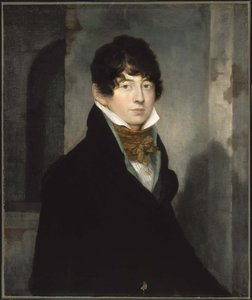
Washington Allston
1779 - 1843 , United States of America
Quick Facts
- Artistic Movement Or Style: Romanticism
- Artists Or Movements Influenced By This Artist:
- Samuel F.B. Morse
- Ralph Waldo Emerson
- Artists Who Influenced This Artist:
- Old Masters
- Benjamin West
- Date Of Birth: November 5, 1779
- Date Of Death: 1843
- Full Name: Washington Allston
- Nationality: American
- Notable Artworks:
- Storm Rising at Sea
- Moonlit Landscape
- Belshazzar's Feast
- Place Of Birth: Georgetown, USA

