

 Preview
 Send
Send Share
Share
 Details

 Download
 Similars
 X-Ray
X-Ray Diaporama
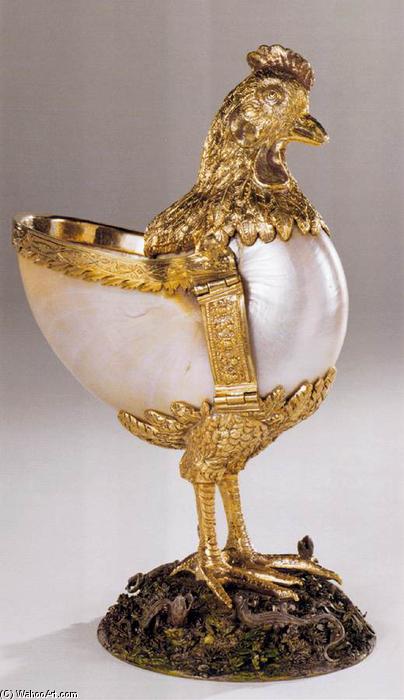
Nautilus Cup in the Form of a Chicken


 Read More
Purchase a high-resolution, enhanced digital image, far superior to the online preview.
Each file is meticulously prepared by our in-house specialists using advanced tools and expert manual retouching. We ensure every image has exceptional clarity, precise color accuracy, and fine detail.
The final file is delivered via email within 72 hours, optimized for immediate use in professional, editorial, and print environments. This is the same quality trusted by top-tier design studios, publishers, and galleries.
Digital Image
Download a high-resolution file for personal display, printing, and creative projects. ( Buy Print Buy Hand Made Painting)
Included in Every Digital Image Order
Expert Digital Delivery, Guaranteed
When you choose ArtsDot.com, you're not just getting an image - you're receiving a professionally enhanced digital artwork, crafted with precision and backed by a satisfaction guarantee. Here's everything that comes with your order, automatically:

Fast Email Delivery
Your high-resolution digital image file will be emailed to you within 72 hours of ordering - ready for immediate use.

AI-Enhanced Digital File
Your artwork is professionally optimized using advanced AI tools and manual editing, ensuring maximum detail, clarity, and color accuracy.

Free Lifetime Re-Delivery
Accidentally deleted or lost your file? No worries - we'll resend it to you anytime, free of charge.

No Import Fees - Ever
Enjoy your artwork instantly with zero customs, duties, or delivery fees - digital downloads are always tax-free.

Color Accuracy Guarantee
We ensure your digital image reflects the original colors as closely as possible using professional tools and color management.

60-Day Satisfaction Guarantee
If you're not satisfied with your digital image, we'll revise it or refund 100% within 60 days - no questions asked.

100% Money-Back Guarantee
Not satisfied? Get a full refund within 60 days of receiving your digital file - no questions asked.

Bulk Order Discounts
Buy 3 images, save 10% - Buy 5, save 15% - Buy 10+, save 20%. Great for creative projects, galleries, and agencies.
Collectible Description
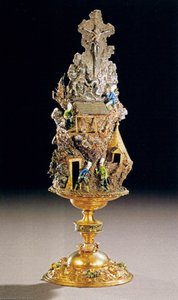
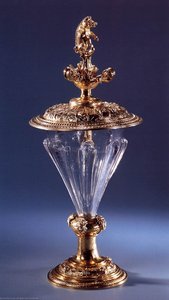
A Glimpse into Renaissance Opulence: Wenzel Jamnitzer's Nautilus Cup
Behold a breathtaking testament to 16th-century artistry – Wenzel Jamnitzer’s "Nautilus Cup in the Form of a Chicken," crafted around 1550. This extraordinary piece, now available as a meticulously hand-painted reproduction, transports viewers to the heart of the Northern Renaissance, showcasing the unparalleled skill and decorative ambition of one of Germany's most celebrated goldsmiths.
Subject & Style: A Fusion of Nature and Heraldry
The sculpture depicts a vibrant rooster perched atop an iridescent nautilus shell. This seemingly fantastical combination is deeply rooted in symbolism. The rooster, a powerful emblem of fertility, vigilance, and often associated with heraldic crests, sits proudly upon the natural beauty of the nautilus – a symbol of exploration, discovery, and the mysteries of the sea. Jamnitzer’s style embodies Northern Mannerism, characterized by its meticulous detail, realistic representation, and lavish ornamentation. The piece isn't merely representational; it is an elaborate display of artistic virtuosity designed to impress and delight.
Technique & Materials: Lost-Wax Casting Brilliance
Jamnitzer’s mastery shines through in the execution of this work. The primary technique employed was likely lost-wax casting, a complex process allowing for incredibly intricate details and sharp lines. The sculpture is predominantly crafted from gilded bronze, lending it a rich, warm golden hue (#FFD700). Accents of pearl white (#F8F8FF) highlight the shell’s luminescence, while dark green (#228B22) and bronze (#CD7F32) tones create a grounding base resembling moss or foliage. The combination of these materials – precious metals and natural elements – elevates the piece to an object of immense luxury and artistic significance.
Historical Context & Symbolism
Created during the reign of Holy Roman Emperors Charles V, Ferdinand I, Maximilian II, and Rudolf II, this Nautilus Cup reflects the era's fascination with classical antiquity, natural history, and elaborate displays of wealth. As court goldsmith to these emperors, Jamnitzer was at the forefront of artistic innovation, creating objects that served both functional and symbolic purposes. The cup itself would have been a prized possession, likely used in ceremonial settings or as a symbol of power and prestige. The rooster's association with royalty and good fortune further amplifies its significance.
Emotional Impact & Legacy
Viewing this sculpture evokes a sense of awe and wonder. The sheer level of detail, the interplay of light on the gold surface, and the symbolic richness combine to create an emotionally engaging experience. Wenzel Jamnitzer’s legacy extends beyond this single masterpiece; he established a family workshop that continued producing exceptional works for generations. Owning a reproduction of this Nautilus Cup allows you to bring a piece of Renaissance splendor into your home – a tangible connection to a period of artistic flourishing and enduring beauty.
Related Artworks




Artist Biography
Early Life & Family Legacy
Wenzel Jamnitzer (circa 1507 – December 19, 1585) emerged from a distinguished Moravian German family known for its artistic endeavors under various spellings—Jamnitzer, Jemniczer, Gemniczer, and Jamitzer. This lineage spanned over 160 years, producing remarkable artworks characterized by refined craftsmanship and stylistic innovation. Born in Vienna, Italy, Wenzel was the son of Hans Jamnitzer the Elder, a goldsmith who established a tradition of excellence that would continue through subsequent generations. His brother, Albrecht Jamnitzer, further solidified this family’s artistic reputation, shaping Wenzel's formative years within an environment steeped in artistic heritage.Training & Artistic Foundations
Wenzel’s artistic education commenced under the tutelage of his father and brother. This rigorous training instilled in him a profound understanding of goldsmithing techniques—a craft that demanded precision, artistry, and meticulous attention to detail. Notably, he studied alongside Euclid's Elements and Plato’s Timaeus, texts considered foundational for geometric reasoning and philosophical contemplation – influences that would profoundly shape his later artistic pursuits.Career as Court Goldsmith & Scientific Pursuits
Jamnitzer swiftly ascended to prominence in Nuremberg, securing positions as court goldsmith to several Holy Roman Emperors—Charles V, Ferdinand I, Maximilian II, and Rudolf II. This role afforded him unparalleled access to imperial patronage and enabled him to contribute significantly to the artistic landscape of his time. Beyond royal commissions, Jamnitzer demonstrated a remarkable commitment to advancing the guild’s knowledge base. His publication of “Perspectiva Corporum Regularium” in 1568 stands as a testament to this dedication—a groundbreaking treatise that meticulously documented the construction and properties of polyhedra using geometric principles.Notable Achievements & Artistic Style
Jamnitzer’s artistic style embodied the Northern Mannerist movement, characterized by its elegance, restraint, and intellectual depth. He skillfully blended Renaissance influences with innovative techniques—incorporating hardstones, shells, corals, and small birds' eggs into his sculptures and jewelry boxes. His magnum opus, arguably, was the Nautilus Cup (1550), a breathtaking golden sculpture depicting a rooster in exquisite detail, reflecting the grandeur of the Renaissance aesthetic. Furthermore, he served as coin die-cutter for Nuremberg and later as master of the city mint.Legacy & Recognition
Wenzel Jamnitzer’s influence extended beyond his own lifetime. He collaborated with Johann Gregor van der Schardt on sculptural projects, leaving an indelible mark on Nuremberg's artistic milieu. His tomb in St. John’s Cemetery is adorned with a bronze sculpture by Jost Amman, commemorating his life and achievements—a poignant reminder of a master craftsman whose legacy continues to inspire admiration for centuries.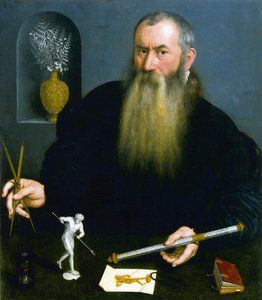
Wenzel Jamnitzer
1507 - 1585 , Italy
Quick Facts
- Artistic Movement Or Style: Northern Mannerism
- Artists Or Movements Influenced By This Artist: ['Renaissance Art']
- Artists Who Influenced This Artist: ['Plato']
- Date Of Birth: ca. 1507, Wien
- Date Of Death: 1585, Nürnberg
- Full Name: Wenzel Jamnitzer
- Nationality: German
- Notable Artworks:
- Nautilus Cup in the Form of a Chicken
- Mother Earth (or Merkel) table decoration
- Inkstand
- Place Of Birth: Vienna, Italy

