 Preview
 Send
Send Share
Share
 Details

 Download
 Similars
 X-Ray
X-Ray Diaporama
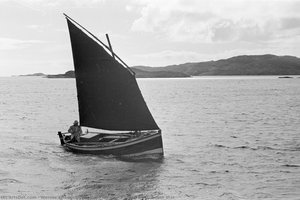
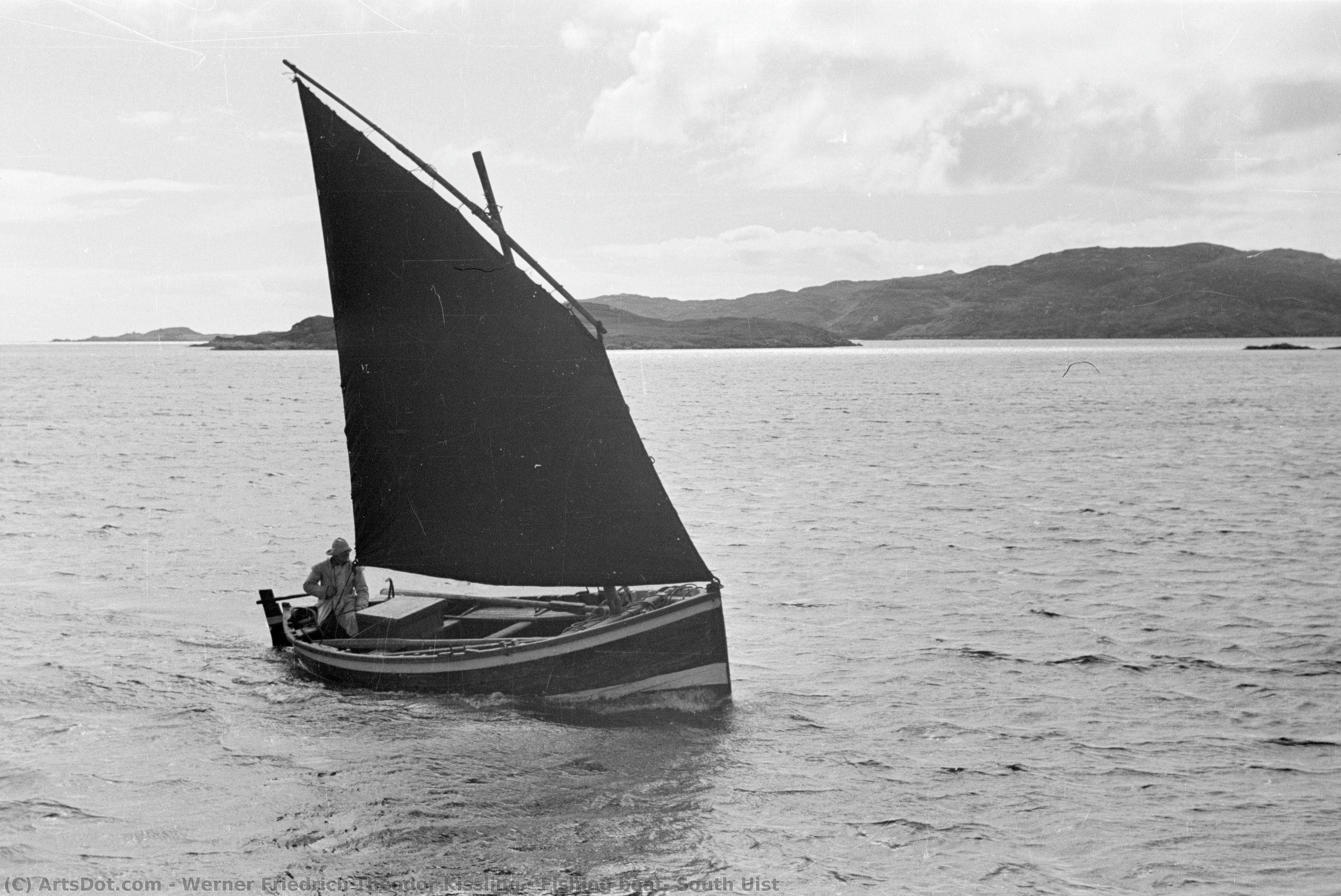
Fishing boat, South Uist

 Read More
Giclée / Art Print
Museum-quality giclée or canvas print with fast production and flexible finish options. ( Buy Hand Made Painting Buy Image)




































Pick from our preset sizes that match the artwork's original proportions.

You may enter your own dimensions to fit a specific frame or space. If your selected size does not match the original image's proportions, we will either crop the artwork or extend the image with a mirrored or solid-fill edge. A digital mockup will be sent for your approval before production begins.
Please note that the on-screen preview does not reflect the actual cropping or extension. Only the mockup will accurately show the final composition.
While custom sizes are available, we recommend selecting a dimension from the predefined list to preserve the original proportions.
Worldwide Delivery () in 2 weeks instead of standard 4/5 weeks. (2 September)

Free Worldwide Express Shipping

High-Quality Linen Canvas

Full Shipping Insurance

Customs Tax Refund Guarantee

True Color Matching Guarantee

60-Day Return Policy (Defects Only)

100% Money-Back Guarantee

Bulk Discount Offer
 Glass option is only available in size under 110 CM

Fishing boat, South Uist
Giclée / Art Print
Reproduction Size
-


Total Price
$ 63
Related Artworks






Artist Biography
Werner Kissling: Chronicler of Marginal Cultures
Werner Friedrich Theodor Kissling (1895-1988) stands as a singular figure in ethnographic photography, leaving behind an extraordinary archive that captures the essence of communities often overlooked by mainstream historical narratives. Born into Breslau’s aristocratic Kissling family—a lineage steeped in brewing tradition—Kissling’s life trajectory defied expectations, culminating in a quiet existence spent in Dumfries, Scotland, where he passed away peacefully at 92. His artistic vision wasn't driven by fame or fortune but by an unwavering dedication to documenting the traditions and crafts of societies on the periphery, offering invaluable perspectives into human experience across continents.- Early Life & Family Legacy: Kissling’s formative years were shaped by his mother, Johanna Kissling—herself a celebrated photographer—who instilled in him a profound appreciation for visual storytelling. Their shared passion for photography cemented their bond and established a familial tradition of artistic exploration.
- Education & Initial Career: He pursued formal studies at Breslau University, focusing on philology and archaeology, equipping him with the analytical skills necessary for his later ethnographic endeavors. Prior to dedicating himself fully to fieldwork, Kissling served as a soldier during World War I, gaining firsthand experience of societal upheaval and contributing to the Austro-Hungarian army’s photographic documentation efforts.
The Scottish Crofters & The Photographic Vision
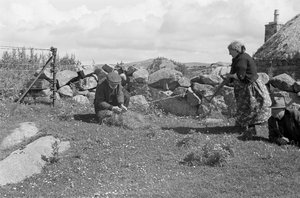
Kissling's most celebrated work centered around his meticulous observation and recording of the crofter communities inhabiting Eriskay and South Uist, islands off the coast of Scotland. Recognizing the importance of capturing daily life authentically, he eschewed staged portraits in favor of candid images that conveyed the spirit of these rural societies. His photographs—particularly “Making Hay Rope”—depict scenes of labor, craftsmanship, and social interaction with remarkable sensitivity. These images weren’t merely visual records; they were imbued with a humanist ethos, reflecting Kissling's belief in portraying subjects with dignity and respect. The influence of Pictorialism, a movement emphasizing artistic expression over strict realism, is evident in his compositional choices and tonal palette—a deliberate aesthetic decision that prioritized emotional resonance alongside factual accuracy.- Methodology: Kissling employed a Hasselblad camera equipped with a Rolleiflex lens, meticulously documenting the routines of crofters involved in agricultural tasks.
- Notable Images: “Making Hay Rope” exemplifies his commitment to capturing genuine human activity and conveying the textures and colors of rural Scotland.
Exploring Māori Culture & Beyond
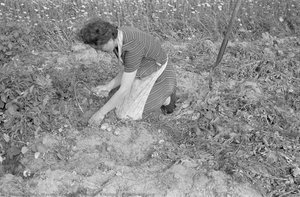
Expanding his scope beyond Scotland, Kissling embarked on expeditions to New Zealand, documenting the traditions and customs of the Māori people. His photographs—such as “Potato Digging”—capture the physicality of Māori agricultural practices alongside portraits of individuals embodying cultural identity. Like his Scottish work, Kissling’s approach prioritized capturing the essence of a culture rather than presenting idealized representations. He traveled extensively throughout Europe, documenting diverse communities in France and Italy.- New Zealand Project: Kissling's New Zealand photographs offer insights into Māori social structures and artistic expression.
North Yorkshire Life & Legacy
Kissling’s final years were spent in Dumfries, Scotland, where he cultivated a tranquil life centered around his family and interests. He continued to pursue photography sporadically, capturing glimpses of everyday life in his adopted home region. His enduring contribution lies not only in his photographic archive but also in his pioneering role as an ethnographer who championed the importance of documenting marginalized cultures with empathy and artistic integrity. Werner Kissling’s legacy continues to inspire photographers and scholars alike—a testament to the transformative power of visual storytelling and a celebration of human diversity.Historical Significance & Continuing Relevance
Kissling's work stands as an invaluable resource for historians and anthropologists studying rural communities in the early 20th century. His photographs provide tangible evidence of social practices, crafts, and daily life—information that would otherwise be lost to time. Furthermore, Kissling’s commitment to portraying subjects with dignity and respect aligns with contemporary ethical considerations regarding ethnographic research, demonstrating a pioneering spirit in prioritizing human compassion alongside scholarly rigor. His images remain relevant today as they serve as reminders of the importance of preserving cultural heritage and fostering understanding across cultures.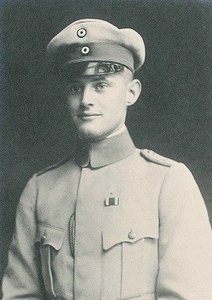
werner friedrich theodor kissling
1895 - 1988 , Germany
Quick Facts
- Artistic Movement Or Style: Ethnographic photography
- Artists Or Movements Influenced By This Artist: ['Scottish ethnography']
- Artists Who Influenced This Artist: ['Johanna Kissling']
- Date Of Birth: 1895-04-11
- Date Of Death: 1988-02-03
- Full Name: Werner Friedrich Theodor Kissling
- Nationality: German
- Notable Artworks:
- Making hay rope
- Potato digging
- Fishing boat, South Uist
- Place Of Birth: Breslau, Germany