 Preview
 Send
Send Share
Share
 Details

 Download
 Similars
 X-Ray
X-Ray Diaporama
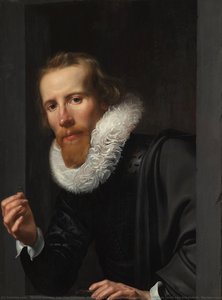
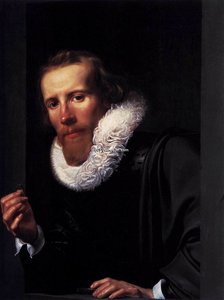
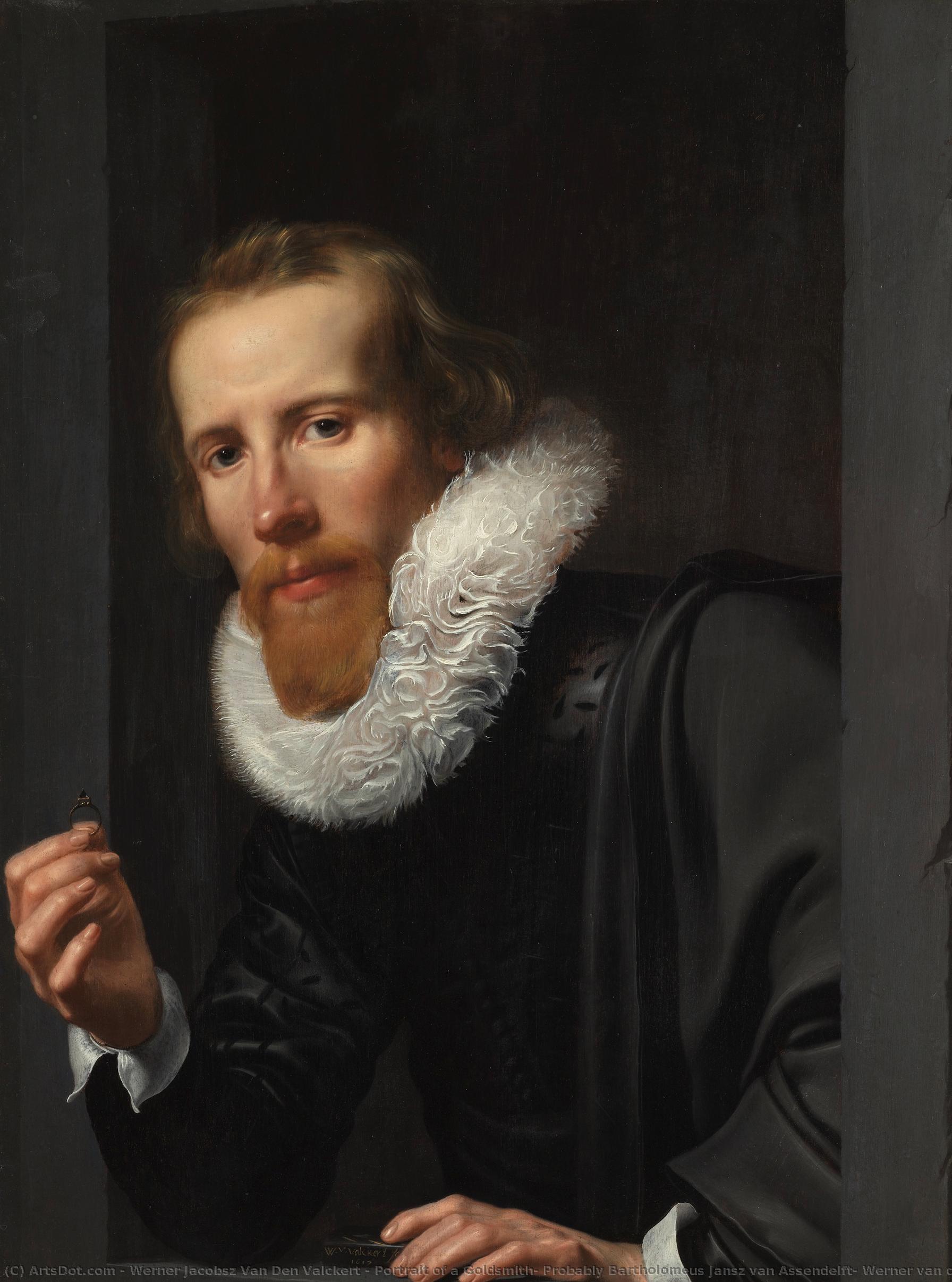
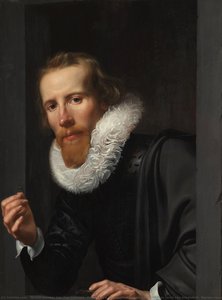
Portrait of a Goldsmith, Probably Bartholomeus Jansz van Assendelft, Werner van den Valckert, 1617
 1617
1617 66.0 x 50.0 cm
 Read More
Hand Made Oil Reproduction
Hand-painted oil on canvas in your size and frame, made to order by our artists. ( Buy Print Buy Image)




































Pick from our preset sizes that match the artwork's original proportions.

You may enter your own dimensions to fit a specific frame or space. If your selected size does not match the original image's proportions, we will either crop the artwork or extend the painting with additional hand-painted elements. A digital mockup will be sent for your approval before production begins.
Please note that the on-screen preview does not reflect the actual cropping or extension. Only the mockup will accurately show the final composition.
While custom sizes are available, we recommend selecting a dimension from the predefined list to preserve the original proportions.
After order, ArtsDot.com team will email client for instructions and provide a mockup preview
Worldwide Delivery () in 3/4 weeks instead of standard 5 weeks. (24 August). No compromise on quality.

Free Worldwide Express Shipping

High-Quality Linen Canvas

Full Shipping Insurance

Customs Tax Refund Guarantee

True Color Matching Guarantee

60-Day Return Policy (Defects Only)

100% Money-Back Guarantee

Bulk Discount Offer
 Glass option is only available in size under 110 CM

Portrait of a Goldsmith, Probably Bartholomeus Jansz van Assendelft, Werner van den Valckert, 1617
Reproduction Medium
Reproduction Size
-


Total Price
$ 263
Artwork Description
Related Artworks







Artist Biography
The Enigmatic Master of the Dutch Golden Age
Werner Jacobsz van den Valckert remains a captivating and somewhat enigmatic figure within the illustrious annals of the Dutch Golden Age. Born around 1585 in The Hague, his early life was shaped by a lineage of craftsmanship; he was likely the son of Hendrik Jacobsz van den Valkt and Maria Jansdr. His artistic journey was profoundly influenced by his father-in-law, Cornelis Sybertsz Monicx van Montvoort, a celebrated stained-glass painter. This connection to the decorative arts instilled in Van den Valckert a lifelong reverence for meticulous detail and a profound appreciation for the art of visual storytelling, qualities that would later define his mature style.
As the artistic fervor of Haarlem and Amsterdam began to surge, so too did the ambitions of this young talent. Seeking to refine his skills, Van den Valert studied under the legendary Hendrik Goltzius. This mentorship proved transformative, particularly in the realm of printmaking. The innovative etching techniques pioneered by Goltzius left an indelible mark on Van den Valckert’s approach, allowing him to produce a prolific and precise output of engravings. These prints were not merely secondary exercises but served as vital artistic statements that informed the composition and depth of his oil paintings.
A Life Anchored in Amsterdam
Around 1605, Van den Valckert relocated to the bustling metropolis of Amsterdam, a move that would place him at the very heart of the Northern Renaissance's evolution. It was here that he solidified his social and professional standing through his marriage to Jannetje Cornelis, the daughter of Monicx van Montvoort. This union did more than provide personal stability; it embedded him deeply within the vibrant artistic milieu of the city, granting him access to a network of patrons and peers that fueled his creative output during the most productive years of his life.
His work during this period reflects the shifting tides of the Baroque movement. Van den Valckert possessed a remarkable ability to balance the clarity of form with a burgeoning sense of dramatic composition. Whether he was capturing the psychological depth of a single sitter or the complex social hierarchies within a group portrait, his hand was marked by a certain luminous quality. His mastery of flesh tones—built up with a rich palette of hues that seem to glow from within—became a hallmark of his technique, inviting the viewer into a space of heightened realism and emotional resonance.
Legacy of Light and Humanism
The breadth of Van den Valckert’s oeuvre is as varied as it is impressive, spanning historical allegories, mythological subjects, and intimate genre scenes. He was an artist capable of navigating the grand scale of monumental works, such as his Schuttersstuk depicting Albert Burgh before the Amsterdam civic guards, while also finding profound beauty in the quietude of everyday life. His paintings often breathed with humanist ideals, seeking to find the divine or the classical within the human condition.
Among his most enduring contributions to the art world are works that showcase his ability to blend symbolism with technical prowess:
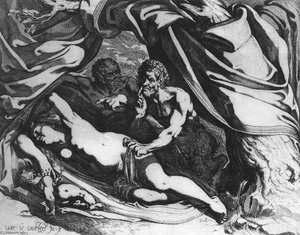
- Sleeping Venus: A serene and evocative depiction of classical beauty that reflects the era's fascination with mythological grace.
- Portrait of a Goldsmith: Likely depicting Bartholomeus Jansz van Assendelft, this 1617 masterpiece utilizes symbolic objects like a gold ring and touchstone to weave a narrative of professional identity and precision.
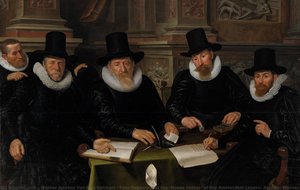
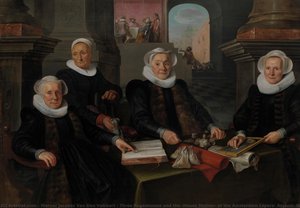
- Regent Portraits: His poignant group portraits for the Amsterdam Lepers’ Asylum, such as those featuring the Three Regentesses, demonstrate his skill in capturing the dignity and social responsibility of the period's governing bodies.
Though his life ended around 1635, leaving behind a legacy that continues to intrigue historians, Werner Jacobsz van den Valckert’s impact on the Dutch tradition is undeniable. Through his delicate touch, his command of light, and his ability to render the textures of both the mundane and the mythic, he helped craft the visual language of an era defined by its pursuit of truth, beauty, and prosperity.
werner jacobsz van den valckert
1580 - 1627 , Netherlands
Quick Facts
- Artistic Movement Or Style: Baroque
- Artists Or Movements Influenced By This Artist: ['Dutch Golden Age']
- Artists Who Influenced This Artist: ['Hendrik Goltzius']
- Date Of Birth: ca. 1585
- Date Of Death: after 1635
- Full Name: Werner Jacobsz van den Valckert
- Nationality: Dutch
- Notable Artworks:
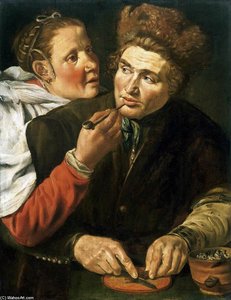
- A Man Cutting Tobacco
- Portrait of a Goldsmith
- Place Of Birth: The Hague, Netherlands