 Preview
 Send
Send Share
Share
 Details

 Download
 Similars
 X-Ray
X-Ray Diaporama
 Stats
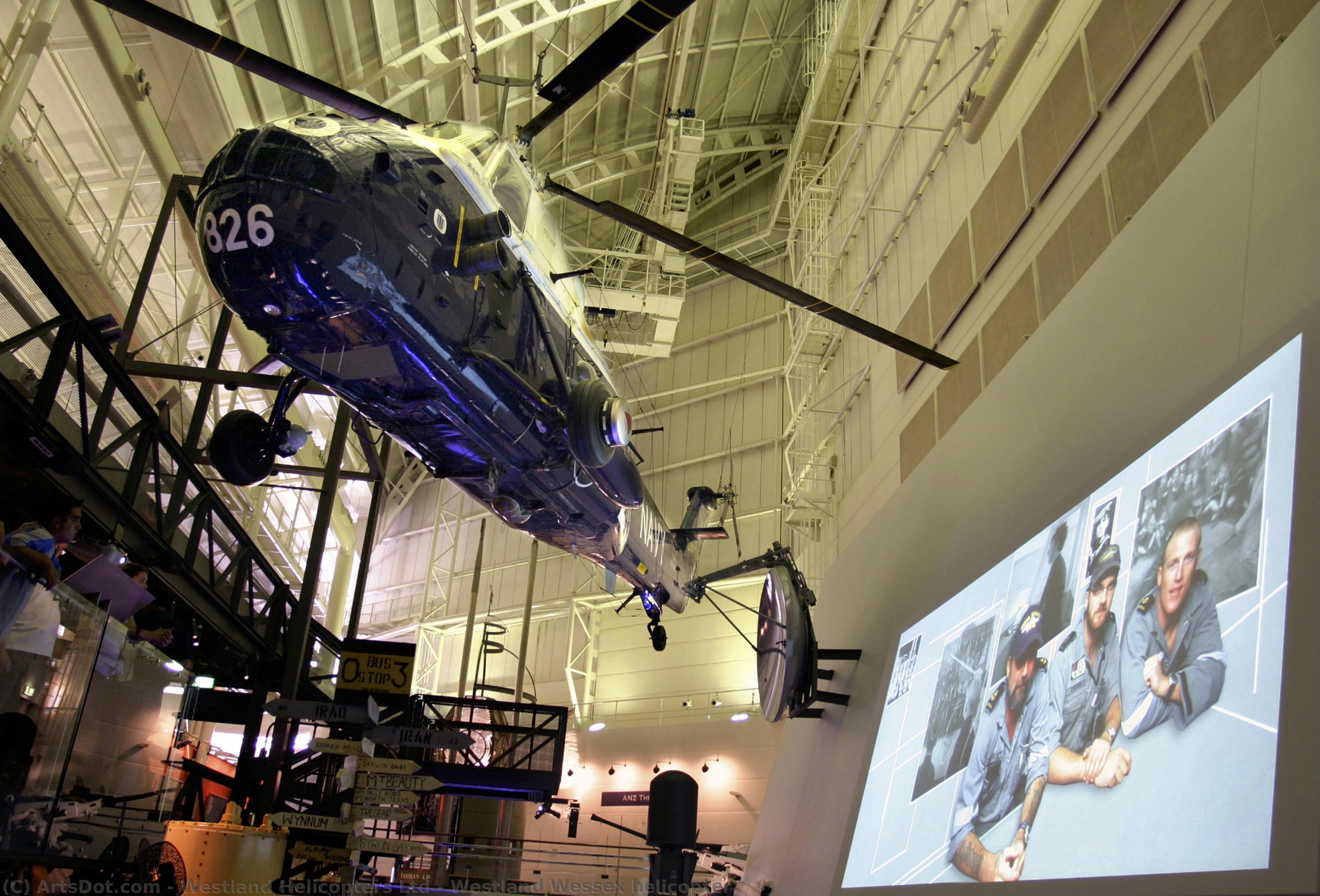
StatsWestland Wessex helicopter

 Read More
Hand Made Oil Reproduction
Hand-painted oil on canvas in your size and frame, made to order by our artists. ( Switch to Print Switch to Digital Image)




































Pick from our preset sizes that match the artwork's original proportions.

You may enter your own dimensions to fit a specific frame or space. If your selected size does not match the original image's proportions, we will either crop the artwork or extend the painting with additional hand-painted elements. A digital mockup will be sent for your approval before production begins.
Please note that the on-screen preview does not reflect the actual cropping or extension. Only the mockup will accurately show the final composition.
While custom sizes are available, we recommend selecting a dimension from the predefined list to preserve the original proportions.
After order, ArtsDot.com team will email client for instructions and provide a mockup preview
Worldwide Delivery () in 3/4 weeks instead of standard 5 weeks. (9 September). No compromise on quality.

Free Worldwide Express Shipping

High-Quality Linen Canvas

Full Shipping Insurance

Customs Tax Refund Guarantee

True Color Matching Guarantee

100-Day Return Policy (Defects Only)

100% Money-Back Guarantee

Bulk Discount Offer
 Glass option is only available in size under 110 CM

Westland Wessex helicopter
Reproduction Medium
Reproduction Size
-


Total Price
$ 263
Related Artworks










Artist Biography
The Pioneering Spirit of Westland Helicopters Ltd.
Westland Helicopters Ltd., a name synonymous with British aviation innovation, wasn't simply a manufacturer; it was an embodiment of relentless pursuit in rotary-wing flight. Its story is one woven into the very fabric of post-war Britain, reflecting a nation rebuilding and striving for technological independence. Founded in 1935 as Westland Aircraft Works, initially focused on building licensed versions of Sikorsky helicopters, the company quickly evolved from assembler to designer and producer of some of the most iconic helicopters ever conceived. The early years were defined by mastering existing technologies, but the ambition to create uniquely British designs soon took root, fueled by a growing demand for versatile aircraft in both military and civilian sectors. This period saw collaborations with prominent engineers and designers, laying the groundwork for Westland’s future successes.From Licensed Builds to Independent Innovation
The immediate post-World War II era presented unique challenges and opportunities. Recognizing the potential of helicopters in search and rescue, anti-submarine warfare, and general transport, Westland secured licenses to produce Sikorsky models like the S-51 Dragonfly. However, these were viewed as stepping stones. The company’s engineers began exploring their own designs, culminating in the Wasp helicopter in the late 1950s. This marked a pivotal moment – the transition from licensed production to independent design and manufacturing. The Wasp, initially developed for naval applications, proved remarkably successful, becoming a mainstay of Royal Navy operations for decades. It was compact, agile, and capable, perfectly suited for shipboard deployment and anti-submarine duties. The success of the Wasp wasn’t merely technical; it demonstrated Westland's ability to understand operational needs and translate them into effective engineering solutions. This focus on user requirements would become a defining characteristic of their approach.A Legacy of Versatility: The Scout, Wessex, and Lynx
The 1960s and 70s witnessed an explosion of innovation from Westland. The Scout helicopter, designed for battlefield reconnaissance and light transport, showcased the company’s expertise in lightweight construction and maneuverability. Simultaneously, the larger Wessex, a twin-engine development of the Sikorsky S-58, became a workhorse for both military and civilian operators, excelling in troop transport, search and rescue, and offshore oil support. However, it was the Lynx helicopter that truly cemented Westland’s reputation as a world leader in rotary-wing technology. The Lynx, entering service in 1971, was a sophisticated multi-role aircraft boasting advanced avionics, powerful engines, and exceptional performance. Its ability to operate effectively from small ships, coupled with its anti-submarine warfare capabilities, made it a highly sought-after platform globally. These three helicopters – Scout, Wessex, and Lynx – represented the pinnacle of Westland’s design philosophy: versatility, reliability, and adaptability.Challenges, Mergers, and Continued Evolution
Despite its successes, Westland Helicopters faced increasing challenges in the 1980s. The global helicopter market became increasingly competitive, and securing funding for new development programs proved difficult. The company’s attempted merger with Sikorsky in the early 1980s was fraught with political complications and ultimately failed. This period saw a shift towards international collaborations to share costs and risks. In 1994, Westland Helicopters merged with Agusta (Italy) to form AgustaWestland, marking a new chapter in its history. While the Westland name eventually faded from prominence as part of subsequent mergers and acquisitions – becoming Leonardo Helicopters – the legacy of innovation continued. The technologies and expertise developed by Westland Helicopters continue to influence helicopter design today, shaping the capabilities of modern rotary-wing aircraft used around the world. The spirit of British engineering ingenuity that defined Westland remains a powerful force in the aviation industry.Historical Significance and Enduring Impact
Westland Helicopters Ltd.’s contribution extends far beyond simply building machines. It fostered a culture of innovation, attracting some of the brightest minds in aerospace engineering. The company played a crucial role in developing advanced technologies like fly-by-wire control systems, composite materials, and sophisticated avionics suites – advancements that revolutionized helicopter design globally. Its helicopters were instrumental in numerous military conflicts and humanitarian operations, providing vital support in search and rescue missions, anti-submarine warfare, troop transport, and disaster relief efforts. The Lynx, in particular, became a symbol of British naval aviation prowess. Furthermore, Westland’s commitment to civilian applications helped establish the helicopter as an indispensable tool for offshore oil exploration, emergency medical services, and corporate transportation.- Pioneered lightweight helicopter design with the Scout.
- Established a reputation for versatility with the Wessex.
- Revolutionized naval aviation with the Lynx’s advanced capabilities.
- Fostered a culture of innovation in aerospace engineering.