

 Preview
 Send
Send Share
Share
 Details

 Download
 Similars
 X-Ray
X-Ray Diaporama
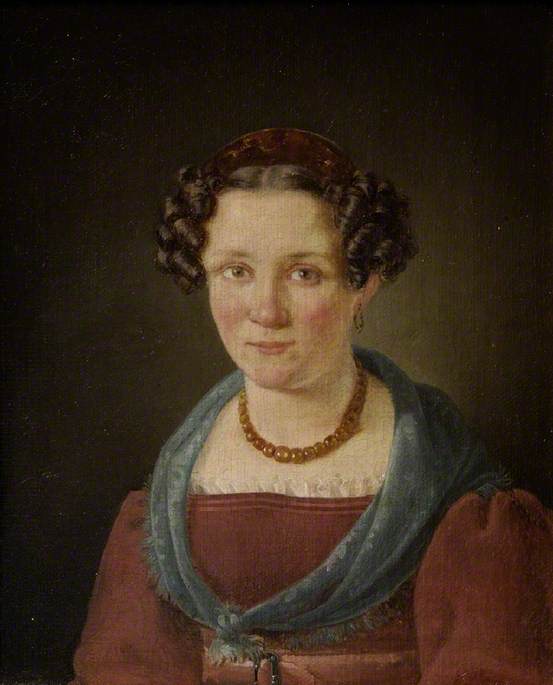
Portrait of a Woman
 Oil On Canvas
- WallArt
- Danish Golden Age
 23.0 x 19.0 cm
 Fitzwilliam College
 Read More
Purchase a high-resolution, enhanced digital image, far superior to the online preview.
Each file is meticulously prepared by our in-house specialists using advanced tools and expert manual retouching. We ensure every image has exceptional clarity, precise color accuracy, and fine detail.
The final file is delivered via email within 72 hours, optimized for immediate use in professional, editorial, and print environments. This is the same quality trusted by top-tier design studios, publishers, and galleries.
Digital Image
Download a high-resolution file for personal display, printing, and creative projects. ( Buy Print Buy Hand Made Painting)
Included in Every Digital Image Order
Expert Digital Delivery, Guaranteed
When you choose ArtsDot.com, you're not just getting an image - you're receiving a professionally enhanced digital artwork, crafted with precision and backed by a satisfaction guarantee. Here's everything that comes with your order, automatically:

Fast Email Delivery
Your high-resolution digital image file will be emailed to you within 72 hours of ordering - ready for immediate use.

AI-Enhanced Digital File
Your artwork is professionally optimized using advanced AI tools and manual editing, ensuring maximum detail, clarity, and color accuracy.

Free Lifetime Re-Delivery
Accidentally deleted or lost your file? No worries - we'll resend it to you anytime, free of charge.

No Import Fees - Ever
Enjoy your artwork instantly with zero customs, duties, or delivery fees - digital downloads are always tax-free.

Color Accuracy Guarantee
We ensure your digital image reflects the original colors as closely as possible using professional tools and color management.

60-Day Satisfaction Guarantee
If you're not satisfied with your digital image, we'll revise it or refund 100% within 60 days - no questions asked.

100% Money-Back Guarantee
Not satisfied? Get a full refund within 60 days of receiving your digital file - no questions asked.

Bulk Order Discounts
Buy 3 images, save 10% - Buy 5, save 15% - Buy 10+, save 20%. Great for creative projects, galleries, and agencies.
Collectible Description
A Moment Frozen in Time: Wilhelm Ferdinand Bendz’s “Portrait of a Woman”
Wilhelm Ferdinand Bendz's "Portrait of a Woman," painted circa 1824, is more than just a likeness; it’s a carefully constructed tableau of quiet dignity and subtle emotion. This intimate portrait, now housed at the Fitzwilliam Museum in Cambridge, offers a glimpse into the burgeoning artistic circles of early 19th-century Denmark – a period marked by both Romantic idealism and a growing interest in capturing the nuances of everyday life. Bendz, a student of the renowned Christoffer Wilhelm Eckersberg, skillfully balances formal training with a distinctly personal style, evident in his masterful use of light and shadow to draw the viewer into the subject’s gaze.
The painting depicts a young woman, her identity deliberately obscured, yet radiating an undeniable sense of composure. She is positioned within a modestly furnished interior – a dark background emphasizing the softness of the light falling upon her face and dress. The palette is restrained, dominated by muted browns, creams, and blues, creating a harmonious and almost melancholic atmosphere. Bendz’s technique reveals a meticulous attention to detail; observe the delicate rendering of the fabric folds in her gown, the subtle play of light on her skin, and the careful brushstrokes that define her features. The composition is remarkably balanced, drawing the eye directly to her face – an expression of quiet contemplation, hinting at thoughts and experiences beyond the frame.
The Danish Golden Age and Artistic Influences
To understand “Portrait of a Woman,” it’s crucial to situate Bendz within the context of the Danish Golden Age. This period (roughly 1800-1840) witnessed an unprecedented flourishing of art, fueled by patronage from the royal family and a renewed interest in classical ideals. Eckersberg, Bendz's mentor, played a pivotal role in shaping this artistic landscape, advocating for a more naturalistic approach to painting – moving away from the rigid conventions of earlier eras. However, Bendz’s work also reveals influences from contemporary German painting, particularly the Munich School, which emphasized dramatic lighting and emotional intensity. This fusion of Danish idealism and German dynamism is what gives Bendz's portraits their unique character.
Bendz’s early life was marked by a tragic brevity. Born in Odense in 1804, he tragically died in Vicenza in 1832 at the age of 27. This premature death cut short a promising career, leaving behind a relatively small but remarkably accomplished body of work. Despite his limited output, Bendz’s portraits are celebrated for their psychological depth and technical brilliance – qualities that continue to resonate with viewers today.
Symbolism and Emotional Resonance
While the subject's identity remains enigmatic, her pose and expression invite interpretation. She is not presented as a dazzling beauty but rather as a woman of quiet strength and introspection. The dark background serves to heighten the sense of intimacy, drawing attention to her face and creating an aura of mystery. Some art historians suggest that the painting may be interpreted as a meditation on female virtue and resilience – qualities highly valued during this period.
The subtle details—the pearl necklace, the simple dress—speak volumes about her social standing and personal values. The overall effect is one of understated elegance and profound emotional depth. Bendz masterfully captures not just a likeness but also a fleeting moment of human experience – a silent conversation between subject and viewer.
A Timeless Masterpiece: Reproductions and Beyond
Reproductions of “Portrait of a Woman” offer an accessible way to appreciate the artistry of Wilhelm Ferdinand Bendz. Whether displayed in a private residence or a corporate setting, this painting’s evocative atmosphere and technical skill will undoubtedly captivate viewers. Consider framing options that complement the artwork's muted palette – warm wood tones or neutral colors would create a harmonious backdrop. The painting’s inherent beauty and historical significance make it an ideal choice for collectors seeking a piece of Danish art history with enduring appeal.
Related Artworks
Artist Biography
Wilhelm Ferdinand Bendz: A Brief Biography
- Born: March 20, 1804, Odense, Denmark
- Died: November 14, 1832, Vicenza, Austrian Empire (present-day Italy)
- Nationality: Danish
- Movement: Danish Golden Age
Early Life and Artistic Training
- Bendz was born in Odense on the island of Funen. At a young age, he demonstrated artistic talent and was sent to Copenhagen for formal training.
- From 1820 to 1825, he studied at the Royal Danish Academy of Fine Arts under Christoffer Wilhelm Eckersberg, a pivotal figure in Danish painting.
- In 1825, Bendz attempted to win the prestigious gold medal for history painting but was unsuccessful. Subsequently, he focused on portraits and genre scenes.
- He likely absorbed influences from contemporary German painting, particularly the Munich School, which impacted his artistic style.
Career Highlights and Artistic Development
- Following graduation, Bendz exhibited regularly at Charlottenborg, gaining recognition for his works. The Royal Painting Collection acquired several of his paintings, including "Model Class at the Art Academy," "A Young Artist Looking at a Sketch Through a Mirror," and “A Sculptor Working with a Live Model.”
- He served as an assistant in Eckersberg's studio, undertaking tasks like reconstructing historical paintings and creating copies.
- In 1830, Bendz received a travel scholarship that allowed him to journey through Southern Europe. He spent approximately a year in Munich, a vibrant artistic center at the time.
- His most significant work from this period is "Artist in the Evening at Finck's Coffee House in Munich," a group portrait showcasing his evolving style and observational skills.
Artistic Style and Influences
- Influences: Bendz was heavily influenced by Christoffer Wilhelm Eckersberg, adopting his emphasis on direct observation, precise rendering, and clarity of composition. The Munich School also played a role in shaping his artistic vision.
- Style Characteristics: His paintings are characterized by sophisticated lighting, complex compositions, and realistic portrayals of everyday life, particularly scenes involving artists and their colleagues. He excelled at depicting indoor settings with careful attention to light and shadow.
- Technical Virtuosity: Bendz demonstrated technical virtuosity in his depictions of light sources and the resulting shadows, adding depth and realism to his works.
Legacy and Historical Significance
- Despite a relatively short career cut short by his early death at age 28, Wilhelm Ferdinand Bendz is remembered as one of the most talented artists of his generation.
- His paintings offer valuable insights into the artistic circles and daily lives of Danish artists during the Golden Age.
- Bendz’s ability to blend portraiture, genre scenes, and allegorical elements showcases his ambition and artistic versatility.
- Key works like "Artist in the Evening at Finck's Coffee House in Munich" continue to be admired for their technical skill and intimate portrayal of artistic life.
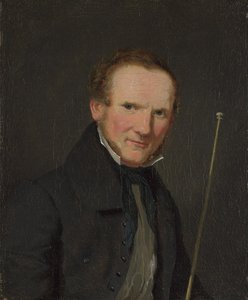
Wilhelm Ferdinand Bendz
1804 - 1832 , Denmark
Quick Facts
- Artistic Movement Or Style: Danish Golden Age
- Artists Who Influenced This Artist: ['Christoffer Wilhelm Eckersberg']
- Date Of Birth: March 20, 1804
- Date Of Death: November 14, 1832
- Full Name: Wilhelm Ferdinand Bendz
- Nationality: Danish
- Notable Artworks:
- A Tobacco Party
- Artist in the Evening at Finck’s
- Model Class at the Art Academy
- Place Of Birth: Odense, Denmark

