 Preview
 Send
Send Share
Share
 Details

 Download
 Similars
 X-Ray
X-Ray Diaporama
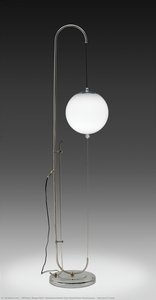
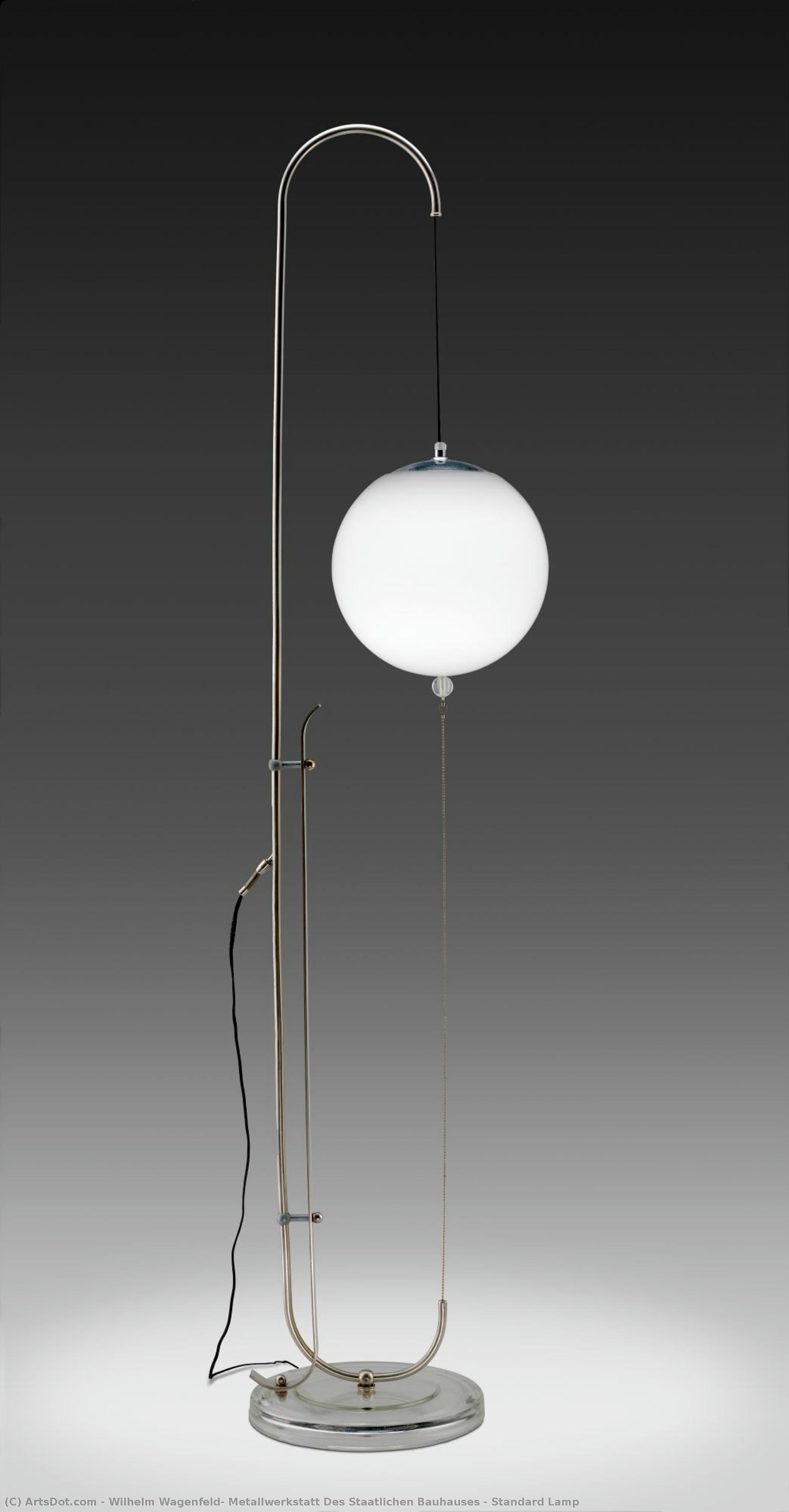
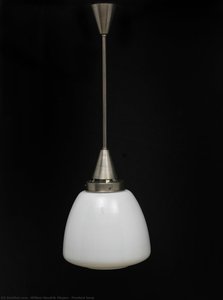
Standard Lamp


 Read More
Giclée / Art Print
Museum-quality giclée or canvas print with fast production and flexible finish options. ( Buy Hand Made Painting Buy Image)




































Pick from our preset sizes that match the artwork's original proportions.

You may enter your own dimensions to fit a specific frame or space. If your selected size does not match the original image's proportions, we will either crop the artwork or extend the image with a mirrored or solid-fill edge. A digital mockup will be sent for your approval before production begins.
Please note that the on-screen preview does not reflect the actual cropping or extension. Only the mockup will accurately show the final composition.
While custom sizes are available, we recommend selecting a dimension from the predefined list to preserve the original proportions.
Worldwide Delivery () in 2 weeks instead of standard 4/5 weeks. (22 August)

Free Worldwide Express Shipping

High-Quality Linen Canvas

Full Shipping Insurance

Customs Tax Refund Guarantee

True Color Matching Guarantee

60-Day Return Policy (Defects Only)

100% Money-Back Guarantee

Bulk Discount Offer
 Glass option is only available in size under 110 CM

Standard Lamp
Giclée / Art Print
Reproduction Size
-


Total Price
$ 63
Collectible Description
Related Artworks






Artist Biography
The Architect of Minimalist Elegance
Wilhelm Wagenfeld (1900-1990) stands as a cornerstone figure in German industrial design, celebrated for his unwavering commitment to functionality and timeless beauty—principles deeply rooted in the Bauhaus ethos. Born in Bremen, Germany, Wagenfeld’s formative years instilled within him a profound appreciation for craftsmanship and precision, shaping his artistic vision throughout his prolific career. His early training encompassed silversmithing and drawing, disciplines that honed his understanding of material properties and design aesthetics—skills he would later translate into groundbreaking innovations that continue to resonate in the modern home.
His intellectual journey began at the Bremen Kunstgewerbeschule, where he absorbed the radical teachings of prominent Bauhaus luminaries such as Walter Gropius, Marcel Breuer, and László Moholy-Nagy. These mentors championed a revolutionary approach to design: one that prioritized geometric forms, rational construction, and the deliberate elimination of superfluous ornamentation. This period of intense study provided the philosophical foundation for his belief that an object's true value lies in its utility and the seamless marriage of art and industry.
The Bauhaus Legacy and the Mastery of Light
Wagenfeld’s enrollment at the Bauhaus in Weimar between 1923 and 1925 proved pivotal, cementing his allegiance to modernist ideals. Under the direct guidance of László Moholy-Nagy in the metal workshop, he explored experimental techniques for manipulating light and material. It was during this era of intense creativity that he conceived the iconic WG 24 lamp in 1926 (often referred to as the Bauhaus Lamp). This masterpiece, characterized by its clear geometric form and the sophisticated use of glass and metal, embodies the very essence of functional aesthetics. The lamp remains a true classic, still faithfully produced today as a testament to his ability to create objects that transcend fleeting trends.
His role at the Metallwerkstatt des Staatlichen Bauhauses solidified his reputation as both a master craftsman and a visionary designer. Within this workshop, he spearheaded the production of numerous groundbreaking objects, ranging from intricate glassware to essential tableware. His work was never merely about decoration; it was about the profound relationship between individuals and the objects that surround them. As Wagenfeld himself famously suggested, while form is a vital component, the true soul of an object is found in its use—the way it integrates into the rhythm of daily life and contributes to the development of culture.
A Prolific Career and Enduring Influence
Following the closure of the Bauhaus in Weimar, Wagenfeld’s career transitioned into a period of significant industrial impact. Moving through various roles, including serving as an assistant in the metal workshop at the State Academy for Handicrafts and Architecture, he eventually emerged as a highly successful freelance designer and consultant. He collaborated with some of the most prestigious names in German industry, such as Jenaer Glaswerk Schott & Gen., Rosenthal, Braun GmbH, and WMF. Through these partnerships, his designs for glassware, tea sets, and dinnerware reached a global audience, bringing high-quality modernist design to the masses.
The historical significance of Wagenfeld’s work is reflected in the numerous accolades he received, including the Grand Prix at the Milan Trienale in 1957 and the Bundespreis Gute Form. His legacy is preserved not only in the collections of prestigious institutions like the Museum of Modern Art in New York and the V&A in London but also in the very fabric of contemporary living. His ability to achieve widespread recognition through functional excellence ensured that his name would remain synonymous with the pinnacle of 20th-century industrial design.
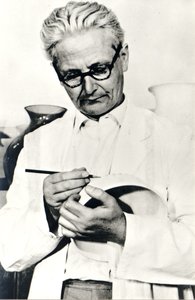
wilhelm wagenfeld; metallwerkstatt des staatlichen bauhauses
1900 - 1990 , Germany
Quick Facts
- Artistic Movement Or Style: Bauhaus
- Artists Who Influenced This Artist:
- Christian Dell
- László Moholy-Nagy
- Date Of Birth: April 15, 1900
- Full Name: Wilhelm Wagenfeld
- Nationality: German
- Notable Artworks:
- Diana hanging lights
- Kubus
- K
- Place Of Birth: Bremen, Germany