 Preview
 Send
Send Share
Share
 Details

 Download
 Similars
 X-Ray
X-Ray Diaporama
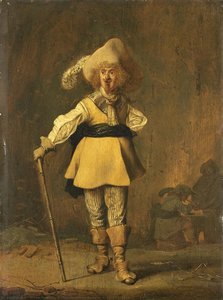
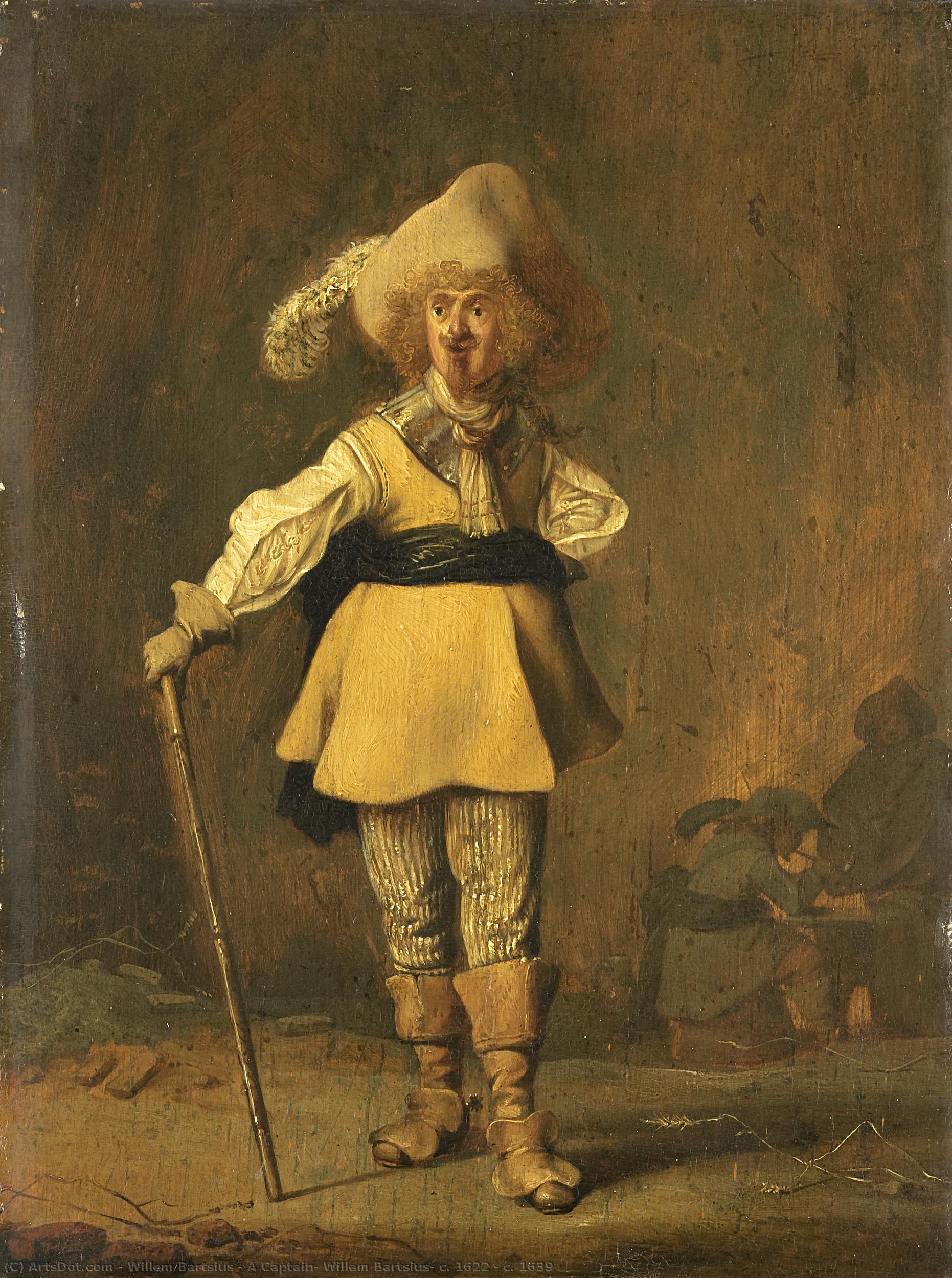
A Captain, Willem Bartsius, c. 1622 - c. 1639
 1639
1639 39.0 x 29.0 cm
 Read More
Hand Made Oil Reproduction
Hand-painted oil on canvas in your size and frame, made to order by our artists. ( Buy Print Buy Image)




































Pick from our preset sizes that match the artwork's original proportions.

You may enter your own dimensions to fit a specific frame or space. If your selected size does not match the original image's proportions, we will either crop the artwork or extend the painting with additional hand-painted elements. A digital mockup will be sent for your approval before production begins.
Please note that the on-screen preview does not reflect the actual cropping or extension. Only the mockup will accurately show the final composition.
While custom sizes are available, we recommend selecting a dimension from the predefined list to preserve the original proportions.
After order, ArtsDot.com team will email client for instructions and provide a mockup preview
Worldwide Delivery () in 3/4 weeks instead of standard 5 weeks. (24 August). No compromise on quality.

Free Worldwide Express Shipping

High-Quality Linen Canvas

Full Shipping Insurance

Customs Tax Refund Guarantee

True Color Matching Guarantee

60-Day Return Policy (Defects Only)

100% Money-Back Guarantee

Bulk Discount Offer
 Glass option is only available in size under 110 CM

A Captain, Willem Bartsius, c. 1622 - c. 1639
Reproduction Medium
Reproduction Size
-


Total Price
$ 263
Artwork Description
Related Artworks








Artist Biography
Early Life and Family Roots
Willem Bartsius emerged from the vibrant artistic milieu of the Dutch Golden Age, born in Enkhuizen around 1612. His lineage was one of notable standing; his father, Paulus Bertius, served as the city secretary of Enkhuizen, a position that afforded the family both social prominence and access to a network of influential figures. Intriguingly, Bartsius’s mother hailed from the esteemed House of Egmont, adding an air of aristocratic connection to his background. This familial context likely played a role in shaping his early life and perhaps even influencing his later subject matter, particularly his portraits which often exude a sense of dignity and refinement. The details of his initial artistic training remain somewhat elusive, but it is known that he was immersed in the cultural atmosphere of Enkhuizen, a thriving port city with a burgeoning art scene. His sister’s connection to Paulus Potter—she was Potter's mother—further places him within a circle of established artists and reinforces the importance of family ties in fostering artistic development during this period.Apprenticeship and Early Career
Bartsius formally entered the world of professional painting by becoming a member of the Alkmaar Guild of St. Luke in 1634. This marked a significant step in his career, signifying his acceptance into the established artistic community and granting him the rights and privileges associated with guild membership. During this time, he took on Abraham Meyndertsz as a pupil, demonstrating his growing skill and ability to pass on his knowledge to others. However, Bartsius’s stay in Alkmaar was relatively brief. By 1636, he had relocated to Amsterdam, the bustling heart of Dutch art commerce and innovation. This move suggests an ambition to broaden his horizons and engage with a more diverse range of artistic influences and patrons. While records from this period are sparse, it is believed that Bartsius quickly established himself as a capable painter, working in both landscape and portraiture.Artistic Style and Subject Matter
Willem Bartsius’s oeuvre encompasses a compelling blend of landscapes and portraits, reflecting the diverse tastes of his clientele during the Dutch Golden Age. His landscapes often feature serene scenes imbued with a sense of tranquility and natural beauty. He possessed a keen eye for atmospheric effects, skillfully capturing the subtle nuances of light and shadow to create depth and realism in his compositions. However, it is perhaps his portraiture that truly distinguishes him as an artist. Bartsius’s portraits are characterized by their dignified representation of sitters, often depicting them with a sense of composure and inner strength. He was adept at capturing the likenesses of individuals while simultaneously conveying their social status and personality. A notable example of his work is “A Captain,” painted circa 1622-1639, which showcases his ability to portray authority and presence through meticulous detail and skillful use of color. His schutterstuk in Alkmaar, completed in 1634, further demonstrates his talent for group portraiture, a popular genre during this era.Later Years and Historical Significance
Unfortunately, detailed information regarding Bartsius’s life after 1639 remains scarce. Records indicate that he continued to work as a painter, but the specifics of his commissions and artistic activities are largely unknown. He ultimately returned to his birthplace, Enkhuizen, where he passed away in 1657. Despite the limited documentation surrounding his later years, Willem Bartsius left behind a legacy as a skilled and versatile artist who contributed significantly to the rich tapestry of Dutch Golden Age painting. His works offer valuable insights into the social and cultural values of the period, providing glimpses into the lives and aspirations of his contemporaries. While he may not be as widely recognized as some of his more famous peers, Bartsius’s paintings continue to captivate viewers with their beauty, realism, and enduring appeal. He represents a vital link in understanding the evolution of Dutch portraiture and landscape painting during this pivotal era.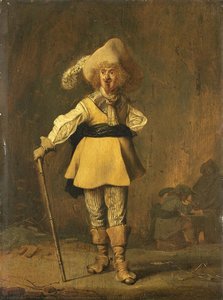
Quick Facts
- Artistic Movement Or Style: Dutch Golden Age painting
- Date Of Birth: 1612
- Date Of Death: 1657
- Full Name: Willem Bartsius
- Nationality: Dutch
- Notable Artworks:
- A Captain, c. 1622-39
- The Lute player with skull
- Place Of Birth: Enkhuizen, Netherlands