

 Preview
 Send
Send Share
Share
 Details

 Download
 Similars
 X-Ray
X-Ray Diaporama
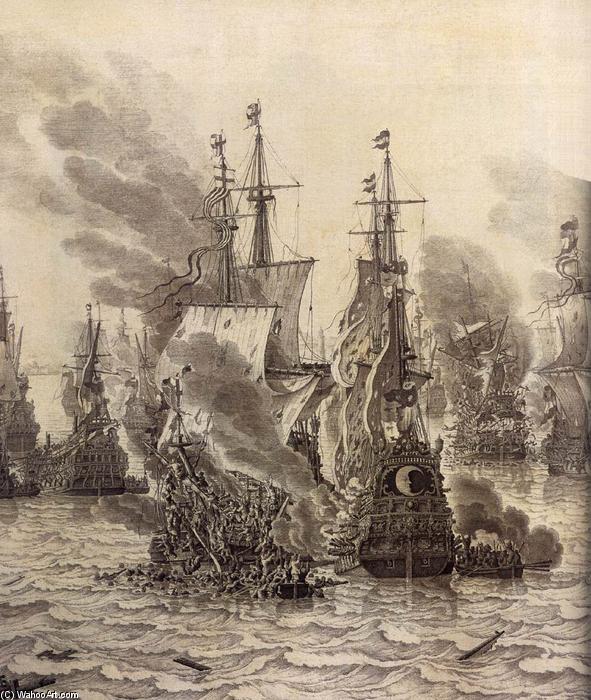
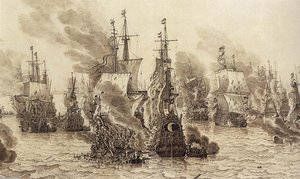
The Battle of Livorno (detail)


 Read More
Purchase a high-resolution, enhanced digital image, far superior to the online preview.
Each file is meticulously prepared by our in-house specialists using advanced tools and expert manual retouching. We ensure every image has exceptional clarity, precise color accuracy, and fine detail.
The final file is delivered via email within 72 hours, optimized for immediate use in professional, editorial, and print environments. This is the same quality trusted by top-tier design studios, publishers, and galleries.
Digital Image
Download a high-resolution file for personal display, printing, and creative projects. ( Buy Print Buy Hand Made Painting)
Included in Every Digital Image Order
Expert Digital Delivery, Guaranteed
When you choose ArtsDot.com, you're not just getting an image - you're receiving a professionally enhanced digital artwork, crafted with precision and backed by a satisfaction guarantee. Here's everything that comes with your order, automatically:

Fast Email Delivery
Your high-resolution digital image file will be emailed to you within 72 hours of ordering - ready for immediate use.

AI-Enhanced Digital File
Your artwork is professionally optimized using advanced AI tools and manual editing, ensuring maximum detail, clarity, and color accuracy.

Free Lifetime Re-Delivery
Accidentally deleted or lost your file? No worries - we'll resend it to you anytime, free of charge.

No Import Fees - Ever
Enjoy your artwork instantly with zero customs, duties, or delivery fees - digital downloads are always tax-free.

Color Accuracy Guarantee
We ensure your digital image reflects the original colors as closely as possible using professional tools and color management.

60-Day Satisfaction Guarantee
If you're not satisfied with your digital image, we'll revise it or refund 100% within 60 days - no questions asked.

100% Money-Back Guarantee
Not satisfied? Get a full refund within 60 days of receiving your digital file - no questions asked.

Bulk Order Discounts
Buy 3 images, save 10% - Buy 5, save 15% - Buy 10+, save 20%. Great for creative projects, galleries, and agencies.
A Dramatic Depiction of Maritime Conflict
Willem van de Velde the Elder’s “The Battle of Livorno” (detail), a work meticulously rendered in black and white, offers a visceral glimpse into the chaotic drama of 17th-century naval warfare. Housed within the esteemed Rijksmuseum in Amsterdam, this painting transcends mere documentation; it's a powerful testament to the artist’s skill and his ability to capture both the brutal reality and the inherent grandeur of maritime combat. The scene unfolds with an almost frenetic energy – sinking ships spewing smoke, smaller vessels engaged in desperate rescue efforts, and figures caught in the maelstrom of battle. Van de Velde doesn't shy away from depicting the carnage; the damaged hulls, splintered wood, and billowing flames speak volumes about the ferocity of the engagement.

Pen Painting and the Pursuit of Realism
What distinguishes Van de Velde’s work is his pioneering use of “penschilderij,” a technique he largely developed himself. Rather than relying solely on oil paints, he employed meticulously crafted ink drawings on panel or canvas, creating an astonishing level of detail and durability. This method allowed him to achieve the appearance of intricate drawings while ensuring the artwork possessed the longevity typically associated with paintings. The artist’s mastery is evident in the incredibly fine lines that delineate the sails, masts, and rigging – each element rendered with painstaking precision. Cross-hatching techniques are skillfully deployed to convey the movement of water, creating a sense of depth and dynamism within the composition. The shading subtly suggests the texture of wood, metal, and fabric, further enhancing the realism of the scene.
Historical Context: Livorno and the Dutch Golden Age
“The Battle of Livorno” was painted in 1654, a period marked by intense rivalry between England and the Netherlands. The battle depicted took place at Livorno, a strategically important port city on the Tuscan coast. This conflict wasn’t merely about territorial control; it represented a clash of naval ideologies and economic interests. Van de Velde's commission to document this event reflects the Dutch Republic’s commitment to maintaining its maritime dominance. The painting is therefore not just a record of a specific battle, but also a symbol of Dutch power and strategic acumen during the Golden Age. The inclusion of various flags and banners—a visual shorthand for the different nations involved—adds another layer of historical significance.
Symbolism and Emotional Impact
Beyond its historical accuracy, “The Battle of Livorno” evokes a profound sense of drama and human vulnerability. The figures struggling to escape sinking ships represent the chaos and uncertainty inherent in war. The smoke rising from the damaged vessels creates an atmosphere of impending doom, while the dynamic poses of the sailors convey both courage and desperation. Van de Velde doesn’t glorify warfare; instead, he presents it as a brutal and unpredictable event with devastating consequences. The painting's stark monochrome palette further amplifies its emotional impact, forcing the viewer to confront the grim realities of naval combat without the distraction of color.
Bringing History Home: A ArtsDot Reproduction
ArtsDot offers high-quality reproductions of “The Battle of Livorno,” allowing you to bring this remarkable masterpiece into your home or office. Our hand-painted reproductions meticulously recreate Van de Velde’s intricate details and dramatic composition, ensuring that the artwork retains its original power and impact. Choose from a range of sizes to perfectly complement your space. Explore our options for custom sizing and discover how ArtsDot can transform this iconic work into a cherished addition to your collection.
Related Artworks
Artist Biography
early life and career
willem van de velde the elder, a renowned dutch golden age seascape painter, was born in leiden, netherlands, around 1611. his father, willem willemsz van de velde, was a flemish skipper, which likely influenced his son's interest in maritime art.artistic style and technique
van de velde's work is characterized by its precision and attention to detail. he pioneered the technique of pen painting (penschilderij), which involved creating detailed, durable artworks using ink on panel or canvas. this innovative approach allowed his pieces to resemble elaborate drawings while maintaining the durability of a painting.notable works and collaborations
* the battle of texel, 1687 (oil on canvas) * the burning of the royal james at the battle of solebay (drawing) * collaboration with charles ii of england, producing paintings of british ships and naval battlesmuseums and collections featuring van de velde's work
* the mauritshuis, netherlands (features dutch golden age paintings, including works by van de velde) * the kremer collection, the hague, netherlands (a private art museum with a focus on 17th-century dutch and flemish paintings)- view willem van de velde the elder's artwork on ArtsDot.com
- explore more dutch golden age artists, including rembrandt van rijn, on ArtsDot.com's artist page
- discover the mauritshuis's collection, featuring works by willem van de velde the elder, on ArtsDot.com's museum page
legacy and impact
willem van de velde the elder's contributions to dutch golden age seascape painting are undeniable. his innovative techniques, attention to detail, and collaborations with prominent figures have solidified his place in art history. the museum universiteitsbibliotheek (leiden, netherlands) - a comprehensive guide on ArtsDot.com provides further insight into the cultural context of van de velde's work.
Willem van de Velde the Elder
1611 - 1693 , Netherlands
Quick Facts
- Artistic Movement Or Style: Pen painting, Seascape
- Artists Or Movements Influenced By This Artist: ['Willem van de Velde the Younger']
- Artists Who Influenced This Artist: ['His father (Willem Willemsz)']
- Date Of Birth: 1611, Leiden, Netherlands
- Date Of Death: 1693, London, England
- Full Name: Willem van de Velde the Elder
- Nationality: Dutch Golden Age
- Notable Artworks:
- The Battle of Texel
- Burning of James
- Place Of Birth: Leiden, Netherlands

