

 Preview
 Send
Send Share
Share
 Details

 Download
 Similars
 X-Ray
X-Ray Diaporama
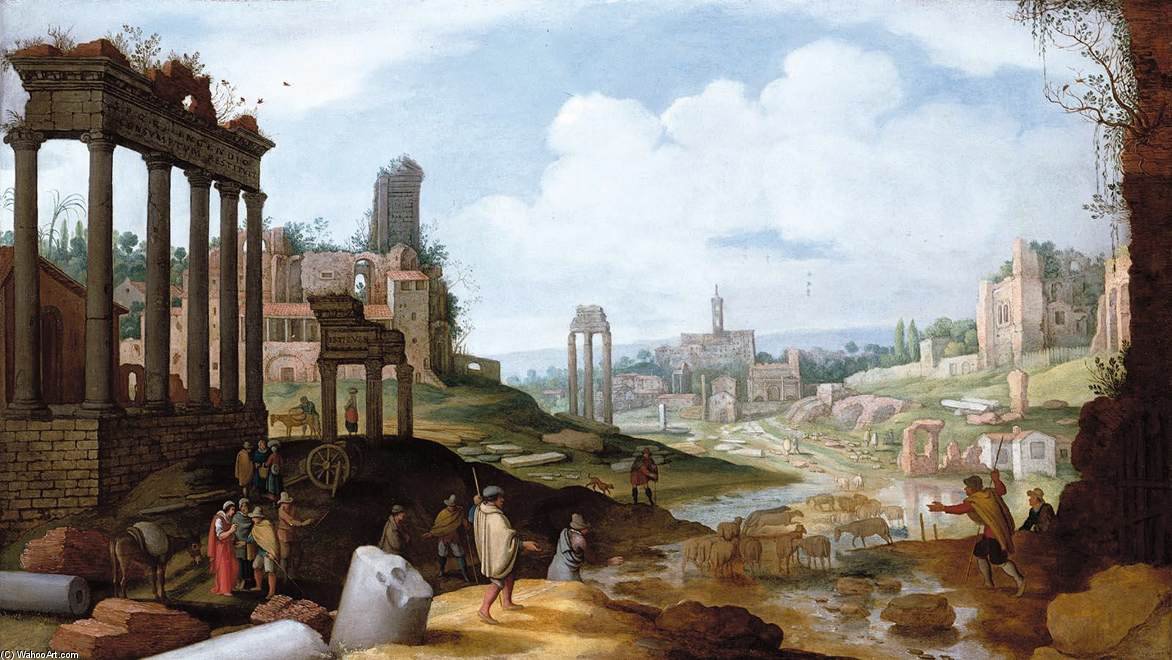
View Of The Forum Romanum
 Read More
Purchase a high-resolution, enhanced digital image, far superior to the online preview.
Each file is meticulously prepared by our in-house specialists using advanced tools and expert manual retouching. We ensure every image has exceptional clarity, precise color accuracy, and fine detail.
The final file is delivered via email within 72 hours, optimized for immediate use in professional, editorial, and print environments. This is the same quality trusted by top-tier design studios, publishers, and galleries.
Digital Image
Download a high-resolution file for personal display, printing, and creative projects. ( Buy Print Buy Hand Made Painting)
Included in Every Digital Image Order
Expert Digital Delivery, Guaranteed
When you choose ArtsDot.com, you're not just getting an image - you're receiving a professionally enhanced digital artwork, crafted with precision and backed by a satisfaction guarantee. Here's everything that comes with your order, automatically:

Fast Email Delivery
Your high-resolution digital image file will be emailed to you within 72 hours of ordering - ready for immediate use.

AI-Enhanced Digital File
Your artwork is professionally optimized using advanced AI tools and manual editing, ensuring maximum detail, clarity, and color accuracy.

Free Lifetime Re-Delivery
Accidentally deleted or lost your file? No worries - we'll resend it to you anytime, free of charge.

No Import Fees - Ever
Enjoy your artwork instantly with zero customs, duties, or delivery fees - digital downloads are always tax-free.

Color Accuracy Guarantee
We ensure your digital image reflects the original colors as closely as possible using professional tools and color management.

60-Day Satisfaction Guarantee
If you're not satisfied with your digital image, we'll revise it or refund 100% within 60 days - no questions asked.

100% Money-Back Guarantee
Not satisfied? Get a full refund within 60 days of receiving your digital file - no questions asked.

Bulk Order Discounts
Buy 3 images, save 10% - Buy 5, save 15% - Buy 10+, save 20%. Great for creative projects, galleries, and agencies.
Related Artworks








Artist Biography
The Architect of Illusion: The Multifaceted Legacy of Willem van Nieulandt
Willem van Nieulandt, a name that resonates with the intellectual vigor of the Dutch Golden Age, was far more than a mere practitioner of the brush. Born around 1584 in the vibrant artistic hub of Antwerp, he emerged as a true Renaissance man—a poet, playwright, engraver, and painter whose work bridged the gap between visual splendor and literary depth. His life was a tapestry woven from the threads of various European cultures, shaped by the religious upheavals of his era and a profound, lifelong obsession with the grandeur of classical antiquity. To study Van Nieulandt is to witness a mind attempting to reconstruct the lost glory of Rome through the delicate medium of light, shadow, and ink.
The foundations of his artistry were laid in an environment steeped in tradition. As the son of the painter Adrien van Nieulandt the elder, Willem was immersed in the language of art from infancy. However, the shifting political tides of the late 16th century—specifically the siege of Antwerp and the ensuing religious tensions between Catholics and Protestants—forced his family to relocate to Amsterdam. It was here that his formal training began, under the guidance of Roelant Savery. This early period instilled in him a meticulous attention to detail and a mastery of the stylistic currents flowing through the Dutch Republic. Yet, the true metamorphosis of his soul occurred when he embarked on a transformative pilgrimage to Rome in 1607. Seeking the mentorship of the renowned Paulus Bril, Van Nieulandt did not merely learn new techniques; he absorbed the very essence of the Italianate spirit.
Ruins and Reverie: The Symbiosis of Landscape and Lore
In the sun-drenched landscapes of Italy, Van Nieulandt found his true calling. He became a master of the capriccio—a style of painting that blends real architectural fragments with imaginative compositions to create a dreamlike, idealized reality. His works often feature the skeletal remains of Roman temples, crumbling forums, and weathered monuments, not as mere subjects of decay, but as vessels for profound emotional truths. Through his eyes, a broken column was not just stone; it was a poignant symbol of the passage of time and the inevitable decline of even the mightiest empires. This fascination with the classical past allowed him to infuse his landscapes with a sense of melancholy and contemplation that resonated deeply with the humanist ideals of his age.
What truly distinguishes Van Nieulatesque compositions is the way he enlivened these silent ruins with human drama. His canvases frequently serve as stages for biblical narratives, mythological encounters, or contemporary figures lost in thought amidst the debris of history. One might find a scene from Genesis, such as Rebecca offering water to Eliezer, set against the backdrop of the Roman Forum. By placing timeless human stories within the context of ancient architectural decay, he created a powerful dialogue between the eternal and the ephemeral. His ability to weave intricate narratives into his landscapes transformed his paintings from simple vistas into complex, multi-layered meditations on faith, memory, and the human condition.
A Lasting Impression on the Golden Age
Beyond the canvas, Van Nieulandt’s influence extended into the very fabric of Northern European literature and printmaking. As a celebrated poet and playwright in the Habsburg Netherlands, he possessed a unique ability to articulate the intellectual zeitgeist of the early 17th century. His engravings further expanded his reach, allowing his precise, detailed visions of Roman grandeur to circulate widely throughout Europe. This versatility ensured that his artistic voice was heard not only by those who admired fine painting but also by the scholars and literati who shaped the cultural landscape of his time.
The historical significance of Willem van Nieulandt lies in his role as a bridge between eras. He carried the torch of classical humanism into the burgeoning era of the Dutch Golden Age, blending the nostalgic reverence for antiquity with the emerging realism of Northern European art. Though he passed away around 1635, his legacy remains etched in the architectural fragments and poetic verses he left behind. He remains a vital figure for any student of art history, representing a rare moment in time when the poet's pen and the painter's brush worked in perfect, haunting harmony to capture the fleeting beauty of a world in transition.
willem van nieulandt
1584 - 1635
Quick Facts
- Artistic Movement Or Style: Italianate Ruins
- Artists Or Movements Influenced By This Artist: ['Renaissance Painting']
- Artists Who Influenced This Artist: ['Roelant Savery']
- Date Of Death: 1635
- Full Name: Willem van Nieulandt
- Nationality: Dutch
- Notable Artworks: ['The Ruins of Pompeii']
- Place Of Birth: Antwerp

