 Preview
 Send
Send Share
Share
 Details

 Download
 Similars
 X-Ray
X-Ray Diaporama
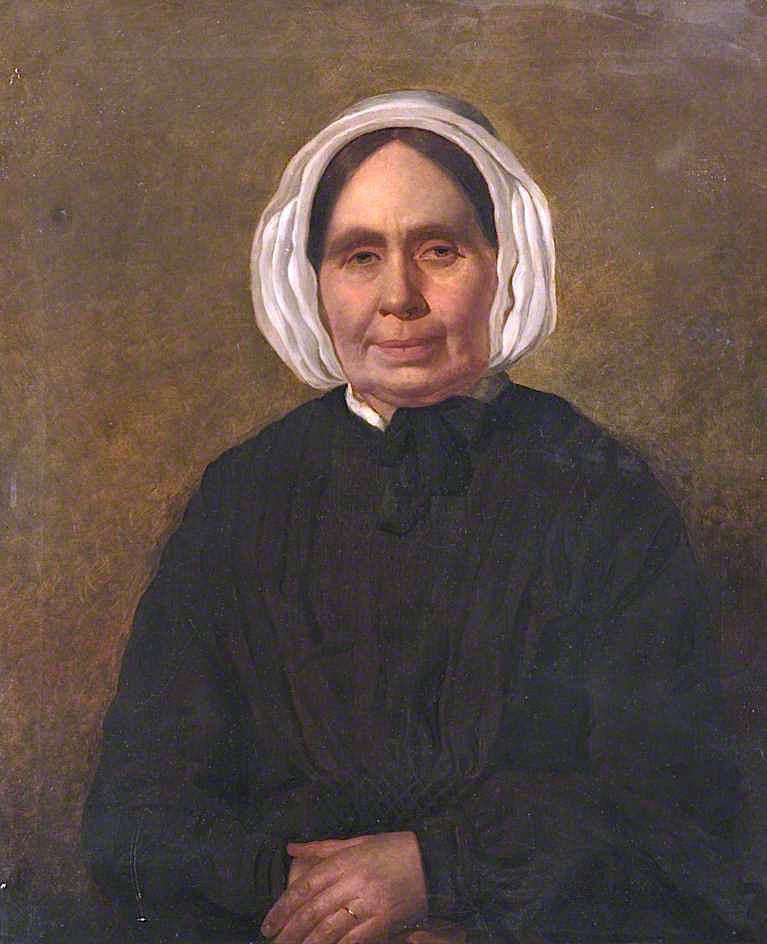
Margaret Hosie, Wife of William Fox, Merchant of Carnoustie
 Read More
Purchase a high-resolution, enhanced digital image, far superior to the online preview.
Each file is meticulously prepared by our in-house specialists using advanced tools and expert manual retouching. We ensure every image has exceptional clarity, precise color accuracy, and fine detail.
The final file is delivered via email within 72 hours, optimized for immediate use in professional, editorial, and print environments. This is the same quality trusted by top-tier design studios, publishers, and galleries.
Digital Image
Download a high-resolution file for personal display, printing, and creative projects. ( Buy Print Buy Hand Made Painting)
Included in Every Digital Image Order
Expert Digital Delivery, Guaranteed
When you choose ArtsDot.com, you're not just getting an image - you're receiving a professionally enhanced digital artwork, crafted with precision and backed by a satisfaction guarantee. Here's everything that comes with your order, automatically:

Fast Email Delivery
Your high-resolution digital image file will be emailed to you within 72 hours of ordering - ready for immediate use.

AI-Enhanced Digital File
Your artwork is professionally optimized using advanced AI tools and manual editing, ensuring maximum detail, clarity, and color accuracy.

Free Lifetime Re-Delivery
Accidentally deleted or lost your file? No worries - we'll resend it to you anytime, free of charge.

No Import Fees - Ever
Enjoy your artwork instantly with zero customs, duties, or delivery fees - digital downloads are always tax-free.

Color Accuracy Guarantee
We ensure your digital image reflects the original colors as closely as possible using professional tools and color management.

60-Day Satisfaction Guarantee
If you're not satisfied with your digital image, we'll revise it or refund 100% within 60 days - no questions asked.

100% Money-Back Guarantee
Not satisfied? Get a full refund within 60 days of receiving your digital file - no questions asked.

Bulk Order Discounts
Buy 3 images, save 10% - Buy 5, save 15% - Buy 10+, save 20%. Great for creative projects, galleries, and agencies.
Related Artworks







Artist Biography
A Life Immersed in Landscape: The World of William Baxter Collier Fyfe
William Baxter Collier Fyfe, a name resonating with the quiet grandeur of 19th-century Scottish painting, occupies a fascinating space between the established traditions of the Hudson River School and the burgeoning romanticism of his native land. Though biographical details remain somewhat elusive – a common trait for artists whose work speaks more powerfully than documented lives – Fyfe’s paintings offer a compelling narrative of artistic development and a deep connection to the natural world, particularly the evocative landscapes of Ireland. He wasn't merely *depicting* scenery; he was translating an emotional experience onto canvas, capturing the very soul of place. Born in Scotland, his life unfolded during a period of significant social and artistic change, influencing both his subject matter and his style. While precise dates are often unavailable, it is known that Fyfe dedicated himself to painting throughout the 19th century, leaving behind a legacy of serene Irish scenes and compelling portraits.Early Influences and Artistic Training
Fyfe’s early artistic journey was undoubtedly shaped by the prevailing aesthetic currents in Scotland. The influence of the Hudson River School, though geographically distant, permeated artistic circles through engravings and reproductions. Artists like Thomas Cole and Frederic Church, with their dramatic depictions of American wilderness, instilled a sense of awe and reverence for nature that would become central to Fyfe’s own work. However, he didn't simply replicate this American style; instead, he adapted it to the softer, more intimate landscapes of his homeland and, crucially, Ireland. It is believed that Fyfe received formal training, though details are scarce. The hallmarks of his technique – a meticulous attention to detail, a subtle use of light and shadow, and a harmonious color palette – suggest a solid grounding in academic principles. He possessed an exceptional ability to render atmospheric effects, creating paintings that evoke not just the *look* of a place but also its unique mood and atmosphere. This skill was likely honed through careful observation and dedicated study of natural phenomena.The Irish Interlude: A Defining Period
Fyfe’s most recognizable work centers around his depictions of Ireland. He spent considerable time there, immersing himself in the country's breathtaking scenery – from the rugged coastline to the rolling hills and tranquil lakes. This period proved pivotal in shaping his artistic identity. Unlike many artists who sought dramatic or picturesque views, Fyfe focused on capturing the quiet beauty of everyday life in rural Ireland. His paintings often feature humble cottages nestled amongst verdant fields, figures engaged in simple tasks, and serene waterways reflecting the changing light of day. These are not grand statements about national identity; they are intimate portraits of a way of life, imbued with a sense of nostalgia and reverence. The landscapes are characterized by their soft focus and delicate brushwork, creating an almost dreamlike quality that invites contemplation. He masterfully captured the unique light of Ireland, often described as ethereal and ever-changing, lending his paintings a distinctive atmospheric depth.Portraiture and the Depiction of Character
While celebrated for his landscapes, Fyfe also produced a significant body of portrait work. These portraits, like his landscapes, are characterized by their sensitivity and attention to detail. He wasn't interested in simply capturing physical likeness; he sought to reveal something of the sitter’s inner character. His subjects often appear thoughtful and introspective, suggesting a deep connection between artist and model. The portraiture work provides valuable insight into the social circles Fyfe moved within, offering glimpses of Victorian society in both Scotland and Ireland. He employed a similar technique to his landscapes – a subtle use of light and shadow, a harmonious color palette, and meticulous attention to detail – creating portraits that are both realistic and emotionally resonant.Legacy and Historical Significance
William Baxter Collier Fyfe’s work stands as a testament to the enduring power of landscape painting. He successfully blended the influences of the Hudson River School with his own unique artistic vision, creating paintings that capture the quiet beauty of Scotland and Ireland. While he may not be a household name, his work is increasingly recognized for its sensitivity, technical skill, and evocative atmosphere.- His landscapes offer a valuable glimpse into rural life in 19th-century Ireland.
- His portraits reveal a deep understanding of human character.
- He represents a significant bridge between artistic traditions.