

 Preview
 Send
Send Share
Share
 Details

 Download
 Similars
 X-Ray
X-Ray Diaporama
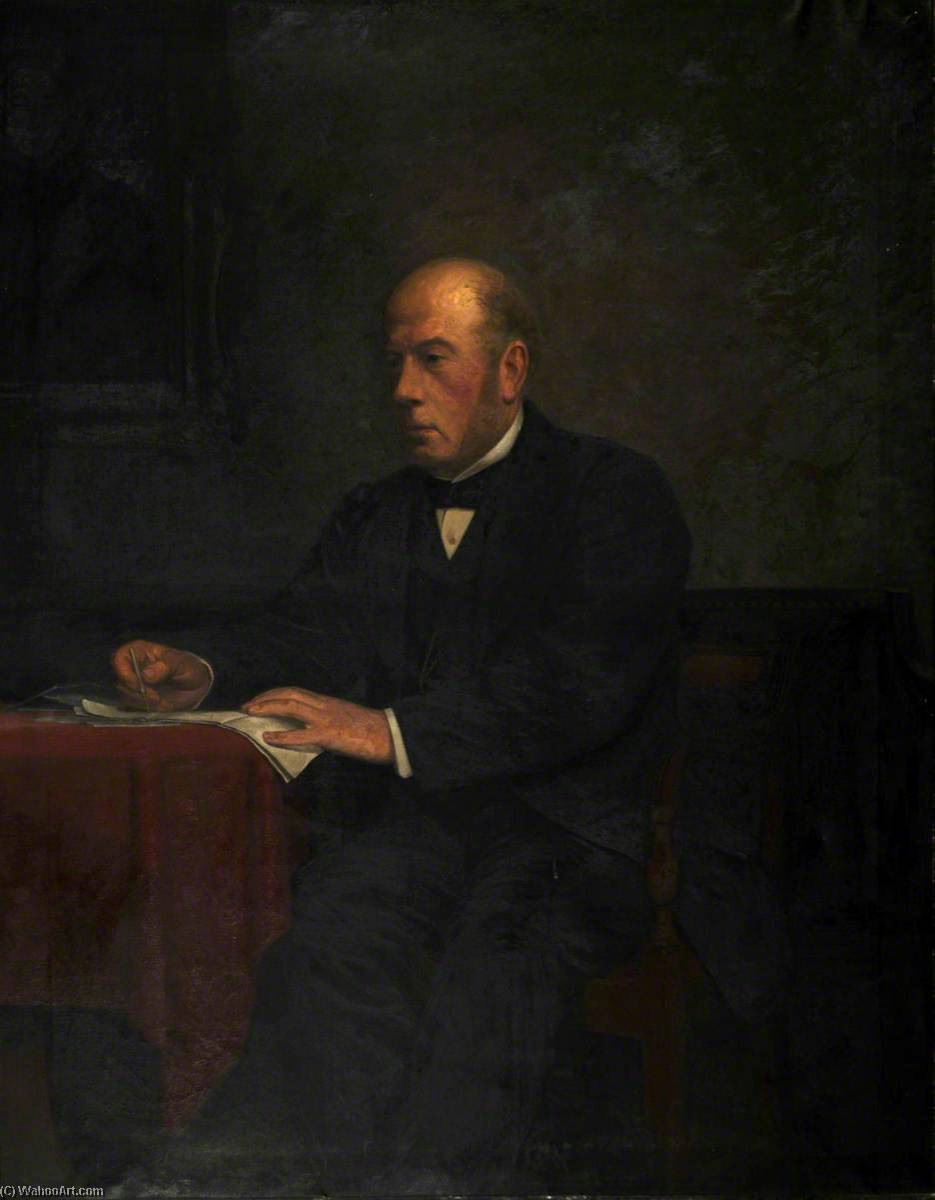
Portrait of an Unknown Man
 1874
1874 143.0 x 112.0 cm
 Campbeltown Museum
 Read More
Purchase a high-resolution, enhanced digital image, far superior to the online preview.
Each file is meticulously prepared by our in-house specialists using advanced tools and expert manual retouching. We ensure every image has exceptional clarity, precise color accuracy, and fine detail.
The final file is delivered via email within 72 hours, optimized for immediate use in professional, editorial, and print environments. This is the same quality trusted by top-tier design studios, publishers, and galleries.
Digital Image
Download a high-resolution file for personal display, printing, and creative projects. ( Buy Print Buy Hand Made Painting)
Included in Every Digital Image Order
Expert Digital Delivery, Guaranteed
When you choose ArtsDot.com, you're not just getting an image - you're receiving a professionally enhanced digital artwork, crafted with precision and backed by a satisfaction guarantee. Here's everything that comes with your order, automatically:

Fast Email Delivery
Your high-resolution digital image file will be emailed to you within 72 hours of ordering - ready for immediate use.

AI-Enhanced Digital File
Your artwork is professionally optimized using advanced AI tools and manual editing, ensuring maximum detail, clarity, and color accuracy.

Free Lifetime Re-Delivery
Accidentally deleted or lost your file? No worries - we'll resend it to you anytime, free of charge.

No Import Fees - Ever
Enjoy your artwork instantly with zero customs, duties, or delivery fees - digital downloads are always tax-free.

Color Accuracy Guarantee
We ensure your digital image reflects the original colors as closely as possible using professional tools and color management.

60-Day Satisfaction Guarantee
If you're not satisfied with your digital image, we'll revise it or refund 100% within 60 days - no questions asked.

100% Money-Back Guarantee
Not satisfied? Get a full refund within 60 days of receiving your digital file - no questions asked.

Bulk Order Discounts
Buy 3 images, save 10% - Buy 5, save 15% - Buy 10+, save 20%. Great for creative projects, galleries, and agencies.
Related Artworks
Artist Biography
William Bright Morris: A Weaver of Dreams and Shadows
The world of late nineteenth-century British art was undergoing a profound shift, moving away from the rigid formalism of academic painting towards a vibrant embrace of folklore, mythology, and craftsmanship. Within this dynamic landscape emerged William Bright Morris (1844–1912), an artist whose work transcended mere representation to become imbued with a potent blend of Romantic idealism, Pre-Raphaelite aesthetics, and a deep fascination with the mystical and the medieval. More than just a painter, Morris was a multifaceted creative force – a draughtsman, illustrator, designer, and ultimately, a key figure in the Arts and Crafts movement, shaping not only his own artistic trajectory but also profoundly influencing generations of artists to come.
Born in King’s Lynn, Norfolk, into a family steeped in artistic tradition (his father was a captain in the Royal Navy), Morris's early life provided him with an unparalleled exposure to both the practicalities of art and the romantic ideals championed by his uncle, William Morris. This familial connection proved pivotal; it instilled within him a reverence for craftsmanship, a deep appreciation for the beauty of nature, and a critical perspective on the dehumanizing effects of industrialization – themes that would become central to his artistic vision. Morris’s formal training was somewhat unconventional, largely self-directed, honed through diligent study and tireless practice. He initially apprenticed as a draughtsman in London, absorbing the techniques of various masters before establishing himself as an independent artist.
A Palette of Myth and Memory
Morris's artistic style is immediately recognizable for its rich color palette, often dominated by deep blues, greens, and browns – colors evocative of twilight forests, ancient ruins, and the mysteries of the natural world. He employed a meticulous draughtsmanship, rendering details with astonishing precision, yet always imbuing his subjects with an atmosphere of dreamlike intensity. His paintings rarely depict straightforward narratives; instead, they present fragmented glimpses into emotional states, symbolic landscapes, and fleeting moments of beauty. He frequently explored themes of loss, memory, and the enduring power of myth – drawing inspiration from Celtic legends, Norse sagas, and the writings of his uncle.
His subjects ranged widely: portraits of friends and family, evocative landscapes, scenes of rural life, and fantastical allegorical compositions. Notable works such as “Spanish Beggars” (1879) and “Tiger, Tiger Burning Bright” (1880), both depicting scenes of poverty and hardship, demonstrate his ability to capture the dignity and resilience of marginalized individuals. The latter, a dramatic stage play adaptation, showcases his talent for storytelling through visual imagery, blending elements of folklore, tragedy, and social commentary.
The Echoes of William Morris
Morris’s artistic development was inextricably linked to that of his uncle, William Morris, the celebrated textile designer and socialist visionary. As a young man, Morris had purchased many of Morris's books, including his fantasies, poetry, and translations. Both men shared a deep skepticism towards industrialization and a fascination with medieval art and literature. This intellectual kinship profoundly influenced Morris’s artistic choices, shaping his subject matter, his stylistic preferences, and his overall aesthetic sensibility. The influence is particularly evident in his illustrations for the Völsunga Saga, a Norse epic that he meticulously studied and translated, capturing its heroic grandeur and tragic pathos with remarkable skill.
Furthermore, Morris’s work reflects the core tenets of the Arts and Crafts movement, which sought to revive traditional crafts and reject mass-produced goods. His meticulous attention to detail, his commitment to handcraftsmanship, and his celebration of beauty in everyday objects align perfectly with this broader artistic and social philosophy. The legacy of William Morris's influence on J. R. R. Tolkien is also significant, demonstrating the enduring power of Morris’s vision across generations.
A Lasting Legacy
Despite facing financial challenges throughout his career, William Bright Morris remained a dedicated artist until his death in 1912. His work continues to resonate with viewers today, not only for its technical brilliance and evocative imagery but also for its profound exploration of human emotion, mythic themes, and the enduring beauty of the natural world. Morris’s legacy extends beyond his individual paintings; he played a crucial role in shaping the artistic landscape of late nineteenth-century Britain, inspiring countless artists to embrace craftsmanship, explore the power of symbolism, and celebrate the richness of cultural heritage. His art serves as a poignant reminder of the importance of preserving tradition while simultaneously embracing innovation.
Key Works
- Spanish Beggars (1879)
- Tiger, Tiger Burning Bright (1880)
- The Icelandic Journals (Illustrations, 1871)
- Portrait of Charlotte Bronte (after George Richmond, 1895)
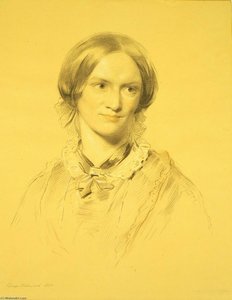
william bright morris
1844 - 1912
Quick Facts
- Artistic Movement Or Style: Arts and Crafts
- Artists Or Movements Influenced By This Artist:
- J.R.R. Tolkien
- Alan Lee
- Artists Who Influenced This Artist:
- William Blake
- John Bright
- Date Of Birth: 1844
- Date Of Death: 1912
- Full Name: William Bright Morris
- Nationality: British
- Notable Artworks:
- Spanish Beggars
- Tiger, Tiger...
- Place Of Birth: King's Lynn, England

