

 Preview
 Send
Send Share
Share
 Details

 Download
 Similars
 X-Ray
X-Ray Diaporama
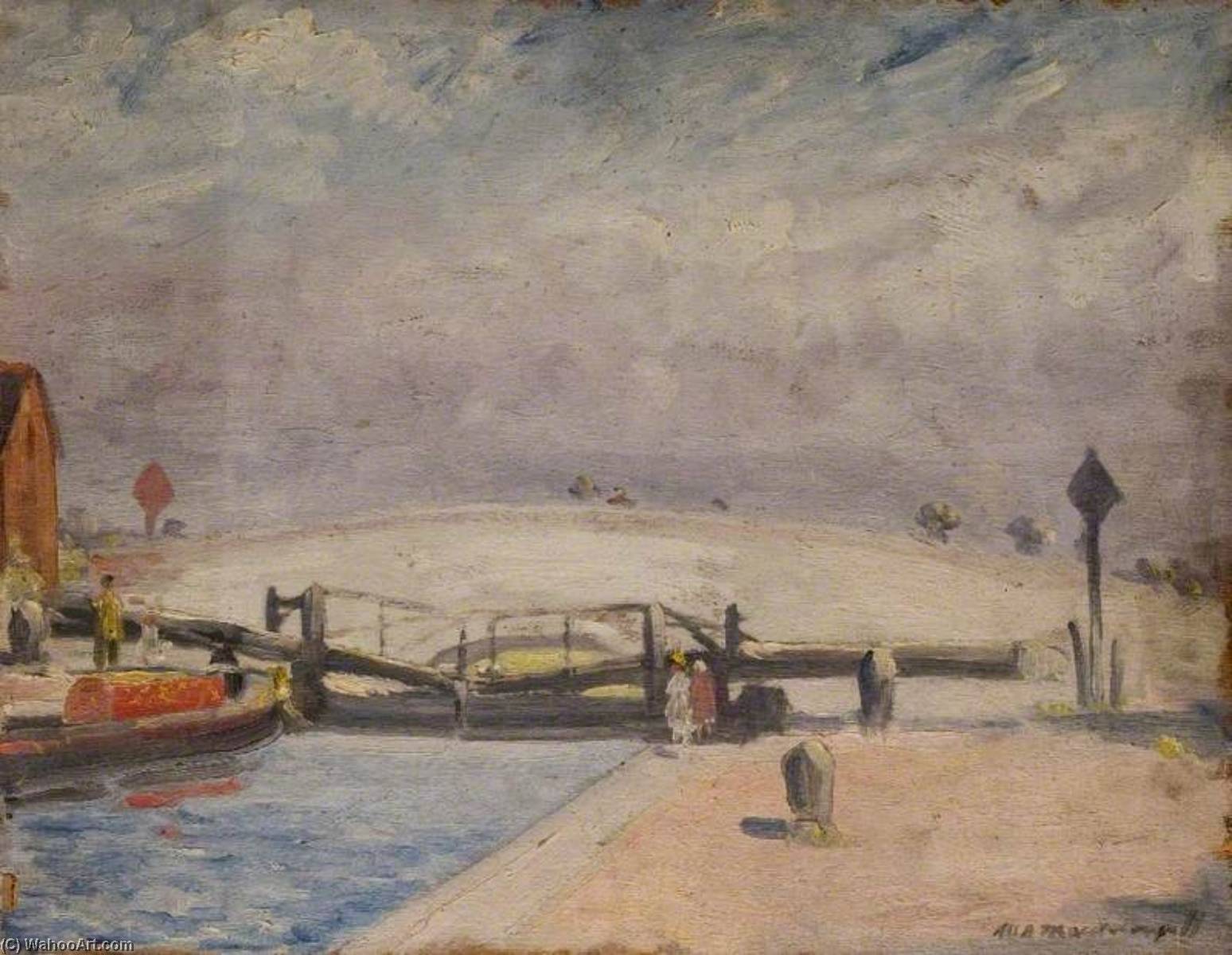
Canal Scene, Welton Lock and Lodge
 Impressionism
 1927
1927 36.0 x 46.0 cm
 Laing Art Gallery
 Read More
Purchase a high-resolution, enhanced digital image, far superior to the online preview.
Each file is meticulously prepared by our in-house specialists using advanced tools and expert manual retouching. We ensure every image has exceptional clarity, precise color accuracy, and fine detail.
The final file is delivered via email within 72 hours, optimized for immediate use in professional, editorial, and print environments. This is the same quality trusted by top-tier design studios, publishers, and galleries.
Digital Image
Download a high-resolution file for personal display, printing, and creative projects. ( Buy Print Buy Hand Made Painting)
Included in Every Digital Image Order
Expert Digital Delivery, Guaranteed
When you choose ArtsDot.com, you're not just getting an image - you're receiving a professionally enhanced digital artwork, crafted with precision and backed by a satisfaction guarantee. Here's everything that comes with your order, automatically:

Fast Email Delivery
Your high-resolution digital image file will be emailed to you within 72 hours of ordering - ready for immediate use.

AI-Enhanced Digital File
Your artwork is professionally optimized using advanced AI tools and manual editing, ensuring maximum detail, clarity, and color accuracy.

Free Lifetime Re-Delivery
Accidentally deleted or lost your file? No worries - we'll resend it to you anytime, free of charge.

No Import Fees - Ever
Enjoy your artwork instantly with zero customs, duties, or delivery fees - digital downloads are always tax-free.

Color Accuracy Guarantee
We ensure your digital image reflects the original colors as closely as possible using professional tools and color management.

60-Day Satisfaction Guarantee
If you're not satisfied with your digital image, we'll revise it or refund 100% within 60 days - no questions asked.

100% Money-Back Guarantee
Not satisfied? Get a full refund within 60 days of receiving your digital file - no questions asked.

Bulk Order Discounts
Buy 3 images, save 10% - Buy 5, save 15% - Buy 10+, save 20%. Great for creative projects, galleries, and agencies.
Related Artworks
Artist Biography
A Life Etched in Shadow and Light: The World of William Brown Macdougall
William Brown Macdougall, born in Glasgow on December 16th, 1868, was an artist whose name may not be as instantly recognizable as some of his contemporaries, yet his contributions to the aesthetic landscape of the late Victorian and Edwardian periods are quietly significant. He existed within a fascinating nexus of artistic movements – straddling the traditions of the Arts and Crafts movement with the burgeoning influence of Art Nouveau – and carved out a unique space for himself through wood engraving, etching, and particularly, book illustration. His life was one of dedicated craftsmanship, collaborative spirit, and a subtle but persistent exploration of mood and symbolism. Macdougall’s story is inextricably linked to that of his wife, Margaret Armour, a talented translator, poet, and playwright with whom he shared not only a personal life but also a profound artistic partnership.Early Training and Artistic Foundations
Macdougall received a solid grounding in the fundamentals of art through formal education at the Glasgow Academy before venturing to Paris in the mid-1880s. The Académie Julian became his crucible, where he studied under established masters like Bouguereau, Jean-Paul Laurens, and Tony Robert-Fleury. This period instilled in him a technical proficiency – a mastery of drawing, modeling, and perspective – that would serve as the bedrock for his later stylistic explorations. He quickly gained membership to the prestigious Salon des Artistes Français, signaling an early acceptance within the established art world. However, it was not merely academic rigor that shaped Macdougall’s vision; he possessed a sensibility attuned to the changing currents of artistic thought, and soon found himself drawn towards more innovative avenues of expression. His work during this time often reflected traditional themes – landscapes, portraits, historical scenes – but even then, hints of the sombre, evocative style that would become his hallmark began to emerge.Collaboration, Influence, and a Distinctive Style
The marriage to Margaret Armour in 1895 proved pivotal. Theirs was a true creative symbiosis; she translated medieval texts, penned original poetry, and he brought her words to life through his illustrations. This partnership extended beyond their immediate work, fostering connections with other prominent figures of the era, most notably Aubrey Beardsley. Macdougall’s association with Beardsley – they collaborated on numerous projects and were both members of the New English Art Club – was profoundly influential. While he never fully embraced Beardsley's flamboyant, often provocative style, Macdougall absorbed its emphasis on line, pattern, and a certain decadent aesthetic. He also drew inspiration from William Morris and the Arts and Crafts movement’s commitment to craftsmanship and integrated design. This confluence of influences resulted in a distinctive style characterized by sinuous lines, distorted floral motifs, and a striking use of black-and-white contrast. His work often possessed a melancholic quality, exploring themes of love, loss, and the supernatural with a quiet intensity.Book Illustration: A Brief but Brilliant Flourish
Macdougall’s most enduring legacy lies in his book illustrations, though this period of intense creative activity was relatively short-lived, spanning roughly from 1896 to 1898. During these years, he produced a series of exquisitely crafted works for publishers like J.M. Dent, Duckworth, and Kegan Paul. He didn’t simply illustrate texts; he *integrated* them with his designs, creating unified artistic experiences through full-page images, ornamental borders, initial letters, and thoughtfully considered bindings. Notable examples include illustrations for *The Book of Ruth*, *The Fall of the Nibelungs* (translated by Margaret Armour), *Isabella, or The Pot of Basil*, and *The Blessed Damozel*. These works demonstrate a masterful command of wood engraving techniques, transforming medieval narratives and romantic poetry into visually arresting compositions. His vignettes owe much to both Art Nouveau’s organic forms and the Arts and Crafts movement's dedication to detailed craftsmanship.Later Years and Lasting Significance
Following his concentrated period of book illustration, Macdougall continued to paint in oils and explore other mediums, exhibiting at prestigious venues such as the Royal Academy and the Royal Scottish Academy. He also ventured into wallpaper design and etching. The couple settled in Loughton, Essex, becoming part of a vibrant artistic and scientific community. A blue plaque was unveiled in Debden Green, Loughton, in 2012, commemorating their shared legacy. Macdougall died on April 20th, 1936, leaving behind a body of work that, while perhaps not widely celebrated during his lifetime, continues to resonate with its subtle beauty and evocative power. His sister Agnes generously donated prints and a plaster bust to the Kelvingrove Art Gallery in Glasgow, ensuring that his artistic contributions would be preserved for future generations. Today, Macdougall’s works are held by galleries throughout the UK and appreciated for their unique blend of influences, technical skill, and quiet emotional depth – a testament to an artist who etched his own distinctive mark on the landscape of Victorian and Edwardian art.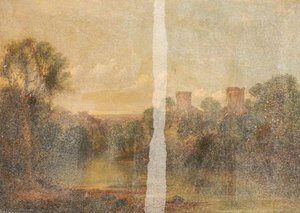
william brown macdougall
1868 - 1936
Quick Facts
- Artistic Movement Or Style: Arts and Crafts Movement
- Artists Or Movements Influenced By This Artist: ['Ford Madox Brown']
- Artists Who Influenced This Artist:
- Aubrey Beardsley
- William Morris
- Date Of Birth: December 16, 1868
- Full Name: William Brown Macdougall
- Nationality: Scottish
- Notable Artworks: ['Canal Scene']
- Place Of Birth: Glasgow, Scotland

