 Preview
 Send
Send Share
Share
 Details

 Download
 Similars
 X-Ray
X-Ray Diaporama
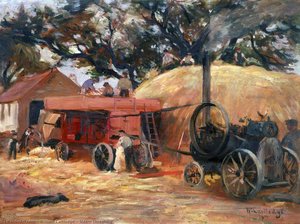
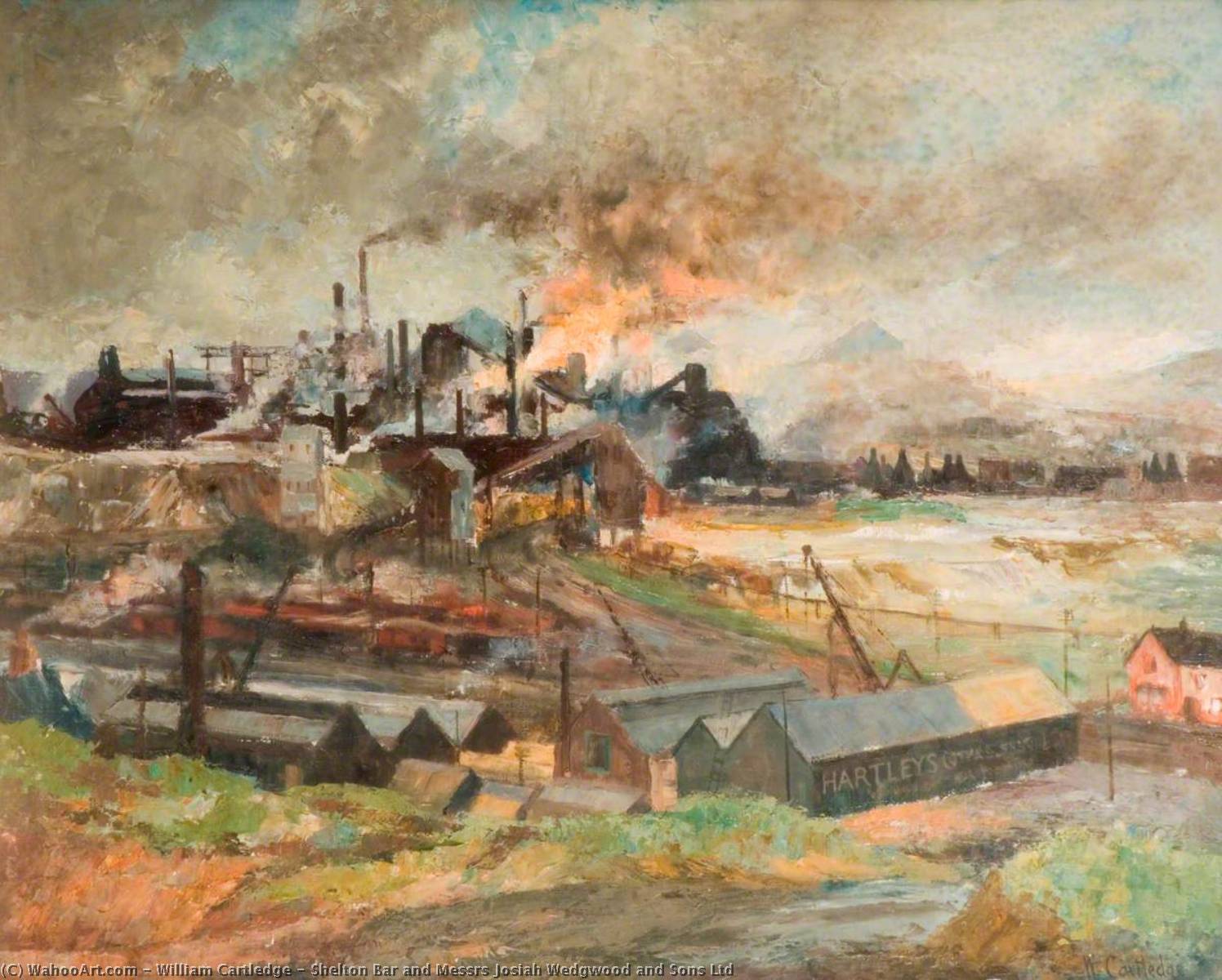
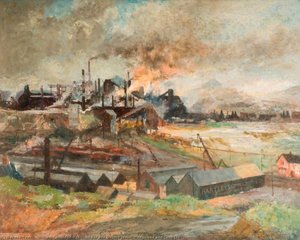
Shelton Bar and Messrs Josiah Wedgwood and Sons Ltd
 1949
1949 61.0 x 74.0 cm
 The Shire Hall Gallery
 Read More
Hand Made Oil Reproduction
Hand-painted oil on canvas in your size and frame, made to order by our artists. ( Buy Print Buy Image)




































Pick from our preset sizes that match the artwork's original proportions.

You may enter your own dimensions to fit a specific frame or space. If your selected size does not match the original image's proportions, we will either crop the artwork or extend the painting with additional hand-painted elements. A digital mockup will be sent for your approval before production begins.
Please note that the on-screen preview does not reflect the actual cropping or extension. Only the mockup will accurately show the final composition.
While custom sizes are available, we recommend selecting a dimension from the predefined list to preserve the original proportions.
After order, ArtsDot.com team will email client for instructions and provide a mockup preview
Worldwide Delivery () in 3/4 weeks instead of standard 5 weeks. (31 August). No compromise on quality.

Free Worldwide Express Shipping

High-Quality Linen Canvas

Full Shipping Insurance

Customs Tax Refund Guarantee

True Color Matching Guarantee

60-Day Return Policy (Defects Only)

100% Money-Back Guarantee

Bulk Discount Offer
 Glass option is only available in size under 110 CM

Shelton Bar and Messrs Josiah Wedgwood and Sons Ltd
Reproduction Medium
Reproduction Size
-


Total Price
$ 263
Related Artworks









Artist Biography
The Soul of the English Landscape: The Life and Art of William Cartledge
In the quiet, rolling expanses of the British countryside, where the mist clings to the hedgerows of Cheshire and the light shifts subtly over the Staffordshire plains, lies the enduring legacy of William Cartledge. Born in 1867 in Shelton Bar, Cheshire, Cartledge emerged during a transformative era in British history, a time when the industrial revolution began to reshape the very landscape he so lovingly documented. His work serves as a poignant visual diary of a vanishing world, capturing the delicate balance between the burgeoning modernity of the late Victorian period and the timeless, rhythmic pulse of rural life.
Cartledge’s artistic journey was one of rigorous discipline and profound refinement. His early training at the Newcastle Art School provided him with a sturdy foundation in the fundamentals of drawing and watercolor, but it was his subsequent move to London that would truly define his aesthetic trajectory. At the prestigious Slade School of Fine Art, he came under the mentorship of the legendary Frederic Leighton. From Leighton, the master of classical beauty and harmonious composition, Cartledge inherited a deep respect for light, shadow, and the ability to imbue a subject with emotional resonance through subtle visual cues. This classical lineage breathed a sense of dignity into his depictions of even the most humble agricultural scenes.
A Mastery of Light and Texture
What distinguishes a Cartledge painting is not merely the subject matter, but the palpable atmosphere that seems to breathe within the frame. He was a master of atmospheric perspective, employing a sophisticated, layered technique that allowed him to build depth through thin washes of color and meticulous glazing. This method enabled him to replicate the luminous quality of the English sky and the heavy, damp textures of the earth after a rainfall. When viewing his landscapes, one does not simply see a field; one feels the humidity in the air and hears the distant movement of livestock.
His commitment to realism was never about mere photographic imitation, but rather an unflinching honesty toward his subjects. While many of his contemporaries sought to present an idealized, pastoral utopia, Cartledge found beauty in the grit and labor of the countryside. His canvases often feature:
- The textures of agricultural life: The rough grain of wooden implements, the heavy coats of working animals, and the intricate patterns of harvested crops.
- Dynamic seasonal shifts: A profound ability to capture the specific light of a late autumn afternoon or the bright, sharp clarity of a spring morning.
- Humanity in motion: The integration of manual labor—such as the rhythmic intensity found in his depictions of steam threshing—into the broader natural environment.
Legacy and Historical Significance
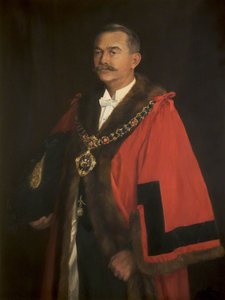
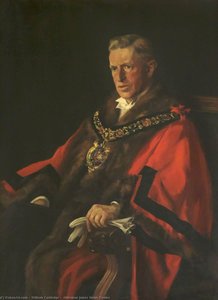
Beyond his landscapes, Cartledge was a formidable portraitist, capable of capturing the social hierarchy of his time with great sensitivity. His portrait of Sir William Kay, currently held at Manchester Town Hall, exemplifies this skill, showcasing his ability to render the rich textures of ceremonial robes and the dignified presence of his subjects. This duality—the ability to move between the grandiosity of formal portraiture and the intimate, earthy reality of rural life—marks him as a versatile and vital chronicler of the British spirit.
As the 20th century progressed and the social fabric of Britain underwent radical changes, Cartledge’s work remained a steadfast anchor to the past. He documented a way of life that was being steadily eroded by urbanization and industrial expansion. Today, his paintings are more than mere art; they are historical windows. Through his meticulous brushwork and emotive use of color, William Cartledge ensured that the essence of Victorian and Edwardian Britain—its light, its labor, and its quiet, enduring beauty—would never truly fade into obscurity.
Quick Facts
- Artistic Movement Or Style: Victorian Painting
- Artists Or Movements Influenced By This Artist: ['Pre-Raphaelitism']
- Artists Who Influenced This Artist: ['Gustave Dore']
- Date Of Death: Living
- Full Name: William Cartledge
- Nationality: British
- Notable Artworks:
- Steam Threshing
- Royal Portraits
- Place Of Birth: Shelton Bar, Cheshire, England