 Preview
 Send
Send Share
Share
 Details

 Download
 Similars
 X-Ray
X-Ray Diaporama
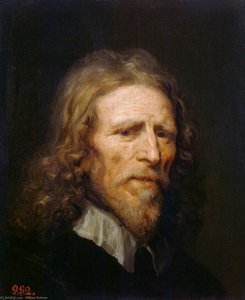
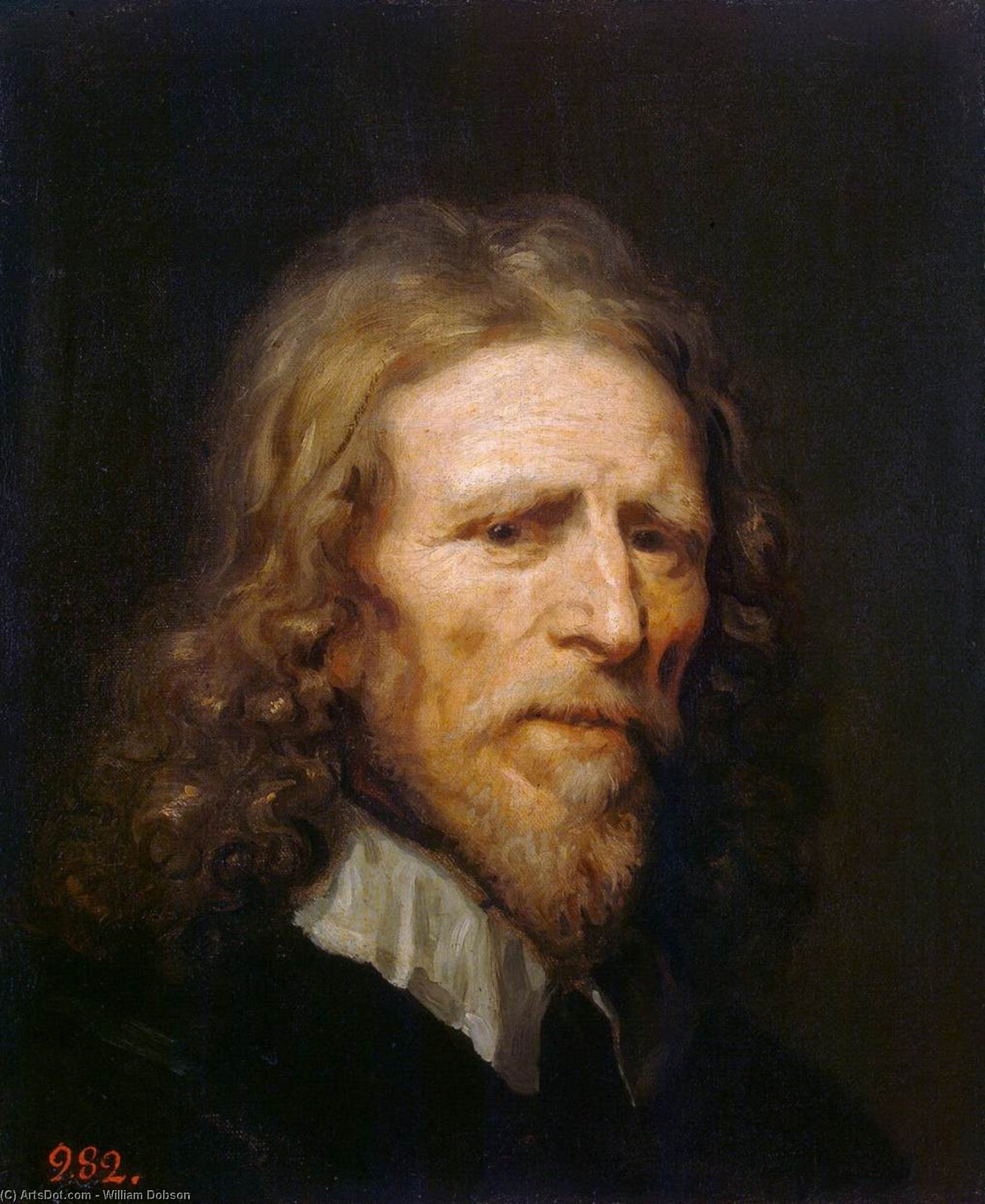
Portrait of Abraham van der Doort
 Acrylic On Canvas
- WallArt
- Venetian Portraiture
 1640
1640 45.0 x 38.0 cm
 Hermitage Museum
 Read More
Hand Made Oil Reproduction
Hand-painted oil on canvas in your size and frame, made to order by our artists. ( Buy Print Buy Image)




P118B $10

P118H $10

P118W $10

P438Z $10

P508JH $12

P508YH $12

P805H $10

P805Z $10

P919BZ $10

P919G $10

P919XJ $10

P959ZH $10

P968JZ $12

W106C $8

W218G $10

W218JH $8

W218Y $10

W307PJ $10

W316G $10

W316PJ $8

W316Y $10

W398PJ $8

W4111J $10

W500HY $15

W500JH $15

W692G $12

W849H $8

W940BG $15

W953PJ $8




Pick from our preset sizes that match the artwork's original proportions.

You may enter your own dimensions to fit a specific frame or space. If your selected size does not match the original image's proportions, we will either crop the artwork or extend the painting with additional hand-painted elements. A digital mockup will be sent for your approval before production begins.
Please note that the on-screen preview does not reflect the actual cropping or extension. Only the mockup will accurately show the final composition.
While custom sizes are available, we recommend selecting a dimension from the predefined list to preserve the original proportions.
After order, ArtsDot.com team will email client for instructions and provide a mockup preview
Worldwide Delivery () in 3/4 weeks instead of standard 5 weeks. (16 August). No compromise on quality.

Free Worldwide Express Shipping

High-Quality Linen Canvas

Full Shipping Insurance

Customs Tax Refund Guarantee

True Color Matching Guarantee

60-Day Return Policy (Defects Only)

100% Money-Back Guarantee

Bulk Discount Offer
 Glass option is only available in size under 110 CM

Portrait of Abraham van der Doort
Reproduction Medium
Reproduction Size
-


Total Price
$ 263
Artwork Description
A Venetian Echo in English Portraiture: Abraham van der Doort by William Dobson
The portrait of Abraham van der Doort, painted circa 1640 by William Dobson, isn’t merely a likeness; it's a carefully constructed window into the burgeoning artistic landscape of early Stuart England. Dobson, deeply influenced by the Venetian masters of his time – Titian and Veronese – imbued this work with a subtle yet profound sense of drama and psychological depth, qualities that distinguished him from many of his contemporaries. The painting captures van der Doort, Keeper of Charles I’s art collections, not as a static subject, but as a man wrestling with the weight of responsibility and perhaps, a hint of melancholy.
Dobson's technique is remarkably sophisticated for its time. He masterfully employs *sfumato*, a Venetian hallmark characterized by soft, hazy outlines and subtle gradations of tone, to create an atmosphere of quiet contemplation. Notice how the light gently caresses van der Doort’s face, blurring the edges of his features and lending him an air of dignified reserve. The use of color is restrained yet luminous – deep browns and ochres are balanced by touches of crimson in the velvet collar, drawing the eye to details that speak volumes about status and wealth. The background, a simple blue sky, serves not as a distraction but as a grounding element, emphasizing van der Doort’s presence within the composition.
A Man of His Time: Contextualizing Dobson's Portrait
To fully appreciate this portrait, it’s crucial to understand the historical context in which it was created. England during the mid-17th century was a nation grappling with religious upheaval and political instability – Charles I’s reign was marked by conflict and ultimately, his execution. Van der Doort himself played a pivotal role in this tumultuous period, serving as Keeper of the King's art collections, a position that placed him at the very heart of the royal court. Dobson, recognizing the significance of this subject, crafted an image that transcends simple representation; it’s a subtle commentary on power, responsibility, and perhaps even the anxieties of leadership.
The portrait also reflects the growing influence of Venetian art in England. Dobson had spent time studying in Venice, absorbing its artistic principles and techniques. This is evident in his masterful use of light, color, and composition – elements that were central to the Venetian style. However, Dobson didn’t simply imitate; he adapted these influences to create a distinctly English portraiture, one that retained the formality and dignity associated with royal commissions while incorporating a more nuanced and psychologically complex approach.
Symbolism and Emotional Resonance
Beyond its technical brilliance, the portrait is rich in symbolic detail. Van der Doort’s attire – the velvet collar, the embroidered cuffs – speaks to his elevated social standing. The slightly furrowed brow and the subtle downward turn of his mouth suggest a contemplative nature, perhaps burdened by the responsibilities he carried as Keeper of the King's art. The painting isn’t overtly celebratory; instead, it offers a glimpse into the inner life of a man navigating a complex and challenging world.
Dobson’s ability to convey such subtle emotions through his masterful use of light and shadow is truly remarkable. The portrait invites us to engage with van der Doort on an emotional level, prompting us to consider not just *who* he was, but *how* he felt. It's a testament to Dobson’s skill as a portraitist – and a poignant reminder of the human drama that unfolded during one of England’s most turbulent periods.
A Legacy in Reproduction: Bringing Dobson’s Vision to Life
Reproductions of this captivating portrait offer an exceptional opportunity to experience Dobson's artistry firsthand. Whether enjoyed as a fine art print, a canvas reproduction, or even a digital image, the painting retains its power and emotional resonance. Consider framing options that complement the artwork’s rich tones and subtle details – a simple black frame will allow the subject to take center stage, while a more ornate frame can add a touch of historical elegance. This portrait is not just a depiction of a man; it's a window into a bygone era—a testament to the enduring power of art to capture both the outward appearance and the inner spirit of its subjects.
Related Artworks
Artist Biography
William Dobson: The Venetian Echoes of English Portraiture
William Dobson (4 March 1611 (baptised); 28 October 1646 (buried)) stands as a pivotal figure in the early history of English painting, recognized by contemporaries like John Aubrey as “the most excellent painter that England has yet bred.” His legacy resides not merely in his output—approximately sixty surviving portraits—but in establishing a distinctly Venetian aesthetic within British artistic circles during the turbulent years of the Restoration. Dobson’s career began amidst the burgeoning Nazarene school movement, which championed a return to classical ideals and a rejection of Mannerist excesses. He received formal training under William Peake and Francis Cleyn, absorbing stylistic cues from established masters like Titian and Anthony van Dyck—the latter serving as court painter for King Charles I.- Early Life & Training: Dobson was born in London, the son of a lawyer, shaping his artistic sensibilities within a privileged intellectual environment. His apprenticeship under Peake and Cleyn provided invaluable experience in mastering technical skills and understanding compositional principles.
- Venetian Influence: Dobson’s formative years coincided with the ascendancy of Venetian art, profoundly impacting his visual vocabulary. Unlike van Dyck, who largely eschewed direct imitation, Dobson actively studied Titian's techniques—particularly his masterful use of color and glazing—incorporating these innovations into his own canvases.
- Royal Commissions & Artistic Flourishing: Dobson’s fortunes shifted dramatically with Charles I’s reign, securing lucrative commissions from the royal court. He became Serjeant Painter to the King and Groom of the Privy Chamber, cementing his position as a leading artist of the era.
The Cromwellian Years & Cavalier Portraits
Dobson's artistic output during the English Civil War is marked by an unwavering commitment to portraying the nobility—primarily cavaliers—who defended the monarchy against Parliamentarian forces. His depictions capture not only physical likeness but also psychological nuance, reflecting the anxieties and aspirations of a nation embroiled in conflict. Notable portraits include those of Charles Lucas and John Byron, Prince Rupert of the Rhine, demonstrating Dobson’s ability to convey character through subtle gestures and expressions.- Oxford & The Cromwellian Court: Dobson established his studio at Oxford during the siege, immersing himself in the artistic milieu of the royalist stronghold.
- Notable Commissions: He undertook numerous commissions documenting the lives of prominent figures on both sides of the divide—a testament to his reputation and versatility as an artist.
Dobson's Finest Work & Legacy
Dobson’s artistic zenith arrived during Charles II’s restoration, securing prestigious roles within the royal court and producing arguably his most celebrated masterpiece: a portrait of Prince Charles at around twelve years old. This ambitious composition exemplifies Dobson’s mastery of Baroque technique—characterized by dramatic lighting, rich color palettes, and an opulent textural surface—establishing him as one of England's foremost painters. His oeuvre includes portraits of Duke of York and other influential cavaliers, securing his place in art history as a pioneer of Venetian influence in British painting.- The Portrait of Prince Charles: Considered Dobson’s magnum opus, this portrait showcases exceptional detail and psychological insight—a hallmark of his artistic style.
Concluding Thoughts
Dobson's contribution to English art transcends mere stylistic imitation; he fostered a dialogue between Venetian tradition and British sensibility, shaping the visual landscape of the Restoration and securing his enduring reputation as “the most excellent painter that England has yet bred.” His work continues to inspire admiration for its beauty, technical prowess, and profound understanding of human character.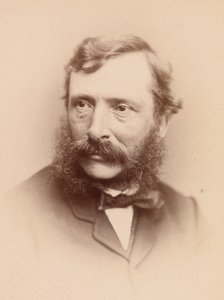
william charles thomas dobson
1610 - 1646 , Germany
Quick Facts
- Artistic Movement Or Style: Venetian Art Influence
- Artists Or Movements Influenced By This Artist:
- Titian
- Anthony van Dyck
- Artists Who Influenced This Artist:
- William Peake
- Francis Cleyn
- Date Of Birth: December 8, 1610
- Date Of Death: January 30, 1646
- Full Name: William Charles Thomas Dobson
- Nationality: German
- Notable Artworks:
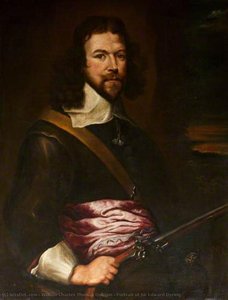
- Portrait of Sir Edward Dering
- Jacob hall, rope dancer
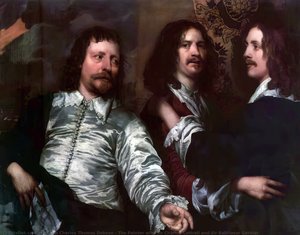
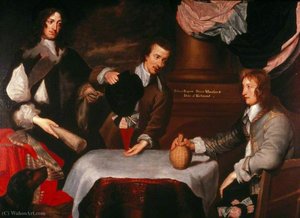
- The Painter with Sir Charles Cottrell and Sir Balthasar Gerbier
- Place Of Birth: Hamburg, Germany
Related Articles
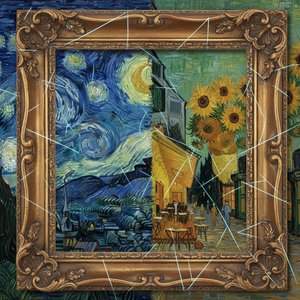
Van Gogh's Masterpieces: Explore 25 Iconic Paintings & Art for Your Home
Journey through Vincent van Gogh's 25 most iconic paintings! Explore 'Starry Night', 'Sunflowers,' and more—discover the stories, techniques & emotions behind these Post-Impressionist masterpieces. Find museum-quality art reproductions for your home at ArtsDot.com.
Early Netherlandish Masters: 10 Paintings That Revolutionized Art & Decor
Journey into the Early Netherlandish Renaissance! Explore 10 iconic paintings by Jan van Eyck, Rogier van der Weyden & more. Discover stunning detail, symbolism, and oil painting techniques. Find museum-quality art reproductions for your home at ArtsDot.com.
Hugo van der Goes: Devotion, Innovation & the Psychological Depth of Early Netherlandish Painting
Explore the revolutionary art of Hugo van der Goes – a master of Early Netherlandish painting renowned for his dramatic realism, psychological depth & profound influence on Renaissance artists. Discover his iconic works and lasting legacy.

Rembrandt's Masterpieces: Explore 25 Iconic Paintings & Prints | ArtsDot
Journey through Rembrandt van Rijn's 25 most iconic paintings & etchings. Explore Dutch Golden Age masterpieces, dramatic chiaroscuro, and timeless portraits. Find museum-quality art reproductions to elevate your home decor on ArtsDot.com.

Early Netherlandish Masters: 10 Paintings That Revolutionized Art & Decor
Journey into the world of Early Netherlandish painting! Explore 10 masterpieces by Jan van Eyck, Rogier van der Weyden & more. Discover stunning detail, symbolism & Renaissance art for your home decor. Find museum-quality reproductions on ArtsDot.com