

 Preview
 Send
Send Share
Share
 Details

 Download
 Similars
 X-Ray
X-Ray Diaporama
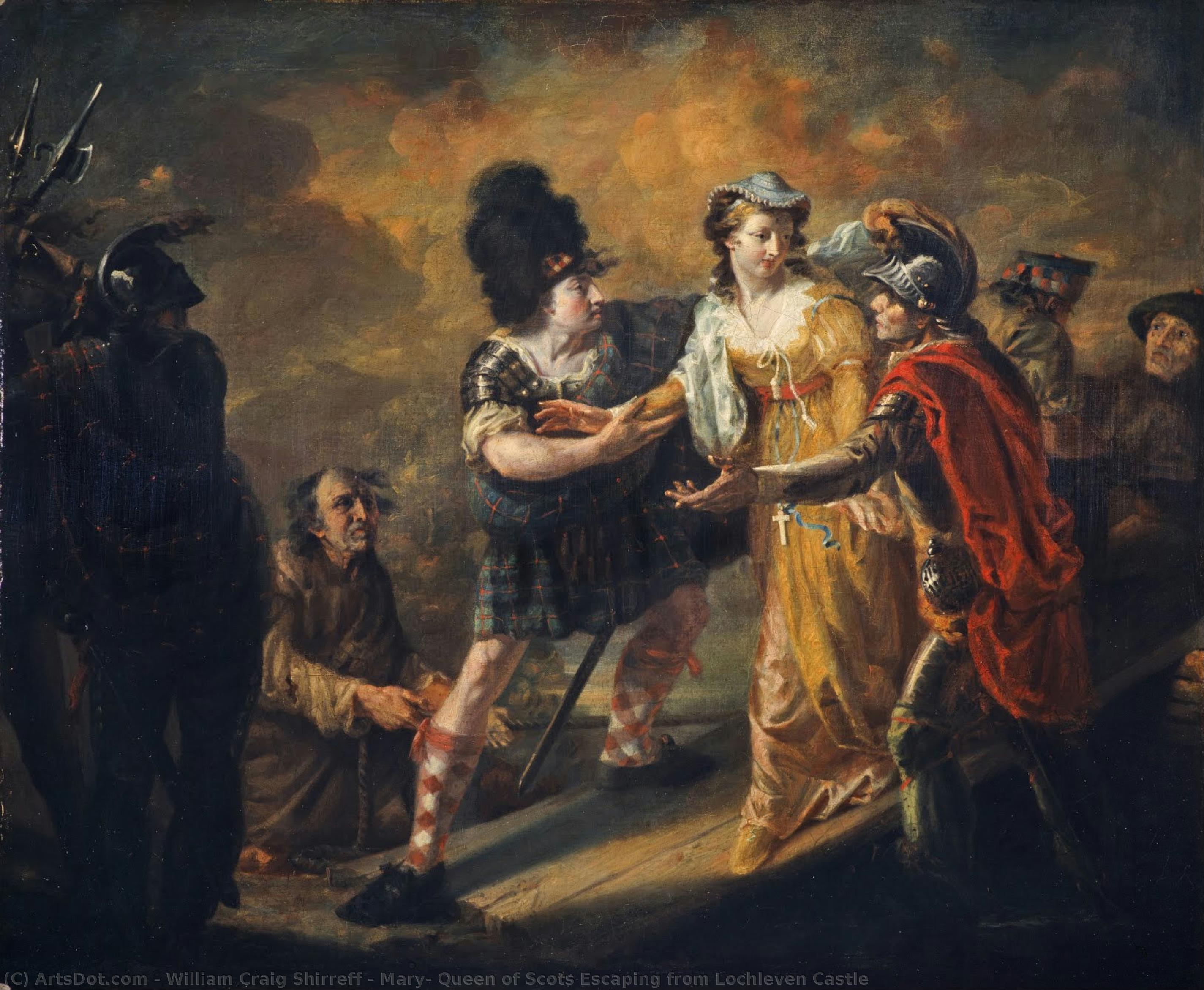
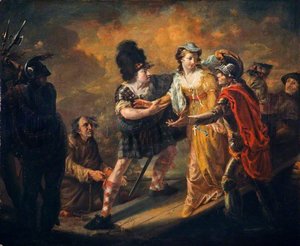
Mary, Queen of Scots Escaping from Lochleven Castle
 1805
1805 77.0 x 92.0 cm
 Scottish National Gallery
 Read More
Purchase a high-resolution, enhanced digital image, far superior to the online preview.
Each file is meticulously prepared by our in-house specialists using advanced tools and expert manual retouching. We ensure every image has exceptional clarity, precise color accuracy, and fine detail.
The final file is delivered via email within 72 hours, optimized for immediate use in professional, editorial, and print environments. This is the same quality trusted by top-tier design studios, publishers, and galleries.
Digital Image
Download a high-resolution file for personal display, printing, and creative projects. ( Buy Print Buy Hand Made Painting)
Included in Every Digital Image Order
Expert Digital Delivery, Guaranteed
When you choose ArtsDot.com, you're not just getting an image - you're receiving a professionally enhanced digital artwork, crafted with precision and backed by a satisfaction guarantee. Here's everything that comes with your order, automatically:

Fast Email Delivery
Your high-resolution digital image file will be emailed to you within 72 hours of ordering - ready for immediate use.

AI-Enhanced Digital File
Your artwork is professionally optimized using advanced AI tools and manual editing, ensuring maximum detail, clarity, and color accuracy.

Free Lifetime Re-Delivery
Accidentally deleted or lost your file? No worries - we'll resend it to you anytime, free of charge.

No Import Fees - Ever
Enjoy your artwork instantly with zero customs, duties, or delivery fees - digital downloads are always tax-free.

Color Accuracy Guarantee
We ensure your digital image reflects the original colors as closely as possible using professional tools and color management.

60-Day Satisfaction Guarantee
If you're not satisfied with your digital image, we'll revise it or refund 100% within 60 days - no questions asked.

100% Money-Back Guarantee
Not satisfied? Get a full refund within 60 days of receiving your digital file - no questions asked.

Bulk Order Discounts
Buy 3 images, save 10% - Buy 5, save 15% - Buy 10+, save 20%. Great for creative projects, galleries, and agencies.
Related Artworks






Artist Biography
Henry Fuseli: Architect of the Night
Johann Heinrich Füssli, later known as Henry Fuseli, remains a figure of enduring fascination and intrigue within the art world. Born in 1741 in Zurich, Switzerland, he wasn’t merely an artist; he was a conduit between the Enlightenment's rationalism and the burgeoning Romantic sensibility that would soon sweep across Europe. His life, marked by both intellectual pursuits and dramatic personal events, profoundly shaped his artistic vision, culminating in works like *The Nightmare*, a painting that continues to haunt and captivate viewers centuries later.
Fuseli’s early years were steeped in the traditions of the Swiss Evangelical Reformed Church, where his father served as a pastor. Initially destined for the ministry himself, he abandoned theological studies after a political upheaval forced him into exile in 1761. This experience instilled within him a deep sense of displacement and a fascination with the darker aspects of human psychology – themes that would become central to his artistic output. He relocated to London in 1764, seeking patronage and artistic opportunities, and quickly established himself as a painter, initially producing portraits before gravitating towards more dramatic and imaginative subjects.
Fuseli’s artistic development was significantly influenced by the classical ideals championed by Sir Joshua Reynolds at the Royal Academy. However, unlike Reynolds' emphasis on idealized beauty and historical narratives, Fuseli embraced a darker aesthetic, drawing inspiration from the works of Michelangelo and exploring themes of anxiety, obsession, and the subconscious. His early travels to Italy provided him with direct exposure to these influences, shaping his technique and informing his artistic sensibilities. He was particularly interested in the dramatic lighting and emotional intensity found in Baroque art, which he skillfully incorporated into his own compositions.
The Birth of a Nightmare
*The Nightmare*, painted in 1781 and first exhibited at the Royal Academy that year, is arguably Fuseli’s most famous work. It depicts a woman lying prone on her bed, seemingly trapped within a terrifying dream. The scene is dominated by an incubus – a demonic figure often associated with nocturnal terrors – who perches upon her chest, while a horse with glowing eyes emerges from the shadows. The composition is strikingly theatrical, employing chiaroscuro to create a sense of dramatic tension and highlighting the vulnerability of the sleeping woman.
The painting’s immediate impact was profound. Critics were initially shocked by its overt sexuality and unsettling imagery, viewing it as a departure from the prevailing artistic norms of the time. However, this very reaction fueled its popularity, transforming *The Nightmare* into an instant sensation. The work quickly became a subject of fascination for writers like Mary Shelley, who drew inspiration from its themes of fear, obsession, and the subconscious when crafting her seminal novel, *Frankenstein*. Fuseli himself produced multiple versions of the painting, further solidifying its iconic status.
The symbolism within *The Nightmare* is rich and complex. The incubus represents a primal fear – the threat of sexual violation and demonic possession. The horse, often interpreted as a mare in folklore, symbolizes nightmares themselves, embodying the irrational forces that can torment the sleeping mind. The woman’s pose—arms flung out, neck extended—suggests a state of helpless vulnerability, while her pale complexion and wide-open eyes convey a sense of terror and disorientation. The painting's enduring power lies in its ability to tap into universal anxieties about sleep, dreams, and the hidden depths of the human psyche.
A Life Shaped by Darkness
Despite *The Nightmare*'s initial success, Fuseli’s career was marked by periods of instability and hardship. He struggled for recognition throughout much of his life, facing rejection from the Royal Academy and enduring financial difficulties. His personal life was also fraught with challenges, including a tumultuous marriage to Maria Anna, who tragically died in 1780. This loss profoundly affected him, contributing to a sense of melancholy and isolation that permeated his later work.
In 1788, Fuseli was elected an associate of the Royal Academy, a significant achievement that marked a turning point in his career. He continued to teach at the academy for several decades, shaping the artistic sensibilities of a new generation of painters. He also served as keeper of the Academy from 1804 until his death in 1825, cementing his position as a respected figure within the British art establishment.
Legacy and Influence
Henry Fuseli’s legacy extends far beyond *The Nightmare*. His exploration of psychological themes—particularly anxiety, obsession, and the subconscious—prefigured many of the developments in psychoanalysis that would emerge in the 20th century. His dramatic compositions and masterful use of chiaroscuro influenced a wide range of artists, including William Blake, whose own work often explored similar themes of darkness and the supernatural.
Fuseli’s paintings continue to be studied and admired for their emotional intensity, symbolic richness, and enduring power to evoke a sense of unease and fascination. He remains a pivotal figure in the transition from Neoclassicism to Romanticism, embodying the shift towards an appreciation of emotion, imagination, and the darker aspects of human experience. His work serves as a potent reminder of the enduring mysteries that lie beneath the surface of our conscious minds.
william craig shirreff
1781 - 1847 , United Kingdom
Quick Facts
- Artistic Movement Or Style: Rococo, Romanticism
- Artists Or Movements Influenced By This Artist:
- William Blake
- Romanticism
- Artists Who Influenced This Artist:
- Michelangelo
- classical art
- Date Of Birth: February 7, 1741
- Date Of Death: April 16, 1825
- Full Name: Henry Fuseli
- Nationality: Swiss
- Notable Artworks:
- The Nightmare
- Hercules and Antaeus
- Satyr Embossing a Shield
- Place Of Birth: Zürich, Switzerland

