 Preview
 Send
Send Share
Share
 Details

 Download
 Similars
 X-Ray
X-Ray Diaporama
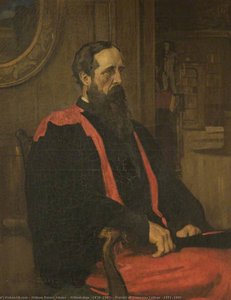
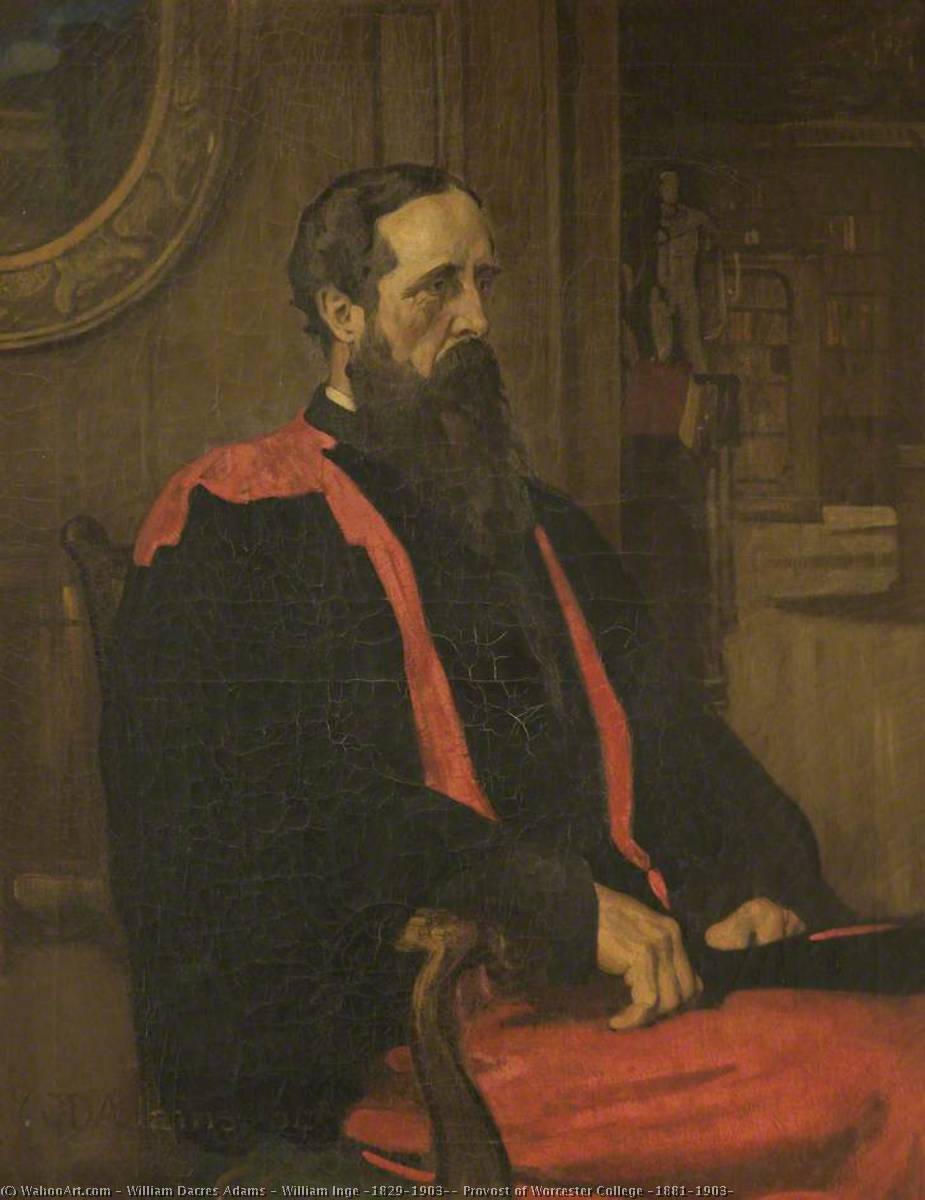
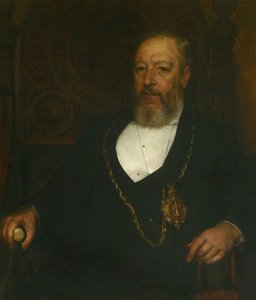
William Inge (1829–1903), Provost of Worcester College (1881–1903)
 1904
1904 102.0 x 94.0 cm
 Worcester College
 Read More
Hand Made Oil Reproduction
Hand-painted oil on canvas in your size and frame, made to order by our artists. ( Buy Print Buy Image)




































Pick from our preset sizes that match the artwork's original proportions.

You may enter your own dimensions to fit a specific frame or space. If your selected size does not match the original image's proportions, we will either crop the artwork or extend the painting with additional hand-painted elements. A digital mockup will be sent for your approval before production begins.
Please note that the on-screen preview does not reflect the actual cropping or extension. Only the mockup will accurately show the final composition.
While custom sizes are available, we recommend selecting a dimension from the predefined list to preserve the original proportions.
After order, ArtsDot.com team will email client for instructions and provide a mockup preview
Worldwide Delivery () in 3/4 weeks instead of standard 5 weeks. (24 August). No compromise on quality.

Free Worldwide Express Shipping

High-Quality Linen Canvas

Full Shipping Insurance

Customs Tax Refund Guarantee

True Color Matching Guarantee

60-Day Return Policy (Defects Only)

100% Money-Back Guarantee

Bulk Discount Offer
 Glass option is only available in size under 110 CM

William Inge (1829–1903), Provost of Worcester College (1881–1903)
Reproduction Medium
Reproduction Size
-


Total Price
$ 263
Related Artworks









Artist Biography
William Dacres Adams: A Victorian Observer of British Life
William Dacres Adams (1864-1951) wasn’t a name that immediately leaps to mind when discussing the titans of 19th-century British art. Yet, within the vast landscape of Victorian painting—a period defined by meticulous detail and a deep engagement with documenting everyday life—Adams carved out a distinctive niche as a skilled painter of landscapes, portraits, and architectural subjects. His work offers a remarkably intimate glimpse into the social fabric and regional character of Britain during a transformative era, revealing a keen eye for observation and a subtle yet powerful ability to capture mood and atmosphere.
Born in Reading, Adams’ artistic journey began modestly. He initially pursued studies at the Royal College of Art in London, where he honed his technical skills and developed an appreciation for the academic traditions of painting. However, unlike many of his contemporaries who gravitated towards grand historical scenes or idealized depictions of nobility, Adams found himself drawn to a more grounded subject matter – the familiar landscapes and vernacular architecture of his native England. This choice wasn’t merely stylistic; it reflected a growing interest in portraying the realities of rural life and the changing social dynamics of the time.
The Landscape Painter's Eye
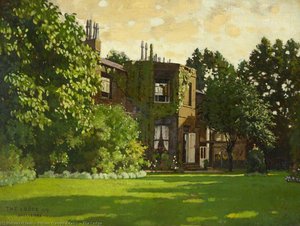
Adams is perhaps best known for his meticulously rendered depictions of English countryside scenes. His landscapes aren’t dramatic vistas or sweeping panoramas, but rather carefully observed moments – a quiet village street, a weathered farmhouse, a meandering riverbank. He possessed an extraordinary ability to capture the subtle nuances of light and shadow, the textures of stone and thatch, and the ever-changing moods of the weather. His paintings are infused with a sense of tranquility and authenticity, evoking a feeling of being present in these places and times.
Influences on Adams’ work can be traced to several sources. The Romantic painters, particularly Turner, undoubtedly shaped his understanding of light and atmosphere. Ruskin's writings on the beauty of nature and the importance of depicting England truthfully also resonated deeply with Adams’ artistic sensibilities. However, unlike some of his predecessors who idealized the countryside, Adams presented a more realistic portrayal—warts and all—reflecting the hardships and simple pleasures of rural life.
Portraits and Architectural Studies
While landscapes dominated much of his output, Adams was also a proficient portrait painter and architectural draughtsman. His portraits often depicted members of the local gentry and landed families, capturing their personalities with quiet dignity and subtle psychological insight. He wasn’t interested in flamboyant displays of wealth or social status; instead, he sought to reveal the character and spirit of his subjects through carefully observed details – a thoughtful gaze, a gesture of repose, or a glimpse of a familiar setting.
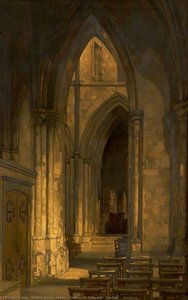
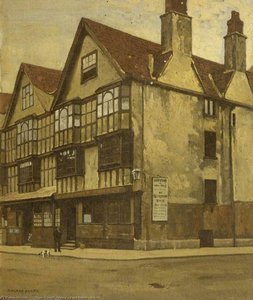
His architectural studies are equally noteworthy. Adams meticulously documented buildings across Norfolk, Suffolk, and other eastern counties, producing detailed drawings and paintings that offer valuable insights into the vernacular architecture of the region. These works demonstrate his keen eye for detail and his ability to capture the essence of a building’s form and character. He wasn't simply recording structures; he was conveying their history and significance within the landscape.
A Legacy of Observation
William Dacres Adams’ contribution to British art lies not in revolutionary innovations or grand narratives, but rather in his quiet, persistent observation of everyday life. He captured a slice of Victorian England that is both familiar and strangely poignant—a world on the cusp of change, grappling with industrialization, urbanization, and social upheaval. His paintings offer a valuable record of regional character, architectural detail, and the lives of ordinary people. Adams’ work continues to be appreciated for its technical skill, atmospheric quality, and its ability to evoke a sense of place and time—a testament to the power of quiet observation in art.
His paintings are held in several collections, including the ArtsDot collection, showcasing his dedication to capturing the essence of British life.
william dacres adams
1864 - 1951
Quick Facts
- Artistic Movement Or Style: Landscape & Portrait
- Artists Who Influenced This Artist: ['None],\n "Artists or movements influenced by this artist": [None']
- Date Of Birth: 1864
- Date Of Death: 1951
- Full Name: William Dacres Adams
- Nationality: British
- Notable Artworks:
- King Street, Bristol
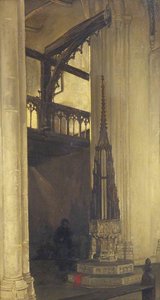
- The Font, Salle Church
- Place Of Birth: Reading, UK