 Preview
 Send
Send Share
Share
 Details

 Download
 Similars
 X-Ray
X-Ray Diaporama
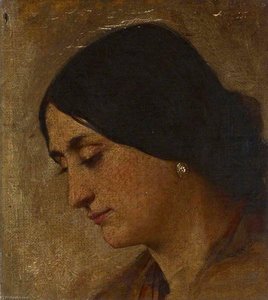
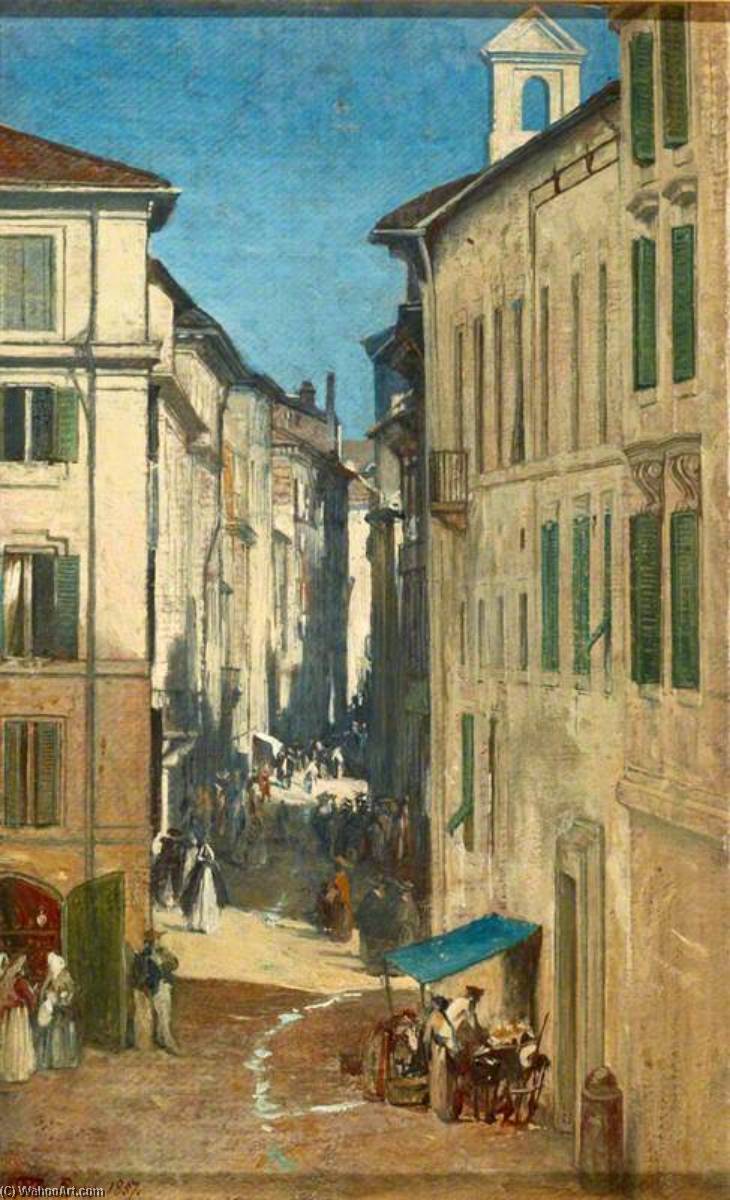
A Street in Rome
 1857
1857 17.0 x 10.0 cm
 Read More
Hand Made Oil Reproduction
Hand-painted oil on canvas in your size and frame, made to order by our artists. ( Buy Print Buy Image)




































Pick from our preset sizes that match the artwork's original proportions.

You may enter your own dimensions to fit a specific frame or space. If your selected size does not match the original image's proportions, we will either crop the artwork or extend the painting with additional hand-painted elements. A digital mockup will be sent for your approval before production begins.
Please note that the on-screen preview does not reflect the actual cropping or extension. Only the mockup will accurately show the final composition.
While custom sizes are available, we recommend selecting a dimension from the predefined list to preserve the original proportions.
After order, ArtsDot.com team will email client for instructions and provide a mockup preview
Worldwide Delivery () in 3/4 weeks instead of standard 5 weeks. (21 August). No compromise on quality.

Free Worldwide Express Shipping

High-Quality Linen Canvas

Full Shipping Insurance

Customs Tax Refund Guarantee

True Color Matching Guarantee

60-Day Return Policy (Defects Only)

100% Money-Back Guarantee

Bulk Discount Offer
 Glass option is only available in size under 110 CM

A Street in Rome
Reproduction Medium
Reproduction Size
-


Total Price
$ 263
Related Artworks

Artist Biography
Sir William Fettes Douglas: A Visionary of Mysticism and Detail
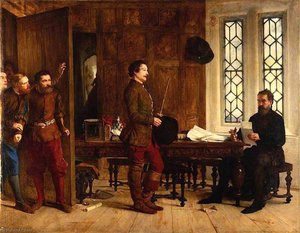
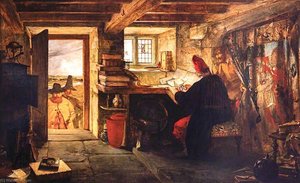
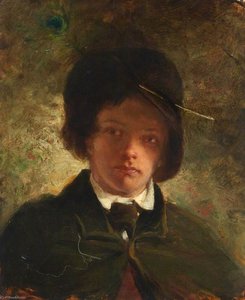
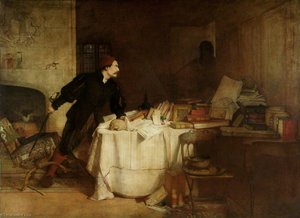
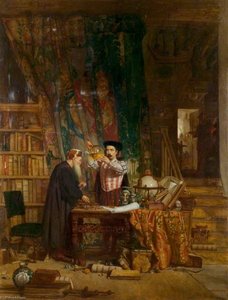
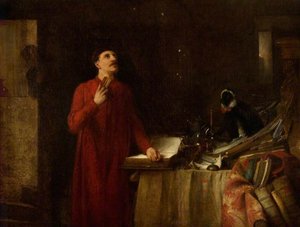
William Fettes Douglas (1822–1891) stands as a prominent figure in Scottish Pre-Raphaelite art, celebrated for his profound engagement with esoteric subjects and his masterful execution—a testament to meticulous observation and artistic sensitivity. Born in Edinburgh on March 12th, 1822, he descended from a lineage steeped in aristocratic tradition; his father, James Douglas, was accountant for the Commercial Bank of Scotland, while his maternal grandmother, Martha Brook, possessed connections to Sir William Fettes, Bart., the founder of Fettes College—a formative influence shaping his intellectual and artistic upbringing. Douglas’s artistic journey began modestly, fueled by a passion cultivated during his studies at Edinburgh High School. Rather than pursuing formal academic training, he honed his skills through self-directed practice, diligently sketching landscapes and honing his draughtsmanship with the guidance of fellow artists Alexander Fraser and James Abbott MacKenzie Whistler. This dedication to independent study proved crucial in developing his distinctive style—one characterized by an unwavering commitment to accuracy and a fascination for capturing atmospheric subtleties. His artistic breakthrough arrived in 1845 when he debuted at the Royal Scottish Academy, immediately garnering acclaim for canvases imbued with a palpable spiritual resonance. Notably influenced by Dante Gabriel Rossetti and John Ruskin, Douglas embraced themes rooted in mythology, folklore, and biblical narratives—subjects that demanded both intellectual contemplation and technical virtuosity. His paintings frequently explored notions of mortality, symbolism, and psychological depth, reflecting the broader aesthetic currents of the Pre-Raphaelite Brotherhood. Douglas’s artistic output flourished throughout the 1850s and 60s, producing masterpieces such as “The Ruby Ring” (1853), “The Alchemist” (1855), and “Hudibras and Ralph Visiting the Astrologer” (1856)—adaptations of Chaucer’s satirical poem—demonstrating his ability to reinterpret literary classics with visual splendor. His depiction of Rosicrucians in 1856 exemplifies his fascination with esoteric traditions, while "The Spell" showcases a masterful command of color and texture. Furthermore, portraits like “David Laing, LL.D.” reveal Douglas’s meticulous attention to detail and psychological nuance—skills honed through anatomical studies alongside botanical pursuits. Throughout his career, Douglas maintained an unwavering dedication to artistic exploration, undertaking several expeditions to Italy where he absorbed the inspiration of Renaissance art and architecture. His legacy resides not only in his impressive oeuvre but also in his role as President of the Royal Scottish Academy from 1860 until his death in 1891—a position that solidified his influence within Scotland’s artistic community. Sir William Fettes Douglas remains a significant figure in Pre-Raphaelite art history, remembered for his visionary imagination and unparalleled technical skill—artists who sought to recapture the spirit of early Renaissance painting.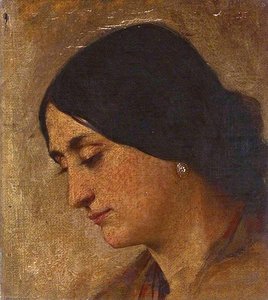
William Fettes Douglas
1822 - 1881
Quick Facts
- Artistic Movement Or Style: Pre-Raphaelite
- Artists Or Movements Influenced By This Artist: ['Romanticism']
- Artists Who Influenced This Artist:
- John Ruskin
- Edward Burne-Jones
- Date Of Birth: 1822
- Date Of Death: 1891
- Full Name: William Fettes Douglas
- Nationality: Scottish
- Notable Artworks:
- The Summons to the Secret Tribunal
- Stonehaven Harbour
- Place Of Birth: Edinburgh, Scotland