

 Preview
 Send
Send Share
Share
 Details

 Download
 Similars
 X-Ray
X-Ray Diaporama
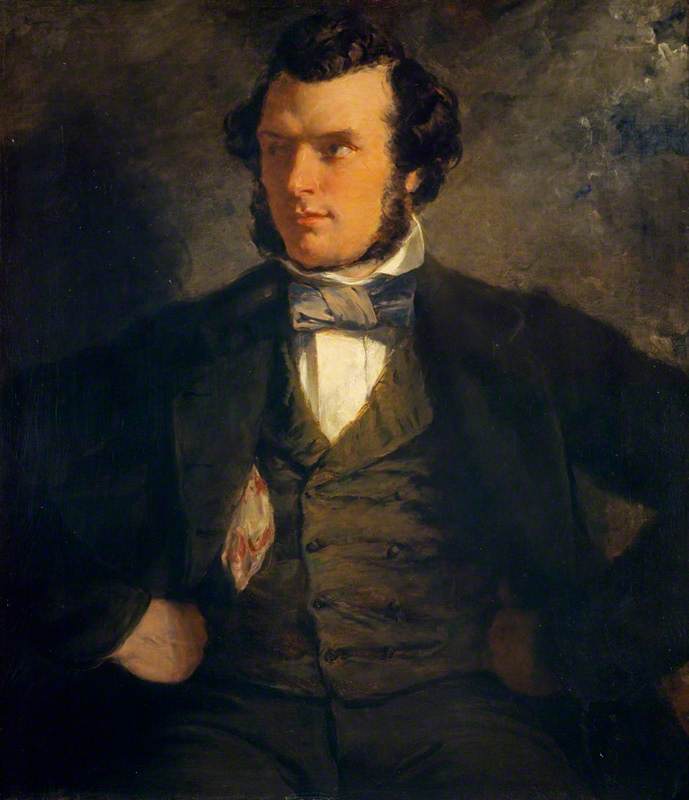
Thomas Faed (1826–1900), Artist
 1850
1850 86.0 x 74.0 cm
 Read More
Purchase a high-resolution, enhanced digital image, far superior to the online preview.
Each file is meticulously prepared by our in-house specialists using advanced tools and expert manual retouching. We ensure every image has exceptional clarity, precise color accuracy, and fine detail.
The final file is delivered via email within 72 hours, optimized for immediate use in professional, editorial, and print environments. This is the same quality trusted by top-tier design studios, publishers, and galleries.
Digital Image
Download a high-resolution file for personal display, printing, and creative projects. ( Buy Print Buy Hand Made Painting)
Included in Every Digital Image Order
Expert Digital Delivery, Guaranteed
When you choose ArtsDot.com, you're not just getting an image - you're receiving a professionally enhanced digital artwork, crafted with precision and backed by a satisfaction guarantee. Here's everything that comes with your order, automatically:

Fast Email Delivery
Your high-resolution digital image file will be emailed to you within 72 hours of ordering - ready for immediate use.

AI-Enhanced Digital File
Your artwork is professionally optimized using advanced AI tools and manual editing, ensuring maximum detail, clarity, and color accuracy.

Free Lifetime Re-Delivery
Accidentally deleted or lost your file? No worries - we'll resend it to you anytime, free of charge.

No Import Fees - Ever
Enjoy your artwork instantly with zero customs, duties, or delivery fees - digital downloads are always tax-free.

Color Accuracy Guarantee
We ensure your digital image reflects the original colors as closely as possible using professional tools and color management.

60-Day Satisfaction Guarantee
If you're not satisfied with your digital image, we'll revise it or refund 100% within 60 days - no questions asked.

100% Money-Back Guarantee
Not satisfied? Get a full refund within 60 days of receiving your digital file - no questions asked.

Bulk Order Discounts
Buy 3 images, save 10% - Buy 5, save 15% - Buy 10+, save 20%. Great for creative projects, galleries, and agencies.
Related Artworks









Artist Biography
The Visionary of Edinburgh: The Life and Legacy of Sir William Fettes Douglas
In the heart of nineteenth-century Edinburgh, a period defined by both industrial progress and a deep reverence for the arcane, Sir William Fettes Douglas emerged as a painter of profound spiritual and intellectual depth. Born on March 12th, 1822, Douglas was a man whose very lineage whispered of tradition and prestige. As the son of James Douglas, an esteemed accountant for the Commercial Bank of Scotland, and the grand-nephew of the illustrious Sir William Fettes, his upbringing was steeped in the cultural fabric of Scotland’s elite. Yet, beneath this veneer of aristocratic stability lay a restless, searching spirit that would eventually lead him away from the ledger books of banking and toward the ethereal realms of the Pre-Raphaelite aesthetic.
Douglas’s path to mastery was notably unconventional. Eschewing the rigid confines of formal academic training in his early years, he embraced a more intimate, self-directed method of discovery. His education at the High School of Edinburgh provided the foundation, but it was through diligent sketching and the mentorship of fellow artists like Alexander Fraser and even the legendary James Abbott MacKenzie Whistler that his draughtsmanship began to flourish. This period of independent study instilled in him a lifelong commitment to meticulous observation—a trait that would become his hallmark. He did not merely seek to paint what he saw, but to capture the atmospheric subtleties and the hidden, often mystical, truths residing within the physical world.
A Tapestry of Myth, Mystery, and Meticulous Detail
The true ascent of Douglas’s career began in 1845 with his debut at the Royal Scottish Academy. It was here that the art world first encountered his unique ability to imbue canvas with a palpable spiritual resonance. Heavily influenced by the aesthetic philosophies of John Ruskin and the evocative imagery of Dante Gabriel Rossetti, Douglas turned his gaze toward themes of mythology, folklore, and biblical narrative. His work became a bridge between the tangible and the transcendent, where every brushstroke served to explore complex notions of mortality, symbolism, and psychological depth.
His masterpieces from the mid-nineteenth century serve as windows into a world of enchantment and scholarly intrigue. Consider his evocative works such as:
- The Ruby Ring (1853): A piece that exemplifies his ability to weave narrative tension with jewel-like precision.
- The Alchemist (1855): A profound exploration of transformation and the esoteric pursuit of knowledge.
- The Spell (1864): Currently housed in the National Galleries of Scotland, this work showcases his mastery of light and shadow, depicting a scene of quiet, ritualistic intensity that leaves the viewer suspended in a moment of magic.
- The Summons to the Secret Tribunal (1860): A captivating composition where books, clocks, and papers create an atmosphere of heavy mystery and intellectual weight.
In these paintings, Douglas utilized a technique characterized by an unwavering commitment to accuracy. His ability to render textures—the cold gleam of metal, the weathered grain of ancient wood, or the soft glow of candlelight—created a sense of hyper-reality that heightened the supernatural elements of his subjects.
Ascension and Historical Significance
As his reputation grew, so too did his influence within the Scottish art establishment. Douglas was not merely a practitioner of his craft but a true connoisseur and leader of his era. His rise to the position of President of the Royal Scottish Academy marked the pinnacle of his professional achievements, signaling the respect he commanded among his peers. He became a central figure in the Victorian intellectual landscape, representing a movement that sought to find meaning and beauty in the shadows of history and the depths of the human psyche.
The historical significance of Sir William Fettes Douglas lies in his role as a bridge between the classical traditions of Scotland and the burgeoning romanticism of the Pre-Raphaelite Brotherhood. He brought a uniquely Scottish sensibility—one of scholarly rigor and atmospheric gloom—to the broader European movement. Even today, his works remain vital touchstones for those studying the intersection of art, mysticism, and the Victorian obsession with the archaeological and the ancient. Through his meticulous hand, Douglas ensured that the ephemeral whispers of myth and folklore were etched permanently into the annals of art history.

William Fettes Douglas
1822 - 1881
Quick Facts
- Artistic Movement Or Style: Pre-Raphaelite
- Artists Or Movements Influenced By This Artist: ['Romanticism']
- Artists Who Influenced This Artist:
- John Ruskin
- Edward Burne-Jones
- Date Of Birth: 1822
- Date Of Death: 1891
- Full Name: William Fettes Douglas
- Nationality: Scottish
- Notable Artworks:
- The Summons to the Secret Tribunal
- Stonehaven Harbour
- Place Of Birth: Edinburgh, Scotland

