

 Preview
 Send
Send Share
Share
 Details

 Download
 Similars
 X-Ray
X-Ray Diaporama
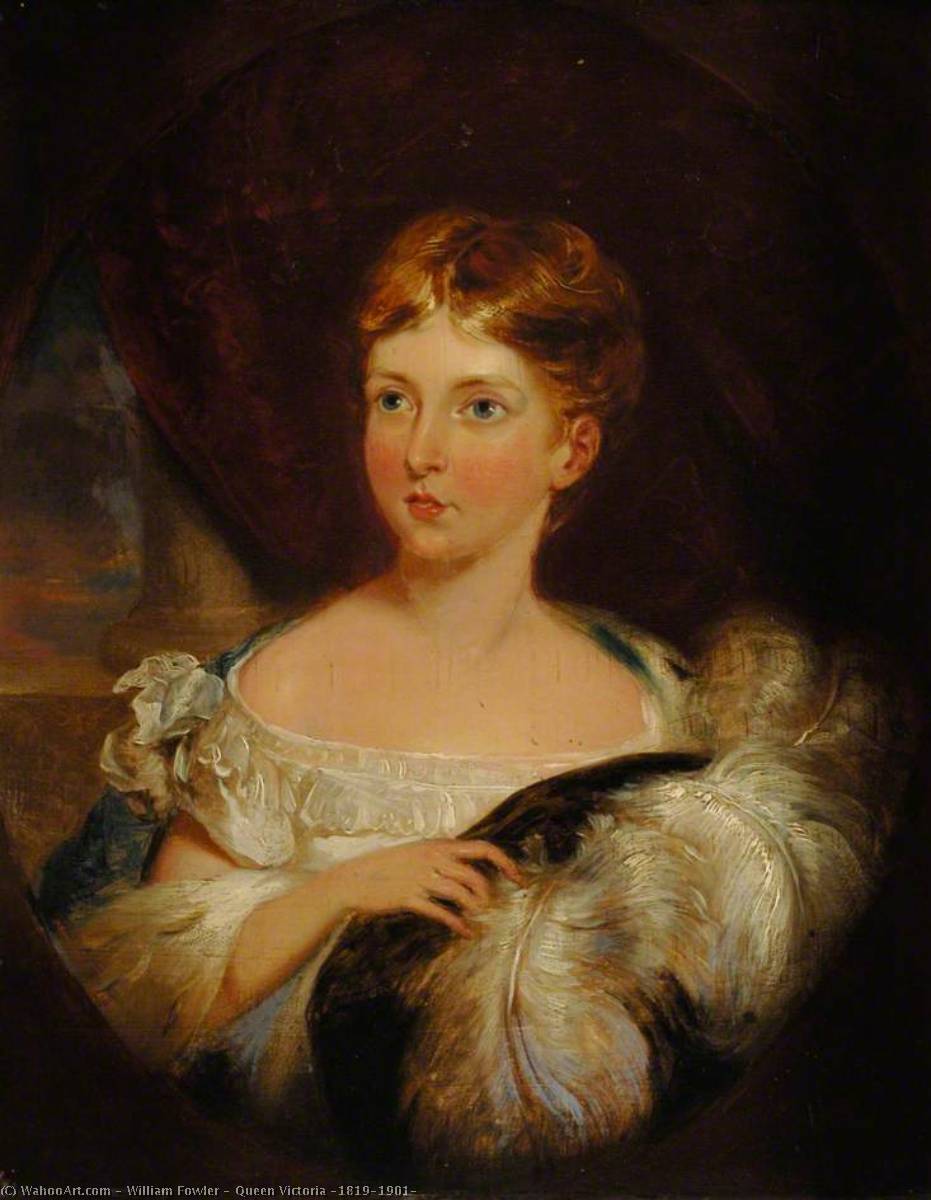
Queen Victoria (1819–1901)
 Acrylic On Canvas
- WallArt
- Academic Realism
 1827
1827 38.0 x 30.0 cm
 Bodleian Libraries
 Read More
Purchase a high-resolution, enhanced digital image, far superior to the online preview.
Each file is meticulously prepared by our in-house specialists using advanced tools and expert manual retouching. We ensure every image has exceptional clarity, precise color accuracy, and fine detail.
The final file is delivered via email within 72 hours, optimized for immediate use in professional, editorial, and print environments. This is the same quality trusted by top-tier design studios, publishers, and galleries.
Digital Image
Download a high-resolution file for personal display, printing, and creative projects. ( Buy Print Buy Hand Made Painting)
Included in Every Digital Image Order
Expert Digital Delivery, Guaranteed
When you choose ArtsDot.com, you're not just getting an image - you're receiving a professionally enhanced digital artwork, crafted with precision and backed by a satisfaction guarantee. Here's everything that comes with your order, automatically:

Fast Email Delivery
Your high-resolution digital image file will be emailed to you within 72 hours of ordering - ready for immediate use.

AI-Enhanced Digital File
Your artwork is professionally optimized using advanced AI tools and manual editing, ensuring maximum detail, clarity, and color accuracy.

Free Lifetime Re-Delivery
Accidentally deleted or lost your file? No worries - we'll resend it to you anytime, free of charge.

No Import Fees - Ever
Enjoy your artwork instantly with zero customs, duties, or delivery fees - digital downloads are always tax-free.

Color Accuracy Guarantee
We ensure your digital image reflects the original colors as closely as possible using professional tools and color management.

60-Day Satisfaction Guarantee
If you're not satisfied with your digital image, we'll revise it or refund 100% within 60 days - no questions asked.

100% Money-Back Guarantee
Not satisfied? Get a full refund within 60 days of receiving your digital file - no questions asked.

Bulk Order Discounts
Buy 3 images, save 10% - Buy 5, save 15% - Buy 10+, save 20%. Great for creative projects, galleries, and agencies.
Collectible Description
A Portrait Steeped in Memory: Louise Bourgeois’s ‘Queen Victoria’
Louise Bourgeois, a name synonymous with unsettling beauty and profound emotional depth, was an artist whose entire life seemed to bleed into her work. Born in Paris on December 25th, 1911, into a family deeply entrenched in the world of textiles – her parents ran a tapestry restoration workshop – Bourgeois’s early years were marked by both privilege and profound loss. Her father, a struggling artist himself, abandoned the family when she was just two years old, an event that cast a long shadow over her psyche and would become a recurring motif in her art. This early trauma, coupled with the subsequent death of her mother, shaped her artistic vision, leading her to explore themes of familial relationships, sexuality, and the enduring power of memory – often through the creation of monumental sculptures and hauntingly intimate installations. Bourgeois’s artistic journey began formally at the Sorbonne in Paris, where she initially pursued studies in mathematics and philosophy before gravitating towards sculpture, a medium that would ultimately become her defining characteristic. However, it wasn't merely intellectual curiosity that fueled her creative impulse; rather, it was an inescapable preoccupation with personal experience—specifically, the indelible imprint of familial sorrow—that drove her artistic explorations. This sensitivity to emotional resonance is palpable in her oeuvre, where she consistently confronts difficult subjects with unflinching honesty and a masterful command of form.The Painting's Subject Matter: Victorian Dignity
Heinrich von Angeli’s ‘Queen Victoria,’ completed in 1890, depicts the reigning monarch in a portrait that embodies the ideals of Victorian society. The subject is presented with regal composure—Victoria sits upright, her gaze directed towards the viewer—a posture indicative of the era's emphasis on propriety and restraint. Her attire—a richly embroidered gown adorned with floral motifs—reflects the opulent tastes of the period and underscores Victoria’s position as Empress of India and protector of the British Empire. The meticulous attention to detail in Angeli’s depiction captures not only Victoria’s physical appearance but also her symbolic representation of imperial authority and moral virtue.Stylistic Influences: Academic Realism
Angeli's approach aligns closely with academic realism, a dominant artistic style prevalent during Victorian Britain. This style prioritizes accurate observation and meticulous rendering of the human form, striving for idealized beauty and conveying psychological depth through subtle expressions. Unlike Impressionist painters who sought to capture fleeting moments of light and color, Angeli meticulously constructed his composition—characterized by balanced lines and harmonious colors—to achieve a sense of stability and grandeur. The painting’s formal structure reinforces its message of dignity and unwavering resolve.Technique: Oil Paint on Canvas
The artwork utilizes oil paint on canvas, a technique favored for its ability to produce rich textures and luminous hues. Angeli skillfully blended pigments to create gradations of color that subtly illuminate Victoria's face and gown, enhancing the painting’s visual impact. Furthermore, he employed glazing techniques—applying thin layers of translucent pigment over underlying colors—to achieve depth and luminosity, capturing the nuances of light and shadow with remarkable precision. This meticulous craftsmanship speaks volumes about Angeli’s dedication to artistic excellence and his commitment to conveying a profound sense of emotion through visual representation.Symbolism: Victorian Values Embodied
Beyond its aesthetic qualities, ‘Queen Victoria’ carries significant symbolic weight. The floral motifs adorning Victoria's gown symbolize femininity, purity, and the flourishing empire under her rule—values deeply ingrained in Victorian moral philosophy. Her unwavering gaze conveys strength and determination, reflecting Victoria’s steadfast leadership during a period of considerable social and political upheaval. Ultimately, Angeli’s portrait serves as a testament to the enduring legacy of Victorian ideals—a celebration of dignity, virtue, and imperial grandeur.Related Artworks

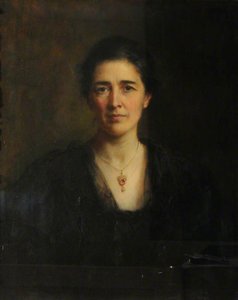
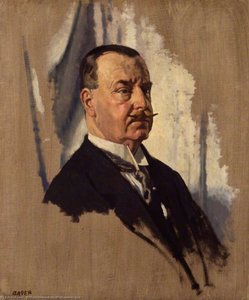
Artist Biography
Louise Bourgeois: A Life Sculpted by Memory and Trauma
Louise Bourgeois, a name synonymous with unsettling beauty and profound emotional depth, was an artist whose entire life seemed to bleed into her work. Born in Paris on December 25th, 1911, into a family deeply entrenched in the world of textiles – her parents ran a tapestry restoration workshop – Bourgeois’s early years were marked by both privilege and profound loss. Her father, a struggling artist himself, abandoned the family when she was just two years old, an event that cast a long shadow over her psyche and would become a recurring motif in her art. This early trauma, coupled with the subsequent death of her mother, shaped her artistic vision, leading her to explore themes of familial relationships, sexuality, and the enduring power of memory – often through the creation of monumental sculptures and hauntingly intimate installations. Bourgeois’s artistic journey began formally at the Sorbonne in Paris, where she initially studied mathematics and geometry, seeking a sense of order and stability amidst the chaos of her personal life. However, it was her mother's death that truly ignited her passion for art, leading her to abandon her academic pursuits and immerse herself in the world of painting and sculpture. She attended classes at the Art Students League in New York and later studied with Fernand Léger, absorbing elements of Cubism and abstraction while simultaneously forging a distinctly personal style. Her early work, often characterized by delicate pastel drawings and watercolors, hinted at the emotional complexities that would come to dominate her oeuvre. It was during this period that she began to grapple with the fragmented memories of her childhood, meticulously recreating scenes from her past in increasingly large-scale works. A pivotal moment in Bourgeois’s career arrived in 1947 when she created *Cell*, a monumental bronze sculpture depicting a spider – an image laden with symbolic weight, representing both intimacy and threat, motherly care and predatory instinct. This work marked a shift towards the grand scale that would become her signature, as well as a willingness to confront difficult subjects head-on. Throughout the 1950s and 60s, Bourgeois explored themes of domesticity, often referencing the confines of her childhood home and the complex dynamics within her family. Her “Peau de Chameau” series (literally "camel's skin"), featuring padded, upholstered forms, evoked a sense of vulnerability and protection, while simultaneously hinting at the discomfort and repression that characterized her early life. The 1970s witnessed a significant evolution in Bourgeois’s artistic practice. She began to incorporate elements of performance art into her installations, creating immersive environments that invited viewers to confront their own anxieties and desires. Works like *Accumulations* (1974-77), a sprawling installation comprised of thousands of hair shirts, porcelain buttons, and other personal objects, offered a raw and unflinching portrayal of the artist’s subconscious – a repository of repressed memories and unresolved traumas. These pieces were not merely aesthetic creations; they were deeply autobiographical explorations of her past, meticulously assembled to evoke specific emotional responses. Bourgeois's later work continued to push boundaries, exploring themes of sexuality, death, and the fragility of human existence. Her “Maw” series, featuring colossal, fleshy sculptures resembling giant mouths, became a particularly potent symbol of vulnerability and maternal longing. Despite facing significant challenges throughout her life – including periods of mental illness and financial hardship – Bourgeois remained an incredibly prolific artist, producing thousands of works over seven decades. She received numerous accolades during her lifetime, including the Golden Lion at the Venice Biennale in 1997 and the National Medal of Arts in 2008. Louise Bourgeois died on May 31st, 2010, leaving behind a legacy that continues to resonate with audiences worldwide – a testament to the power of art to confront difficult truths and illuminate the complexities of the human experience.The Influence of Family and Trauma
Bourgeois’s artistic development was inextricably linked to her family history and the profound emotional wounds she carried throughout her life. The abandonment by her father at such a young age created a deep-seated sense of insecurity and abandonment, which manifested in recurring themes of loss, loneliness, and the search for connection within her work. Her mother's death further exacerbated these feelings, solidifying the importance of familial bonds and the enduring power of memory. The tapestry workshop, inherited by her parents, provided a constant reminder of her family’s artistic heritage, but also served as a backdrop to her own struggles with identity and belonging. Furthermore, Bourgeois’s childhood home – a small, cluttered apartment in Paris – became a central subject in her art. She meticulously recreated the rooms and furnishings of this space in monumental scale, transforming them into symbolic representations of her past. These reconstructions were not simply nostalgic exercises; they were attempts to grapple with unresolved traumas and to reclaim control over her own narrative. The recurring motif of the spider, often depicted as a menacing figure, is believed to be linked to her childhood fear of spiders – an image that simultaneously represents intimacy, protection, and predatory instinct. Similarly, the “peau de chamois” (camel’s skin) series, featuring padded, upholstered forms, evokes a sense of vulnerability and confinement, reflecting the artist's own feelings of being trapped within the constraints of her past. Bourgeois’s willingness to confront these difficult subjects head-on – often through the creation of unsettling and emotionally charged works – distinguishes her from many of her contemporaries. She eschewed traditional notions of beauty and harmony, instead embracing a raw and unflinching honesty that resonated deeply with viewers. Her art served as a powerful form of self-therapy, allowing her to process her past traumas and to ultimately find a sense of closure.Major Works and Artistic Techniques
Louise Bourgeois’s artistic output spanned several decades and encompassed a diverse range of media, including sculpture, painting, printmaking, and installation art. Her monumental bronze sculptures, such as *Cell* (1947) and *Maw* (1999), are arguably her most iconic works – imposing figures that command attention and evoke powerful emotional responses. These sculptures often feature distorted forms and unsettling imagery, reflecting the artist’s preoccupation with trauma and vulnerability. Bourgeois's "Peau de Chameau" series (1944-1972) is another significant contribution to her oeuvre. These padded, upholstered forms, typically constructed from velvet or other luxurious materials, create a tactile and immersive experience for the viewer – inviting them to touch and engage with the artwork on a visceral level. The series explores themes of protection, confinement, and the complexities of human relationships. Her installation works, such as *Accumulations* (1974-77), are characterized by their sprawling scale and meticulous detail. These installations consist of thousands of personal objects – hair shirts, porcelain buttons, needles, and other seemingly random items – carefully arranged to create a dense and overwhelming environment. The sheer volume of material in these works reflects the artist’s own overflowing subconscious – a repository of repressed memories and unresolved traumas. Bourgeois's artistic techniques evolved throughout her career, but she consistently employed a combination of meticulous craftsmanship and expressive gesture. Her sculptures are often cast in bronze using traditional methods, but she frequently incorporates unconventional materials and techniques to achieve desired effects. Her paintings, characterized by their muted colors and fragmented imagery, reflect the influence of Surrealism and Abstract Expressionism.Historical Significance and Legacy
Louise Bourgeois’s work holds a significant place within the history of 20th-century art. While she initially struggled to gain recognition during her lifetime, her reputation has steadily grown in recent decades, solidifying her status as one of the most important artists of the late 20th century. Her willingness to confront difficult subjects – including trauma, sexuality, and death – challenged conventional notions of beauty and artistic expression, paving the way for future generations of artists to explore similar themes with greater openness and honesty. Bourgeois’s influence extends beyond her own work; she has inspired countless artists working in a wide range of media. Her exploration of personal memory and psychological landscapes has resonated particularly strongly with feminist artists, who have embraced her willingness to address issues of gender, identity, and the female experience. Her monumental scale and immersive installations have also influenced contemporary installation artists, while her use of unconventional materials and techniques continues to inspire experimentation and innovation. Louise Bourgeois’s legacy is one of profound emotional depth, artistic courage, and unwavering commitment to self-expression. Her work serves as a powerful reminder of the enduring impact of trauma on the human psyche and the transformative potential of art as a means of healing and understanding. She remains an artist whose work continues to provoke, challenge, and move audiences around the world.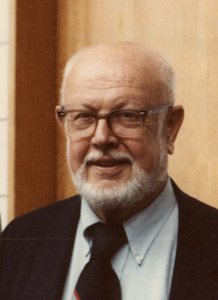
william fowler
1911 - 1995
Quick Facts
- Artistic Movement Or Style: Sculpture, installation art
- Artists Who Influenced This Artist: ['Fernand Léger],\n "Artists or movements influenced by this artist": ["Surrealism", "Feminist art"]\n}']
- Date Of Birth: December 25, 1911
- Date Of Death: May 31, 2010
- Full Name: Louise Bourgeois
- Nationality: French-American
- Notable Artworks:
- Cells
- Cumul I
- The Destruction of the Father
- Place Of Birth: Paris, France

