 Preview
 Send
Send Share
Share
 Details

 Download
 Similars
 X-Ray
X-Ray Diaporama
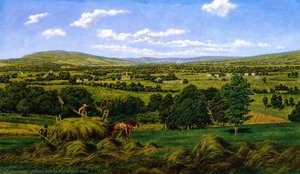
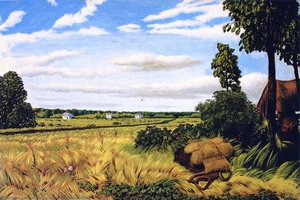
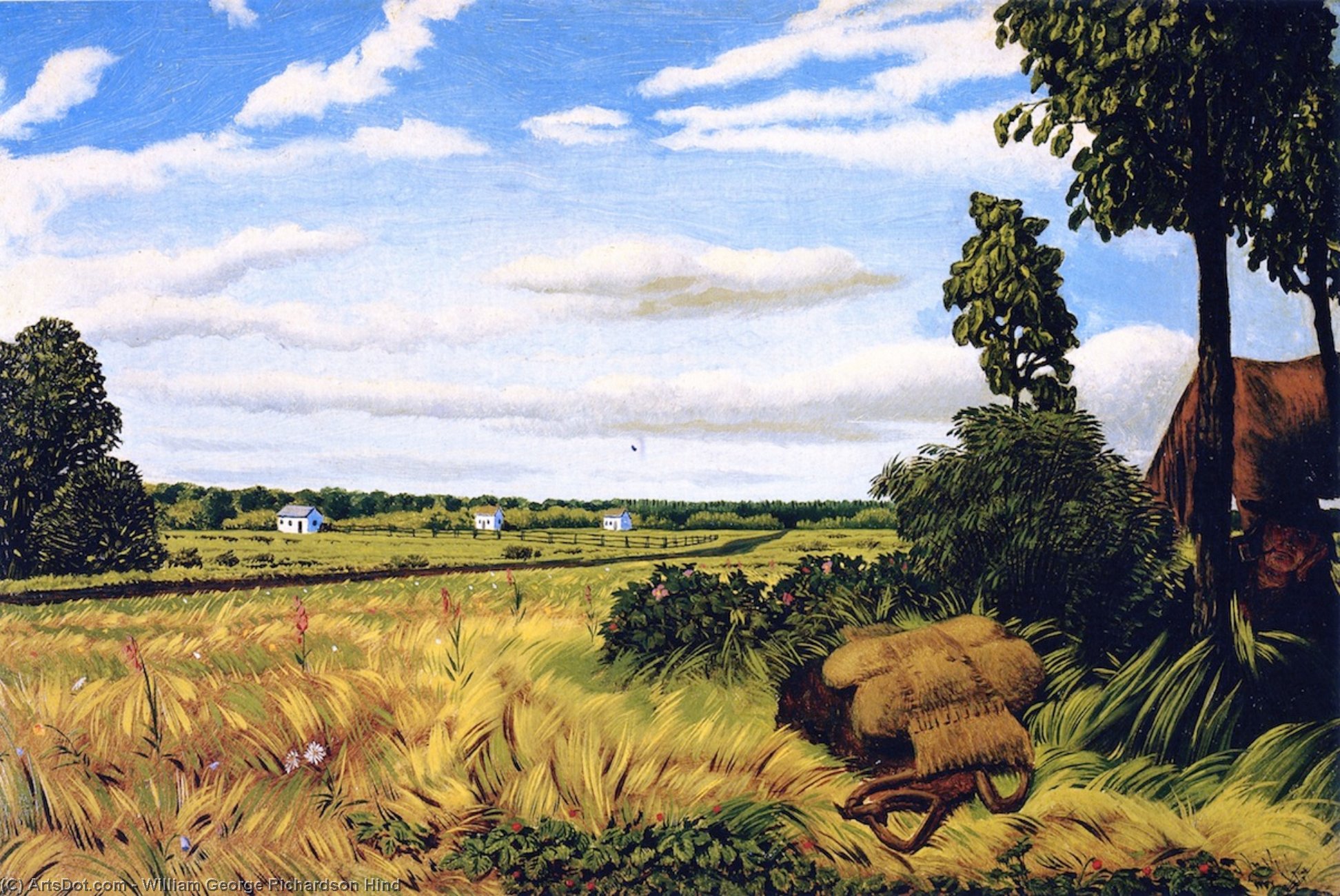
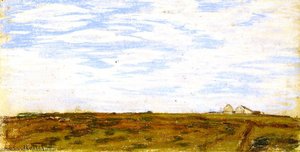
Roadside Scene with Three Houses and Figure, Manitoba

 Read More
Hand Made Oil Reproduction
Hand-painted oil on canvas in your size and frame, made to order by our artists. ( Buy Print Buy Image)




































Pick from our preset sizes that match the artwork's original proportions.

You may enter your own dimensions to fit a specific frame or space. If your selected size does not match the original image's proportions, we will either crop the artwork or extend the painting with additional hand-painted elements. A digital mockup will be sent for your approval before production begins.
Please note that the on-screen preview does not reflect the actual cropping or extension. Only the mockup will accurately show the final composition.
While custom sizes are available, we recommend selecting a dimension from the predefined list to preserve the original proportions.
After order, ArtsDot.com team will email client for instructions and provide a mockup preview
Worldwide Delivery () in 3/4 weeks instead of standard 5 weeks. (26 August). No compromise on quality.

Free Worldwide Express Shipping

High-Quality Linen Canvas

Full Shipping Insurance

Customs Tax Refund Guarantee

True Color Matching Guarantee

60-Day Return Policy (Defects Only)

100% Money-Back Guarantee

Bulk Discount Offer
 Glass option is only available in size under 110 CM

Roadside Scene with Three Houses and Figure, Manitoba
Reproduction Medium
Reproduction Size
-


Total Price
$ 263
Artwork Description
Artistic Style and Technique
William George Richardson Hind's artistic style is characterized by his use of warm colors and delicate brushstrokes, which are evident in the Roadside Scene with Three Houses and Figure, Manitoba. The painting features a beautiful landscape with rolling hills, trees, and a few houses in the background. The artist's technique is reminiscent of the Impressionist movement, which emphasizes capturing the fleeting effects of light and color.Historical Significance
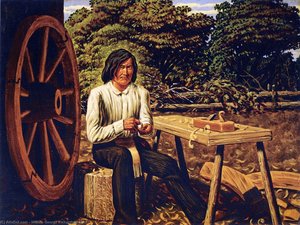
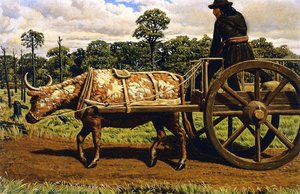
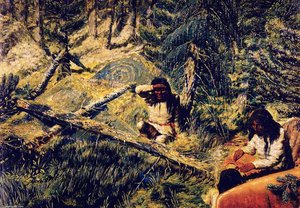
The Roadside Scene with Three Houses and Figure, Manitoba is not only a beautiful piece of art but also holds historical significance. The painting provides a glimpse into the daily life of people living in rural Manitoba during the late 19th century. The artwork is a valuable addition to the Toronto Public Library (Canada)'s collection, which includes other notable works by William George Richardson Hind, such as Metis Making Wheel for Red River Cart, Manitoba.- Oil on panel technique used in the painting
- Rural landscape depicting three houses and a figure
- Impressionist movement influence on the artist's style
- Toronto Public Library (Canada) housing the painting
The Roadside Scene with Three Houses and Figure, Manitoba is a captivating oil painting that showcases William George Richardson Hind's artistic skill and attention to detail. The artwork is a valuable addition to the Toronto Public Library (Canada)'s collection and provides a glimpse into the daily life of people living in rural Manitoba during the late 19th century.
Related Artworks



Artist Biography
A Visionary of the Canadian Wild: The Life and Legacy of William George Richardson Hind
William George Richardson Hind stands as a pivotal figure in the artistic chronicle of Canada, particularly recognized for his masterful watercolour depictions of Western landscapes and Indigenous communities during the Gold Rush era. Born in Nottingham, England, in 1833, Hind’s journey toward artistic prominence unfolded amidst the burgeoning Victorian fascination with exploration and scientific observation—influences that profoundly shaped his distinctive style and subject matter. The son of a lace manufacturer, Hind emigrated to Canada in 1851, following his elder brother, Henry Youle Hind, an influential intellectual and explorer. This familial connection would prove instrumental, as it placed William at the very heart of the era's great geographical discoveries. Upon arriving in Toronto at the age of eighteen, Hind’s early career was marked by a blend of pedagogy and practice. He served as the Drawing Master at the Toronto Normal School from 1851 to 1857, a role that likely refined his ability to communicate visual information with clarity. During these formative years, he established his own studio and began exhibiting works at the Upper Canada Provincial Exhibition, showcasing a narrative genre style that resonated with the popular tastes of the time. His early subjects often leaned toward the domestic and the anecdotal, yet there was always an underlying precision in his hand—a trait likely nurtured by his rigorous academic background.The Intersection of Science and Artistry
Hind's formative years were marked by a deep connection to the natural sciences, a discipline that instilled within him an unwavering commitment to accuracy and detail. This scientific eye became a hallmark of his artistic practice, especially when he transitioned from studio painting to field illustration. In the late 1850s, a return to England may have exposed him to the meticulousness of the Pre-Raphaelite Brotherhood, an influence that likely deepened his appreciation for vibrant color and botanical precision. When he returned to Canada in 1861, he did not merely return as a painter, but as a visual chronicler of the continent's expanding frontiers. Joining his brother’s expedition to the Moisie River, a tributary of the St. Lawrence, Hind embarked on a journey that would define his historical significance. He produced more than one hundred sketches during this arduous trek through the Labrador Peninsula, capturing the rugged terrain and the lives of the Naskapi and Montagnais peoples. These were not merely artistic exercises; many of his sketches were utilized as woodcut illustrations in Henry’s published reports, such as Explorations in the interior of the Labrador peninsula. Through this work, Hind bridged the gap between scientific documentation and fine art, providing a window into a world that was rapidly changing due to colonial expansion.Capturing the Spirit of the West
As his career progressed, Hind’s focus shifted toward the vast, untamed landscapes of the Canadian West and the burgeoning activity of the Gold Rush era. He became a prolific illustrator for publications documenting the region’s geography, flora, fauna, and settlement efforts. His meticulous renderings captured the grandeur of the prairies—rolling grasslands stretching towards distant horizons—and conveyed an unparalleled sense of atmosphere. Whether depicting the industriousness of a Metis craftsman making a wheel for a Red River cart or the intense labor of prospecting for alluvial gold in British Columbia, Hind possessed a rare ability to imbue his subjects with dignity and life. His artistic technique was characterized by a deliberate blending of realism and Impressionistic tendencies. He favored layering thin washes of color to create depth and luminosity, allowing the light of the Canadian wilderness to permeate his watercolours. This method allowed him to capture the fleeting qualities of weather and light, from the heavy atmosphere of a Manitoba roadside scene to the stark, majestic beauty of the northern expeditions.Historical Significance and Enduring Legacy
The importance of William George Richardson Hind lies not only in the aesthetic beauty of his work but in its role as a historical record. His paintings serve as vital documents of a transformative period in North American history, preserving the likenesses of Indigenous cultures and the landscapes of the West before they were irrevocably altered by industrialization and large-scale settlement. He approached his subjects with a level of respect and nuance that was commendable for his era, seeking to portray the complexities of human interaction with the land. Though his life was cut short in 1889 in Sussex, New Brunswick, Hind's contribution to Canadian art remains profound. His ability to marry the precision of a scientist with the soul of a romantic painter ensured that his work would transcend simple illustration. Today, his watercolours are cherished not just as beautiful objects of art, but as essential windows into the heart of a developing nation, capturing the very essence of the Canadian frontier.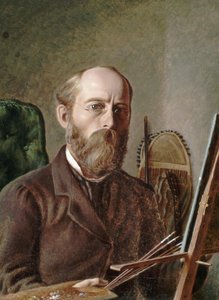
William George Richardson Hind
1833 - 1889 , United Kingdom
Quick Facts
- Artistic Movement Or Style: Romanticism
- Artists Who Influenced This Artist:
- George Frederic Handel
- John Ruskin
- Date Of Birth: 1833
- Full Name: William George Richardson Hind
- Nationality: British
- Notable Artworks:
- Donald Smith (Lord Strathcona) at North West River
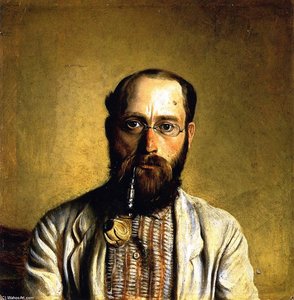
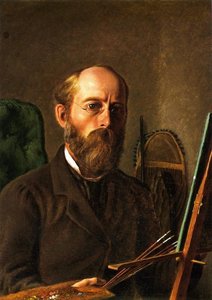
- Self Portrait
- Camping on the Prairie
- Place Of Birth: Nottingham, United Kingdom