

 Preview
 Send
Send Share
Share
 Details

 Download
 Similars
 X-Ray
X-Ray Diaporama
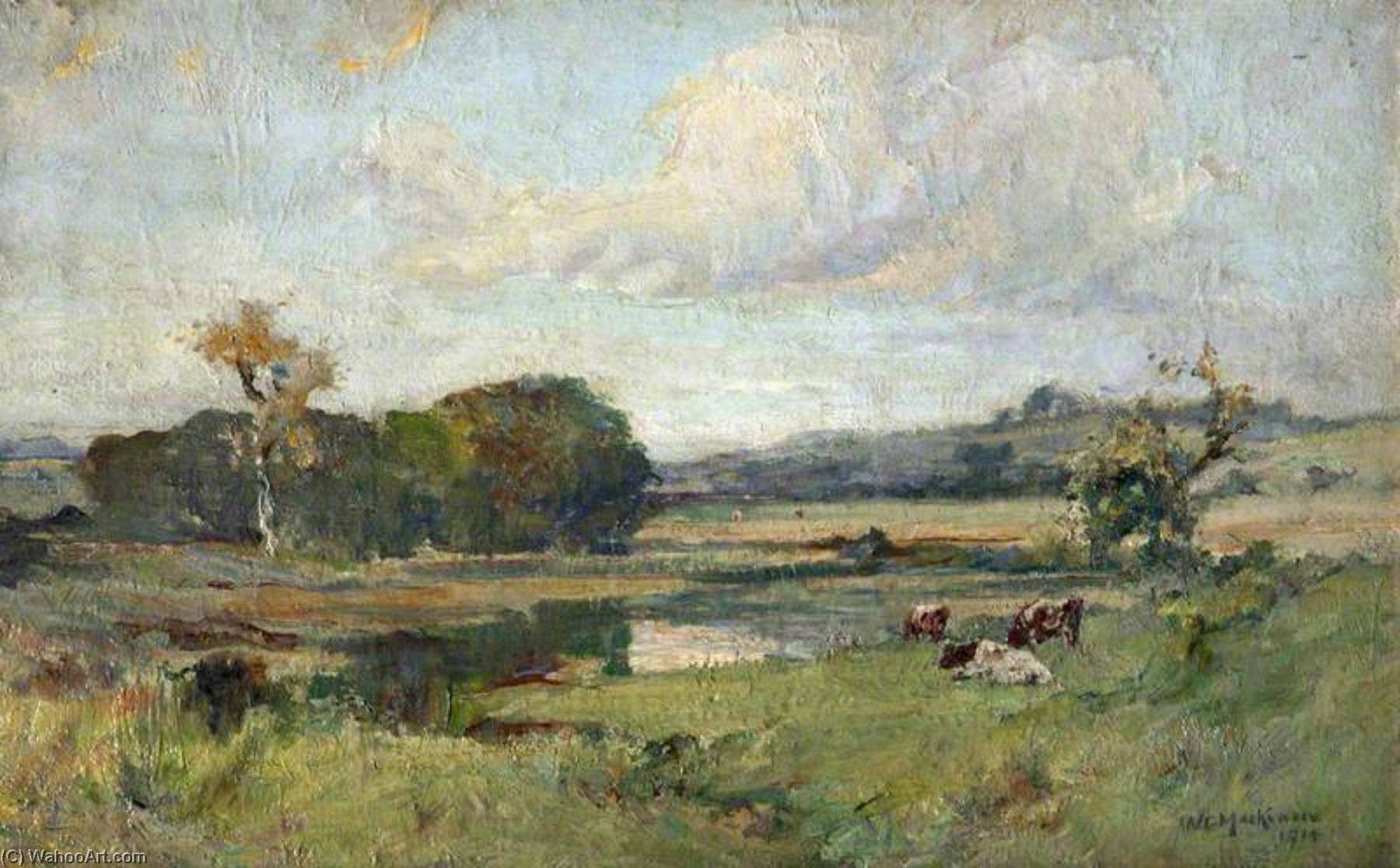
Backwater, River Lagan near Edenderry, Belfast
 1914
1914 26.0 x 41.0 cm
 Read More
Purchase a high-resolution, enhanced digital image, far superior to the online preview.
Each file is meticulously prepared by our in-house specialists using advanced tools and expert manual retouching. We ensure every image has exceptional clarity, precise color accuracy, and fine detail.
The final file is delivered via email within 72 hours, optimized for immediate use in professional, editorial, and print environments. This is the same quality trusted by top-tier design studios, publishers, and galleries.
Digital Image
Download a high-resolution file for personal display, printing, and creative projects. ( Buy Print Buy Hand Made Painting)
Included in Every Digital Image Order
Expert Digital Delivery, Guaranteed
When you choose ArtsDot.com, you're not just getting an image - you're receiving a professionally enhanced digital artwork, crafted with precision and backed by a satisfaction guarantee. Here's everything that comes with your order, automatically:

Fast Email Delivery
Your high-resolution digital image file will be emailed to you within 72 hours of ordering - ready for immediate use.

AI-Enhanced Digital File
Your artwork is professionally optimized using advanced AI tools and manual editing, ensuring maximum detail, clarity, and color accuracy.

Free Lifetime Re-Delivery
Accidentally deleted or lost your file? No worries - we'll resend it to you anytime, free of charge.

No Import Fees - Ever
Enjoy your artwork instantly with zero customs, duties, or delivery fees - digital downloads are always tax-free.

Color Accuracy Guarantee
We ensure your digital image reflects the original colors as closely as possible using professional tools and color management.

60-Day Satisfaction Guarantee
If you're not satisfied with your digital image, we'll revise it or refund 100% within 60 days - no questions asked.

100% Money-Back Guarantee
Not satisfied? Get a full refund within 60 days of receiving your digital file - no questions asked.

Bulk Order Discounts
Buy 3 images, save 10% - Buy 5, save 15% - Buy 10+, save 20%. Great for creative projects, galleries, and agencies.
Related Artworks









Artist Biography
William Gibbes Mackenzie: Capturing the Soul of Northern Ireland
William Gibbes Mackenzie, a name perhaps less familiar than some of his Victorian contemporaries, nevertheless stands as a significant figure in 19th-century British landscape painting. Born in North Ireland in 1857, Mackenzie dedicated his artistic life to meticulously rendering the rugged beauty and atmospheric drama of his homeland – primarily the landscapes of Northern Ireland, but also venturing into Scotland and occasionally further afield. His work isn’t characterized by grand romantic gestures or sweeping vistas; instead, he offered a deeply observed and subtly emotive portrayal of the region's character, earning him recognition within artistic circles and establishing a lasting legacy in Irish art history.
Mackenzie’s early life remains somewhat shrouded in detail. He received his initial training at the Dublin Metropolitan School of Art, an institution that fostered a strong tradition of landscape painting. However, it was his time spent studying under the renowned Scottish artist John Ramsay in Glasgow that truly shaped his artistic vision. Ramsay's emphasis on tonal harmony, atmospheric perspective, and capturing the essence of light profoundly influenced Mackenzie’s approach to color and composition. This mentorship instilled in him a deep appreciation for the subtleties of natural light and its transformative effect on the landscape – a core element throughout his career.
The Palette of Northern Ireland
Mackenzie's paintings are immediately recognizable by their distinctive palette, dominated by muted greens, browns, greys, and blues. He eschewed bright, saturated colors in favor of a more restrained and nuanced approach, skillfully layering tones to create a sense of depth and atmosphere. His technique involved meticulous observation and careful brushwork, often employing a dry brushstroke to build up texture and suggest the rough surfaces of stone, heather, and water. He wasn’t interested in simply depicting a scene; he sought to convey its mood – the dampness of a misty morning, the brooding intensity of a storm-swept coastline, or the quiet solitude of a moorland landscape.
His subjects were predominantly the dramatic coastal scenery of Northern Ireland, particularly the areas around Donegal Bay and County Antrim. He frequently depicted rugged cliffs, windswept beaches, and the ever-changing light reflecting off the sea. Rivers and streams played a prominent role in many of his compositions, often serving as pathways through the landscape and providing a sense of movement and flow. He also painted scenes of rural life – farmers tending their flocks, cottages nestled amongst the hillsides – capturing the everyday rhythms of the region’s inhabitants.
Influences and Artistic Development
Mackenzie's artistic development was undoubtedly influenced by several key figures. Beyond Ramsay, he admired the tonal landscapes of J.M. Whistler, whose emphasis on atmospheric effects resonated with Mackenzie’s own approach. The Pre-Raphaelites, particularly their interest in depicting natural beauty and folklore, also left a subtle mark on his work. However, Mackenzie forged his own distinct style, blending these influences into a uniquely personal vision.
Throughout the 1880s and 90s, Mackenzie’s reputation gradually grew within the British art world. He exhibited regularly at the Royal Academy in London and gained recognition for his atmospheric landscapes. His paintings were praised for their technical skill, emotional depth, and evocative portrayal of Northern Ireland's character. He was also a member of several prominent artistic organizations, including the Society of Artists.
Legacy and Historical Significance
William Gibbes Mackenzie died in 1924, leaving behind a substantial body of work that continues to be appreciated for its quiet beauty and understated power. While he may not have achieved widespread fame during his lifetime, his paintings offer a valuable glimpse into the landscape and culture of Northern Ireland at the turn of the century. His meticulous observation, skillful technique, and sensitive portrayal of light and atmosphere have secured his place as one of the most important Irish landscape painters of the Victorian era.
Today, Mackenzie’s works are held in public collections across Ireland and Britain, testament to their enduring appeal. His paintings serve as a poignant reminder of the beauty and resilience of the Northern Irish landscape – a landscape that continues to inspire artists and captivate viewers alike.
william gibbes mackenzie
1857 - 1924
Quick Facts
- Artistic Movement Or Style: Victorian Landscape Art
- Date Of Birth: 1857
- Date Of Death: 1924
- Full Name: William Gibbes Mackenzie
- Nationality: Irish
- Notable Artworks:
- River Scenes Painting
- Coastal Landscapes
- Place Of Birth: North Ireland

