 Preview
 Send
Send Share
Share
 Details

 Download
 Similars
 X-Ray
X-Ray Diaporama
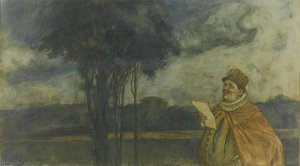
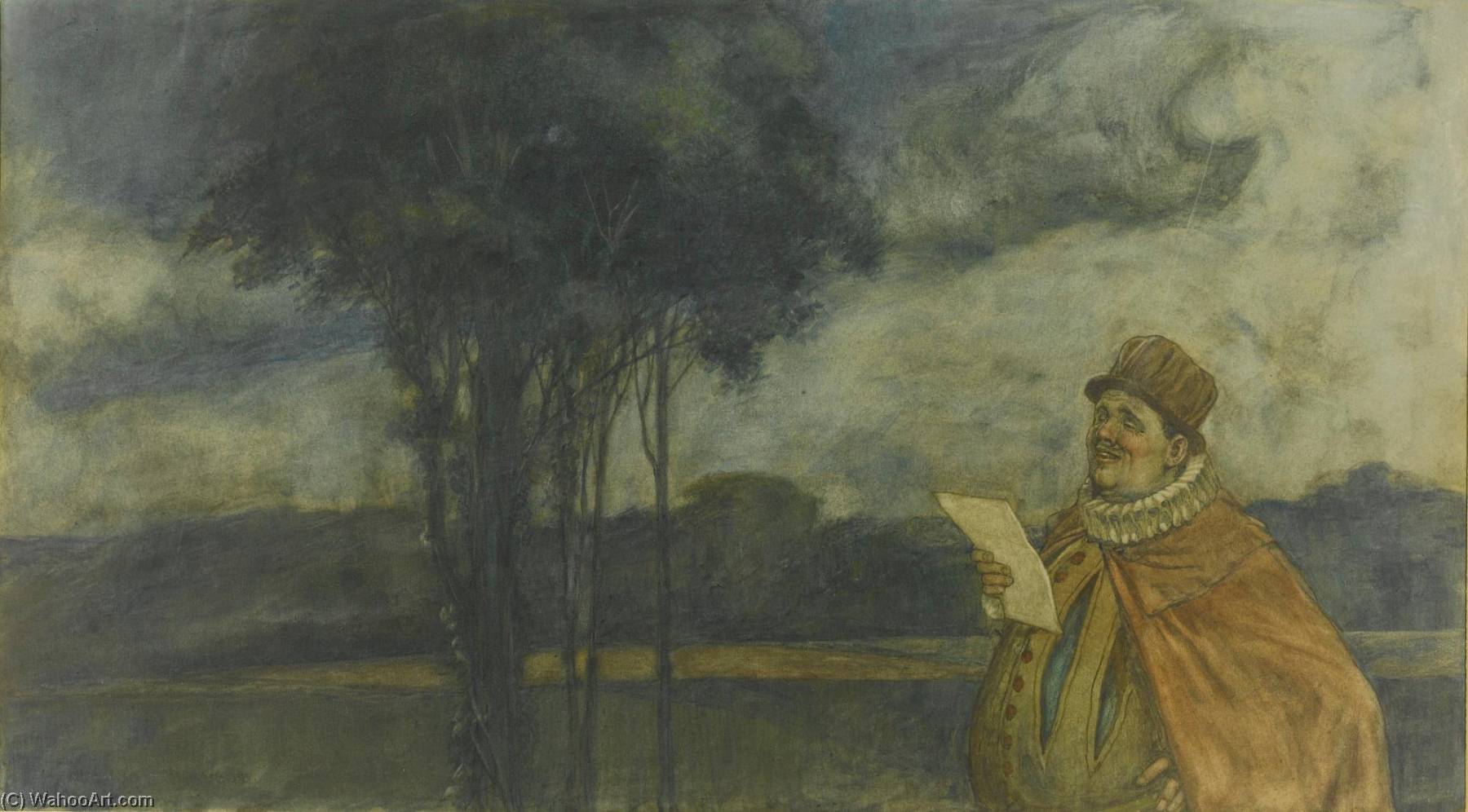
Now I will not deliver his letter
 Read More
Giclée / Art Print
Museum-quality giclée or canvas print with fast production and flexible finish options. ( Buy Hand Made Painting Buy Image)




































Pick from our preset sizes that match the artwork's original proportions.

You may enter your own dimensions to fit a specific frame or space. If your selected size does not match the original image's proportions, we will either crop the artwork or extend the image with a mirrored or solid-fill edge. A digital mockup will be sent for your approval before production begins.
Please note that the on-screen preview does not reflect the actual cropping or extension. Only the mockup will accurately show the final composition.
While custom sizes are available, we recommend selecting a dimension from the predefined list to preserve the original proportions.
Worldwide Delivery () in 2 weeks instead of standard 4/5 weeks. (21 August)

Free Worldwide Express Shipping

High-Quality Linen Canvas

Full Shipping Insurance

Customs Tax Refund Guarantee

True Color Matching Guarantee

60-Day Return Policy (Defects Only)

100% Money-Back Guarantee

Bulk Discount Offer
 Glass option is only available in size under 110 CM

Now I will not deliver his letter
Giclée / Art Print
Reproduction Size
-


Total Price
$ 63
Related Artworks







Artist Biography
William Heath Robinson: The Marvelous Machine of Imagination
William Heath Robinson (31 May 1872 – 13 September 1944) was an English cartoonist, illustrator and artist who drew whimsically elaborate machines to achieve simple objectives. His enduring legacy rests not merely on his prolific output but on a singular vision—a world populated by improbable inventions and imbued with a delightfully absurd charm that continues to captivate audiences today. Born in Hornsey Rise, London, into a family of artists – his grandfather Thomas Robinson was a sculptor, his father Thomas Heath Robinson a painter – William’s formative years were steeped in artistic tradition, shaping his lifelong fascination with visual storytelling and meticulous detail.Early Life and Artistic Training
Robinson's formal education began at Islington School of Art where he honed his drawing skills before briefly attending the Royal Academy schools. This grounding in classical technique proved invaluable as he embarked on a career that would champion originality and playful disruption. Notably, his uncle Charles Robinson was an illustrator for *The Illustrated London News*, exposing him to influential artistic currents and fostering a collaborative spirit that would characterize much of his subsequent work. The influence of Jules Verne’s fantastical tales—particularly *Twenty Thousand Leagues Under the Sea*—is palpable in Robinson's early illustrations, demonstrating a profound appreciation for imaginative speculation and inventive design.A Career Defined by Improbable Machines
Robinson swiftly established himself as a celebrated illustrator, tackling commissions ranging from fairy tales to Shakespearean adaptations. His distinctive style quickly gained recognition for its meticulous rendering of complex mechanisms—often powered by steam boilers or kettles—designed to accomplish trivial tasks with breathtaking ingenuity. This fascination with “Heath Robinson contraptions”—as they became affectionately known—became the hallmark of his artistic identity and cemented his place as one of Britain’s most beloved cartoonists. His illustrations for *Hans Christian Andersen's Fairy Tales* and *The Arabian Nights,* alongside his work on theatrical productions, showcased his versatility and solidified his reputation as a storyteller who could transform everyday life into extraordinary adventure.The Zenith of Surreal Humor
Robinson’s fame ascended during the First World War when he produced a series of cartoons depicting fantastical weapons intended to demoralize the enemy—a testament to his ability to distill complex ideas into instantly recognizable visual metaphors. However, it was arguably after the war that Robinson achieved his artistic apex. His collaborations with Norman Hunter on *Peter Quip* and *The Egg and Spoon Race,* alongside his iconic depictions of Professor Branestawm, cemented his status as a national treasure—a creator who captured the spirit of Victorian England with unparalleled wit and whimsical precision. The enduring appeal of these characters lies in their embodiment of Robinson’s core artistic philosophy: to find beauty and humor in the commonplace through imaginative reimagining.Legacy and Influence
Robinson's influence extends far beyond his own oeuvre, shaping the aesthetic sensibilities of generations of artists and designers. His penchant for intricate detail and improbable machines continues to inspire creativity across disciplines—from animation to product design—demonstrating the timeless relevance of his vision. The phrase “Heath Robinson” itself has entered the lexicon as shorthand for a delightfully absurd invention—a symbol of ingenuity tempered by an awareness of absurdity. William Heath Robinson died peacefully in London on September 13, 1944, leaving behind a legacy that celebrates imagination, humor, and the transformative power of seeing the extraordinary within the ordinary. His work remains a cherished reminder that true artistry lies not in striving for perfection but in embracing the delightfully improbable—a lesson as pertinent today as it was during his remarkable lifetime.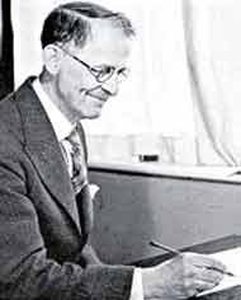
Quick Facts
- Artistic Movement Or Style: Victorian Illustration
- Artists Or Movements Influenced By This Artist: ['Rube Goldberg']
- Artists Who Influenced This Artist:
- Gustave Dore
- Arthur Rackham
- Date Of Birth: May 31, 1872
- Date Of Death: Sept. 13, 1944
- Full Name: William Heath Robinson
- Nationality: British
- Notable Artworks:
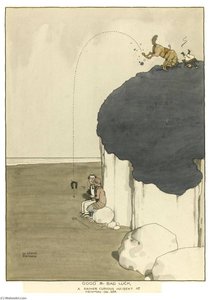
- Good Luck & Bad
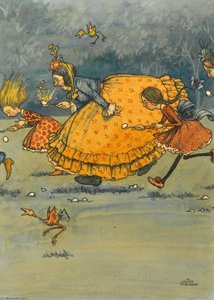
- The Egg and Spoon Race
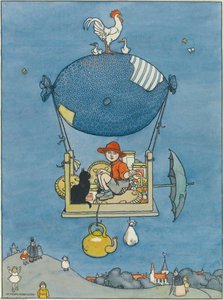
- The Air Ship
- Place Of Birth: London, Eng.