

 Preview
 Send
Send Share
Share
 Details

 Download
 Similars
 X-Ray
X-Ray Diaporama
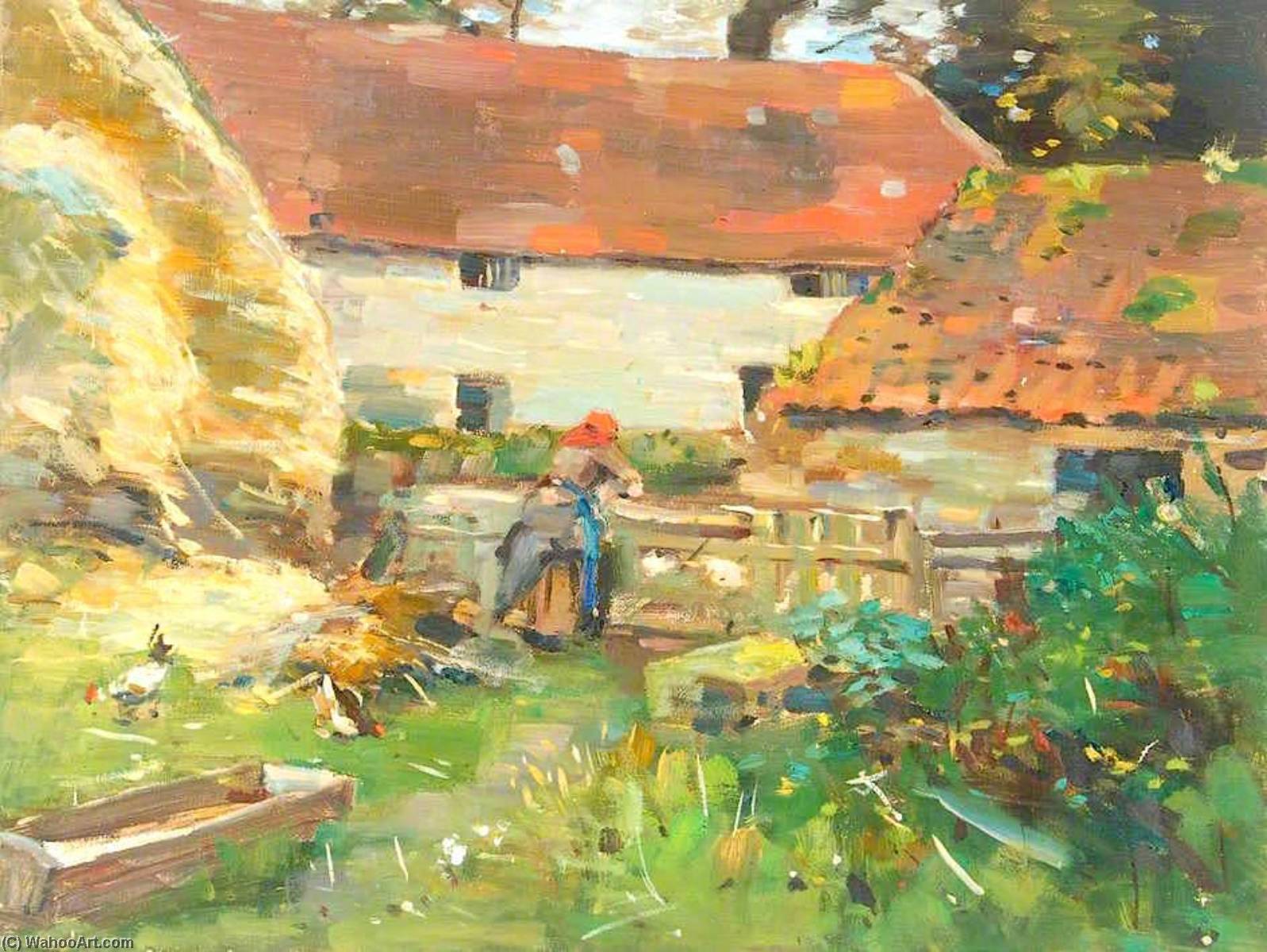
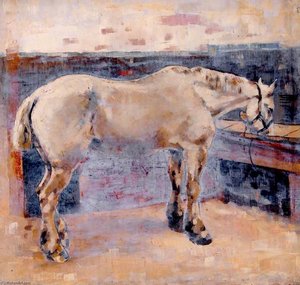
Farmyard Scene
 31.0 x 40.0 cm
 Hatton Gallery (University Of Newcastle
 Read More
Purchase a high-resolution, enhanced digital image, far superior to the online preview.
Each file is meticulously prepared by our in-house specialists using advanced tools and expert manual retouching. We ensure every image has exceptional clarity, precise color accuracy, and fine detail.
The final file is delivered via email within 72 hours, optimized for immediate use in professional, editorial, and print environments. This is the same quality trusted by top-tier design studios, publishers, and galleries.
Digital Image
Download a high-resolution file for personal display, printing, and creative projects. ( Buy Print Buy Hand Made Painting)
Included in Every Digital Image Order
Expert Digital Delivery, Guaranteed
When you choose ArtsDot.com, you're not just getting an image - you're receiving a professionally enhanced digital artwork, crafted with precision and backed by a satisfaction guarantee. Here's everything that comes with your order, automatically:

Fast Email Delivery
Your high-resolution digital image file will be emailed to you within 72 hours of ordering - ready for immediate use.

AI-Enhanced Digital File
Your artwork is professionally optimized using advanced AI tools and manual editing, ensuring maximum detail, clarity, and color accuracy.

Free Lifetime Re-Delivery
Accidentally deleted or lost your file? No worries - we'll resend it to you anytime, free of charge.

No Import Fees - Ever
Enjoy your artwork instantly with zero customs, duties, or delivery fees - digital downloads are always tax-free.

Color Accuracy Guarantee
We ensure your digital image reflects the original colors as closely as possible using professional tools and color management.

60-Day Satisfaction Guarantee
If you're not satisfied with your digital image, we'll revise it or refund 100% within 60 days - no questions asked.

100% Money-Back Guarantee
Not satisfied? Get a full refund within 60 days of receiving your digital file - no questions asked.

Bulk Order Discounts
Buy 3 images, save 10% - Buy 5, save 15% - Buy 10+, save 20%. Great for creative projects, galleries, and agencies.
Related Artworks
Artist Biography
William Henry Charlton: A Victorian Observer of Society
William Henry Charlton (1846-1918) stands as a compelling figure within the landscape of 19th-century British art, a painter whose canvases offer intimate glimpses into the social fabric of his era. Born in London, Charlton’s artistic journey was shaped by a keen observational eye and a subtle yet powerful ability to capture not just likenesses but also the nuances of human interaction and the prevailing atmosphere of Victorian England. While he didn't achieve widespread fame during his lifetime, a closer examination reveals an artist deeply attuned to his time, documenting its social conventions, artistic trends, and evolving aesthetic sensibilities.
Charlton’s early training remains somewhat obscured, though it is believed he initially studied at the Royal Academy. However, it was through independent study and engagement with contemporary art movements that he truly developed his distinctive style. He was particularly influenced by the Pre-Raphaelites, evident in his meticulous attention to detail and a penchant for depicting scenes of historical or literary significance. Yet, unlike the overtly romanticized approach of some Pre-Raphaelite painters, Charlton’s work possesses a more restrained elegance, prioritizing psychological insight over dramatic spectacle.
A Palette of Portraits and Landscapes
Charlton's oeuvre is predominantly comprised of portraits and landscapes, though he also produced several genre scenes. His portraiture stands out for its remarkable ability to convey character—not through idealized beauty but through subtle shifts in expression, posture, and gaze. He wasn’t interested in simply replicating appearances; instead, he sought to capture the essence of his subjects, revealing their inner lives and social standing. Many of his portraits depict members of the upper-middle class – merchants, lawyers, doctors—offering a fascinating window into Victorian society's aspirations and anxieties.
Alongside his portraiture, Charlton was a skilled landscape painter. His depictions of the English countryside are characterized by a quiet realism and an appreciation for atmospheric effects. He frequently chose scenes of rural beauty – rolling hills, picturesque villages, and dramatic skies—but always with a keen awareness of their social context. Works like "Whitby" (1883) exemplify this approach, capturing not just the visual splendor of the coastal town but also the lives of its inhabitants, hinting at the hardships and opportunities that defined Victorian life.
Technique and Influences
Charlton’s technique is marked by a meticulous attention to detail and a mastery of oil painting. He employed a layered approach, building up his compositions gradually through numerous thin glazes, creating a rich and luminous surface. His use of color is restrained yet sophisticated, favoring muted tones and subtle gradations that contribute to the overall sense of atmosphere and mood. He was influenced by the academic tradition of portraiture but also demonstrated an awareness of contemporary artistic trends, including Impressionism—though he never fully embraced its radical departure from traditional methods.
Furthermore, Charlton’s work reflects a broader cultural context. The late 19th century witnessed significant social and economic changes in Britain, including the rise of industrialization, urbanization, and a growing awareness of class divisions. Charlton's art can be seen as a subtle commentary on these developments, offering a nuanced portrayal of Victorian society’s complexities.
Notable Works and Legacy
Among Charlton’s most celebrated works are "Horse Feeding" (1879), a poignant depiction of rural life; “Male Nude” (1880), showcasing his ability to capture the human form with both anatomical precision and psychological depth; and numerous portraits of prominent figures from London's social elite. These paintings, now housed in collections like the Musée Thomas-Henry in Évreux, France, offer valuable insights into Victorian society and artistic sensibilities.
While Charlton’s name may not be as widely recognized as some of his contemporaries, his work deserves renewed attention. He represents a significant voice within 19th-century British art—an artist who skillfully combined technical proficiency with a keen understanding of human nature and the social realities of his time. His legacy lies in his evocative portraits and landscapes, which continue to offer compelling glimpses into a bygone era.
Further Exploration
For further research on William Henry Charlton, consider exploring resources such as:
- ArtsDot.com: William Henry Charlton’s Artist Profile
- Artprice.com: William Henry Charlton – Artprice.com
Also, investigate the Musée Thomas-Henry in Évreux, France, for a comprehensive collection of his works and related materials.
william henry charlton
1846 - 1918
Quick Facts
- Artistic Movement Or Style: Victorian Portraiture
- Artists Or Movements Influenced By This Artist: ['Henry William Pickersgill']
- Artists Who Influenced This Artist: ['William Henry Pyne']
- Date Of Birth: 1846
- Date Of Death: 1918
- Full Name: William Henry Charlton
- Nationality: British
- Notable Artworks:
- Horse Feeding
- Whitby
- Male Nude
- Place Of Birth: London, England

