

 Preview
 Send
Send Share
Share
 Details

 Download
 Similars
 X-Ray
X-Ray Diaporama
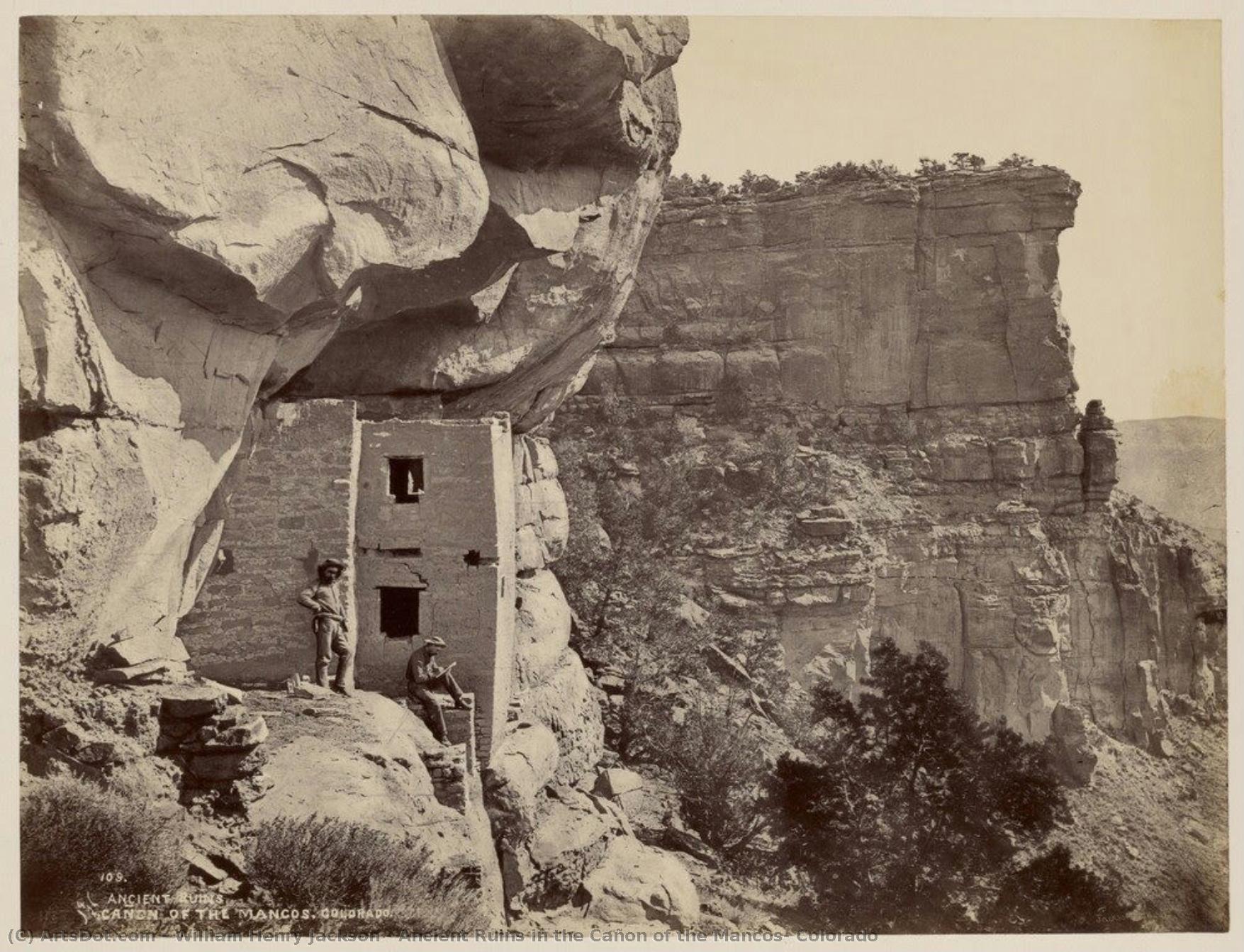
Ancient Ruins in the Cañon of the Mancos, Colorado
 Acrylic On Canvas
- WallArt
- American Luminist Landscape
 1874
1874 25.0 x 33.0 cm
 J. Paul Getty Museum
 Read More
Purchase a high-resolution, enhanced digital image, far superior to the online preview.
Each file is meticulously prepared by our in-house specialists using advanced tools and expert manual retouching. We ensure every image has exceptional clarity, precise color accuracy, and fine detail.
The final file is delivered via email within 72 hours, optimized for immediate use in professional, editorial, and print environments. This is the same quality trusted by top-tier design studios, publishers, and galleries.
Digital Image
Download a high-resolution file for personal display, printing, and creative projects. ( Buy Print Buy Hand Made Painting)
Included in Every Digital Image Order
Expert Digital Delivery, Guaranteed
When you choose ArtsDot.com, you're not just getting an image - you're receiving a professionally enhanced digital artwork, crafted with precision and backed by a satisfaction guarantee. Here's everything that comes with your order, automatically:

Fast Email Delivery
Your high-resolution digital image file will be emailed to you within 72 hours of ordering - ready for immediate use.

AI-Enhanced Digital File
Your artwork is professionally optimized using advanced AI tools and manual editing, ensuring maximum detail, clarity, and color accuracy.

Free Lifetime Re-Delivery
Accidentally deleted or lost your file? No worries - we'll resend it to you anytime, free of charge.

No Import Fees - Ever
Enjoy your artwork instantly with zero customs, duties, or delivery fees - digital downloads are always tax-free.

Color Accuracy Guarantee
We ensure your digital image reflects the original colors as closely as possible using professional tools and color management.

60-Day Satisfaction Guarantee
If you're not satisfied with your digital image, we'll revise it or refund 100% within 60 days - no questions asked.

100% Money-Back Guarantee
Not satisfied? Get a full refund within 60 days of receiving your digital file - no questions asked.

Bulk Order Discounts
Buy 3 images, save 10% - Buy 5, save 15% - Buy 10+, save 20%. Great for creative projects, galleries, and agencies.
Ancient Ruins in the Cañon of the Mancos – A Window Into Colorado’s Past
The photograph “Ancient Ruins in the Cañon of the Mancos,” executed by William Henry Jackson in 1874, stands as a cornerstone of American landscape photography and a poignant testament to the burgeoning fascination with prehistoric cultures during the late Victorian era. Captured amidst the dramatic sandstone formations of Mesa Verde National Park, this albumen silver print transcends mere documentation; it’s an immersive experience into a bygone epoch, imbued with both scientific observation and artistic sensitivity. Jackson's meticulous approach—characteristic of his broader project documenting the American West for the Geological Survey—involved careful composition and painstaking printing techniques. He skillfully positioned himself to capture the grandeur of the canyon walls bathed in soft afternoon light, emphasizing textures and contours that convey a palpable sense of scale and timelessness. The resulting image reveals a small stone building perched atop a prominent rock outcrop, populated by figures observing the ruins – likely surveyors or explorers eager to record this remarkable site. The photograph’s monochrome palette—a hallmark of Luminist painting—amplifies its emotional resonance. Absence of color lends itself powerfully to conveying mood and atmosphere, highlighting the solemn beauty of the ancient landscape and inviting contemplation about the passage of time. The subtle tonal variations within the print capture nuances of light and shadow, creating depth and dimensionality that draw the viewer into the scene. Jackson’s masterful use of printing techniques—particularly dodging and burning—further enhances these effects, sculpting highlights and shadows to accentuate the textures of the stone building and canyon walls. Beyond its aesthetic qualities, “Ancient Ruins in the Cañon of the Mancos” holds significant historical importance. It represents one of the earliest visual records of Mesa Verde’s cliff dwellings – a UNESCO World Heritage Site—and played a crucial role in shaping public understanding of Native American history. Jackson's work coincided with a period of intense debate regarding the origins and cultural significance of Southwestern ruins, fueled by burgeoning archaeological discoveries. The photograph served as an invaluable tool for disseminating scientific knowledge alongside artistic impressions, contributing to the growing appreciation for the region’s prehistoric heritage. Furthermore, the image speaks to broader themes of exploration, discovery, and humanity's relationship with the natural world. It embodies the spirit of adventure that defined the American West during the late 19th century—a quest to chart uncharted territories and unravel mysteries hidden within the landscape. The presence of human figures amidst the ruins underscores our inherent desire to connect with past civilizations and contemplate our place in the grand sweep of geological time. “Ancient Ruins in the Cañon of the Mancos” remains a captivating visual narrative, inviting viewers to immerse themselves in the beauty and complexity of Colorado’s ancient history.Related Artworks

![[ibsamboul. Spéos De Phré] — John Beasley Greene, Romanticism](/media/artworks/images-thumb/4f/d0/4fd07465fdfae392a7dc1f60ce3242d5.jpg)
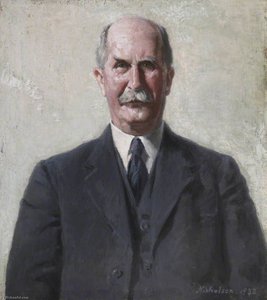
Artist Biography
early life and career
william henry jackson, an american photographer, civil war veteran, painter, and explorer, was born on april 4, 1843, in keeseville, new york. he was the first of seven children to george hallock jackson and harriet maria allen. jackson's early life was marked by his service in the american civil war for nine months, including the battle of gettysburg.artistic journey
after the war, jackson became a skilled artist, capturing the essence of american pre-civil war visual arts. in 1866, he traveled west to great salt lake as a bullwhacker on the oregon trail. he settled in omaha in 1867 and entered the photography business. in 1869, he joined the union pacific to document scenery along railroad routes for promotional purposes.notable contributions
* the tower of babel, garden of the gods (amon carter museum of american art, fort worth, united states), a photograph showcasing his skill in capturing the american west. * ute tepee. los pinos agency (amon carter museum of american art, fort worth, united states), another notable photograph that highlights his work with native american communities. * ancient ruins in the cañon of the mancos, colorado (j. paul getty museum, los angeles, united states), a print that demonstrates his ability to capture the beauty of the american landscape.museums and collections
jackson's work can be found in various museums across the united states, including:- amon carter museum of american art (fort worth, texas)
- j. paul getty museum (los angeles, california)
legacy and impact
jackson's work not only captured the essence of the american west but also contributed to the development of photography as an art form. his photographs continue to be celebrated for their historical significance and aesthetic value.- explore more of william henry jackson's work on ArtsDot
- discover the mona lisa (la gioconda), a masterpiece by leonardo da vinci
- learn about the african-american history and its significance in american culture.
conclusion
william henry jackson's life was a testament to his perseverance and passion for art. through his photographs, he captured the spirit of the american west, leaving an indelible mark on the world of photography and art.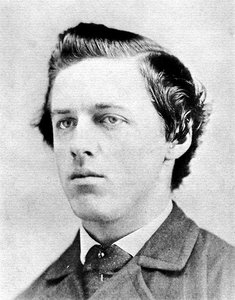
William Henry Jackson
1843 - 1942 , United States of America
Quick Facts
- Artistic Movement Or Style: Romantic Landscape Painting
- Artists Or Movements Influenced By This Artist: ['Hudson River School']
- Artists Who Influenced This Artist: ['George Hallock Jackson']
- Date Of Birth: April 4, 1843
- Date Of Death: 1942
- Full Name: William Henry Jackson
- Nationality: American
- Notable Artworks:
- Tower of Babel
- UTE Tepee
- Place Of Birth: Keswick, United States

