 Preview
 Send
Send Share
Share
 Details

 Download
 Similars
 X-Ray
X-Ray Diaporama
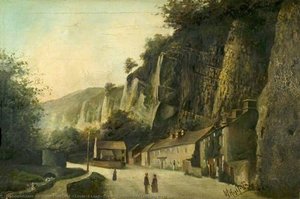
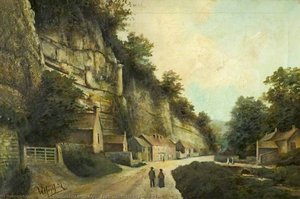
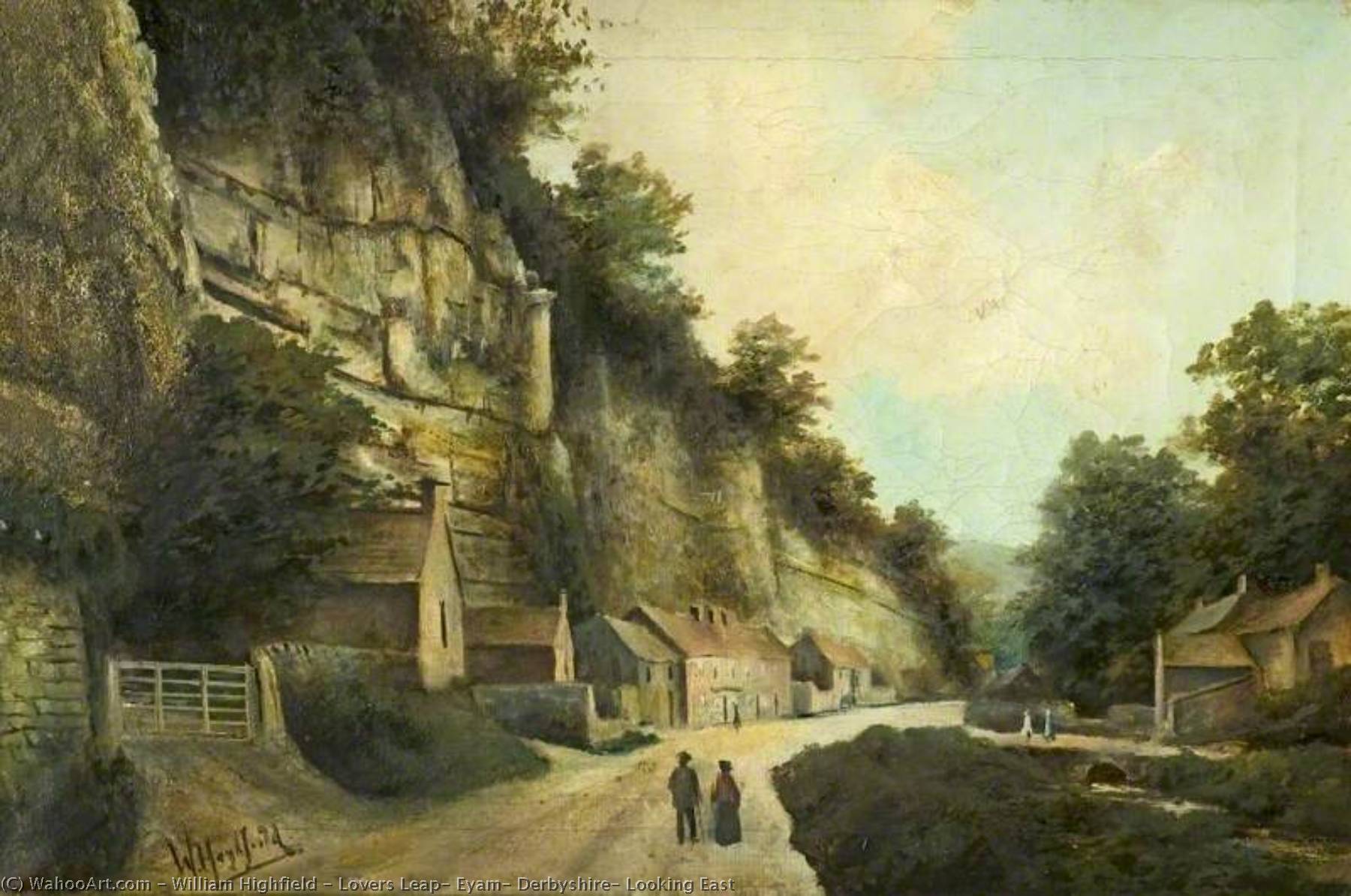
Lovers Leap, Eyam, Derbyshire, Looking East
 1890
1890 59.0 x 79.0 cm
 Read More
Hand Made Oil Reproduction
Hand-painted oil on canvas in your size and frame, made to order by our artists. ( Buy Print Buy Image)




































Pick from our preset sizes that match the artwork's original proportions.

You may enter your own dimensions to fit a specific frame or space. If your selected size does not match the original image's proportions, we will either crop the artwork or extend the painting with additional hand-painted elements. A digital mockup will be sent for your approval before production begins.
Please note that the on-screen preview does not reflect the actual cropping or extension. Only the mockup will accurately show the final composition.
While custom sizes are available, we recommend selecting a dimension from the predefined list to preserve the original proportions.
After order, ArtsDot.com team will email client for instructions and provide a mockup preview
Worldwide Delivery () in 3/4 weeks instead of standard 5 weeks. (21 August). No compromise on quality.

Free Worldwide Express Shipping

High-Quality Linen Canvas

Full Shipping Insurance

Customs Tax Refund Guarantee

True Color Matching Guarantee

60-Day Return Policy (Defects Only)

100% Money-Back Guarantee

Bulk Discount Offer
 Glass option is only available in size under 110 CM

Lovers Leap, Eyam, Derbyshire, Looking East
Reproduction Medium
Reproduction Size
-


Total Price
$ 263
Related Artworks









Artist Biography
William Highfield: A Victorian Landscape Painter of Yorkshire
William Highfield (1870-1957) emerges from the heart of Yorkshire as a quietly significant figure in late 19th and early 20th-century British landscape painting. While he never achieved widespread fame or sought the limelight, his meticulous observations and evocative depictions of the region’s rolling hills, dramatic skies, and humble rural life offer a compelling window into a specific time and place. His work, largely rooted in the traditions of Victorian art yet subtly infused with an individual sensibility, reveals a deep connection to the land and a keen eye for detail – characteristics that continue to resonate with viewers today.
Born in Wolverhampton in 1870, Highfield’s early life was shaped by his family's industrial involvement. His father worked at the Old Hall japanning works, an environment that instilled in him a practical understanding of craftsmanship and observation. This grounding would later inform his artistic approach, evident in the careful rendering of textures and light within his paintings. He moved to Sheffield in his youth, where he began his artistic journey, initially apprenticed to local artists before pursuing independent study. His early influences are thought to have included the Romantic landscape painters of the 18th century, particularly Turner and Constable, whose emphasis on capturing atmospheric effects and conveying a sense of sublime beauty clearly informed Highfield’s own work.
Highfield's artistic output is primarily focused on landscapes of Yorkshire, with particular attention paid to areas around Driffield. His paintings frequently depict scenes of rolling hills, dramatic skies, and the quiet beauty of rural life – farms, fields, and small villages nestled amongst the landscape. He wasn’t interested in grand vistas or heroic subjects; instead, he sought to capture the subtle nuances of light and atmosphere, creating a sense of intimacy and connection with the natural world. A key element of his style is his use of muted colors and delicate brushwork, which contribute to the paintings' understated elegance and quiet charm. He was particularly known for his depictions of the changing seasons, capturing the golden hues of autumn and the dramatic storms of winter with remarkable skill.
Beyond his artistic practice, Highfield’s life was intertwined with local politics and industry. He served on the Wolverhampton School Board, advocating for improved educational opportunities for all children in the community. He also became an alderman, demonstrating a commitment to civic engagement. His legacy extends beyond his paintings; he was a significant benefactor of education in Wolverhampton, leaving a lasting impact on the town’s cultural landscape through the establishment of several schools. His involvement with the local community reflects a broader Victorian ethos – one that valued hard work, self-reliance, and contributing to the well-being of society.
Key Works & Artistic Techniques
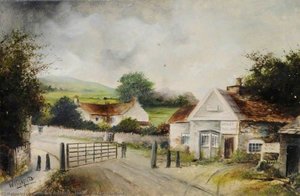
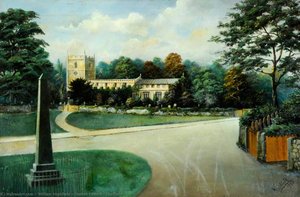
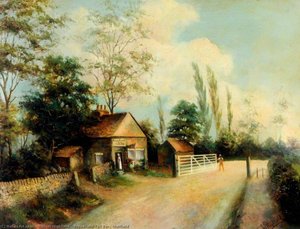
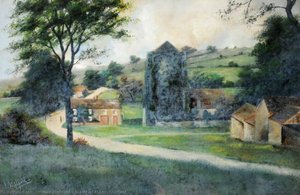
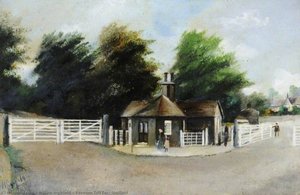
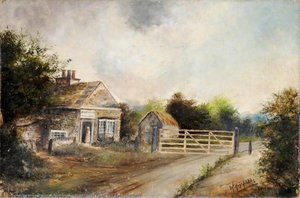
Several paintings stand out as particularly representative of Highfield’s style and artistic achievements. “Beauchief Abbey, Sheffield” (a reproduction of which is available for purchase through ArtsDot) exemplifies his ability to capture the grandeur of a historic building within a dramatic landscape setting. His depictions of Broadfield Toll Bar and Heeley Toll Bar showcase his talent for portraying rural scenes with remarkable detail and sensitivity. These works demonstrate not only his technical skill but also his deep appreciation for the beauty of the Yorkshire countryside.
Highfield’s technique was characterized by a meticulous attention to detail, particularly in his rendering of light and shadow. He employed a layered approach to painting, building up color gradually with thin washes of paint – a method that allowed him to create subtle gradations of tone and achieve a remarkable sense of depth and atmosphere. His use of impasto—thickly applied paint—is evident in areas where he wished to emphasize texture or create a sense of immediacy. He was also adept at capturing the fleeting effects of light, particularly during sunrise and sunset, which are frequently depicted in his paintings with stunning realism.
Historical Context & Influences
Highfield’s work is firmly rooted within the broader context of Victorian art. The period witnessed a renewed interest in landscape painting, fueled by developments in science and technology that allowed artists to study nature more closely than ever before. Artists like Turner and Constable had paved the way for subsequent generations, establishing new conventions for depicting the natural world. Highfield’s work can be seen as a continuation of this tradition, albeit with a distinctly Yorkshire sensibility.
However, Highfield's style also reveals subtle influences beyond the established Victorian canon. His meticulous attention to detail and his emphasis on capturing atmospheric effects suggest a connection to the Dutch Masters—particularly their mastery of light and color. Furthermore, his work reflects the broader social and cultural trends of the late 19th century – a period marked by both optimism and anxiety, industrialization and rural decline. Highfield’s paintings offer a poignant reflection on these complex dynamics.
Legacy & Significance
Despite not achieving widespread recognition during his lifetime, William Highfield's work has gained increasing appreciation in recent years. His paintings are now housed in several public collections and private galleries, and they continue to be exhibited at art fairs and exhibitions across the UK. His legacy lies not only in his artistic achievements but also in his commitment to education and community service. He represents a vital link between the industrial heartland of Yorkshire and the rich tradition of landscape painting.
Highfield’s paintings serve as a valuable historical document, offering insights into the lives and experiences of ordinary people during the Victorian era. They are also a testament to the enduring power of art to capture beauty, evoke emotion, and connect us with the natural world. His quiet contribution to British art deserves recognition for its understated elegance and profound sense of place.
william highfield
1870 - 1957
Quick Facts
- Artistic Movement Or Style: Victorian Landscape
- Artists Or Movements Influenced By This Artist: ['Romanticism']
- Artists Who Influenced This Artist: ['Benjamin Williams']
- Date Of Birth: 1870
- Date Of Death: 1957
- Full Name: William Highfield
- Nationality: British
- Notable Artworks:
- Beauchief Abbey
- Broadfield Toll Bar
- Heeley Toll Bar
- Place Of Birth: Wolverhampton, UK