 Preview
 Send
Send Share
Share
 Details

 Download
 Similars
 X-Ray
X-Ray Diaporama
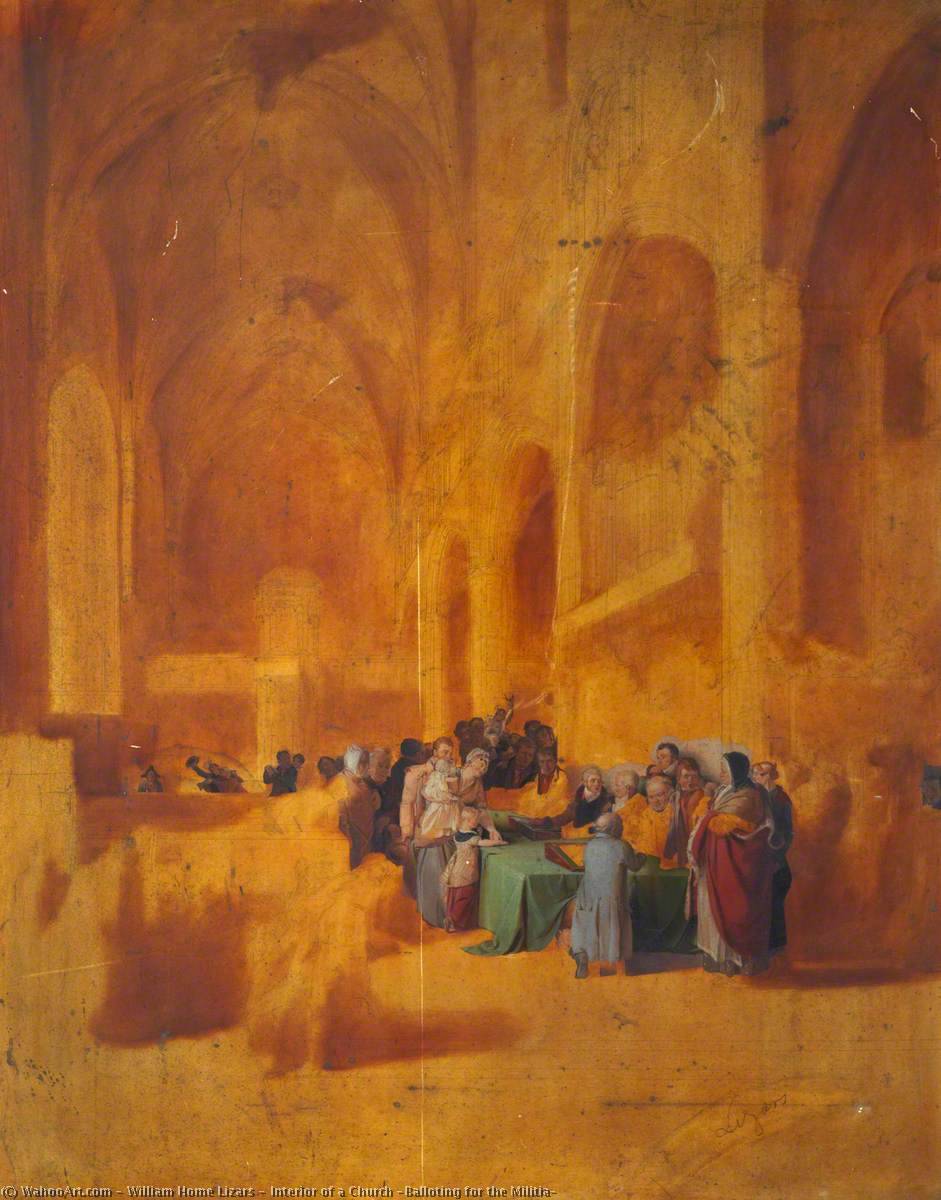
Interior of a Church (Balloting for the Militia)
 121.0 x 96.0 cm
 Royal Scottish Academy of Art - Architecture
 Read More
Giclée / Art Print
Museum-quality giclée or canvas print with fast production and flexible finish options. ( Buy Hand Made Painting Buy Image)




































Pick from our preset sizes that match the artwork's original proportions.

You may enter your own dimensions to fit a specific frame or space. If your selected size does not match the original image's proportions, we will either crop the artwork or extend the image with a mirrored or solid-fill edge. A digital mockup will be sent for your approval before production begins.
Please note that the on-screen preview does not reflect the actual cropping or extension. Only the mockup will accurately show the final composition.
While custom sizes are available, we recommend selecting a dimension from the predefined list to preserve the original proportions.
Worldwide Delivery () in 2 weeks instead of standard 4/5 weeks. (16 August)

Free Worldwide Express Shipping

High-Quality Linen Canvas

Full Shipping Insurance

Customs Tax Refund Guarantee

True Color Matching Guarantee

60-Day Return Policy (Defects Only)

100% Money-Back Guarantee

Bulk Discount Offer
 Glass option is only available in size under 110 CM

Interior of a Church (Balloting for the Militia)
Giclée / Art Print
Reproduction Size
-


Total Price
$ 63
Related Artworks
Artist Biography
William Home Lizars (1788 – 1859): A Pioneer of Copperplate Printing and Audubon’s Artistic Collaborator
William Home Lizars stands as a significant figure in the Scottish art landscape of the early Victorian era, largely unrecognized today but profoundly influential in establishing Edinburgh as a centre for artistic innovation. Born in Edinburgh in 1788, he inherited his father's printing business – Daniel Lizars – and skillfully blended artistic talent with entrepreneurial acumen to forge a distinctive creative path. His upbringing instilled in him a deep appreciation for craftsmanship and observation of the natural world, elements that would permeate his oeuvre. Lizars’ formal education at the High School Edinburgh provided him with foundational knowledge, but it was his apprenticeship under John Graham at the Trustees' Academy that truly nurtured his artistic sensibilities. Alongside Sir David Wilkie, he honed his skills in oil painting and etching, absorbing the stylistic precepts of Romanticism while simultaneously mastering the technical intricacies of copperplate printing – a technique he championed and refined, becoming a pivotal innovator in its application to illustration. This dedication to precision and detail would become hallmarks of his artistic style. His brother, John Lizars, was a surgeon, demonstrating a familial inclination towards scientific pursuits alongside artistic endeavour. Jean Home, his sister, married Sir William Jardine, furthering the family’s connection to botany and exploration – influences that subtly shaped Lizars' visual vocabulary. Notably, Lizars’ father, Daniel Lizars, himself a publisher and engraver, instilled in him an understanding of both artistic production and commercial viability, equipping him with invaluable skills for navigating the challenges of his time. Lizars’ professional life revolved around establishing a printing workshop alongside collaborators like Horatio McCulloch and Daniel Macnee, employing skilled artisans to produce high-quality prints – primarily for book illustrations. He also partnered with William Howison and George Aikman (father), fostering a collaborative environment that encouraged experimentation and artistic excellence. This association with Aikman’s son would later contribute to the burgeoning Edinburgh art scene. Lizars gained considerable renown through his involvement in Audubon's ambitious project, ‘Birds of America.’ Recognizing Audubon’s need for assistance in securing funding and logistical support, Lizars tirelessly championed the endeavour within Edinburgh’s artistic circles – introducing Audubon to luminaries like Robert Jameson and David Brewster. He secured a commission from Audubon to portray him in his iconic wolfskin coat, resulting in a celebrated portrait by John Syme that cemented Lizars' reputation as a patron of science and art alike. The collaborative effort with Audubon ultimately led to the publication of ‘Birds of America’ by the Havell family, marking a triumph of artistic vision and entrepreneurial determination. Throughout his life, Lizars remained committed to refining his etching technique – developing a method that surpassed wood engraving in terms of tonal subtlety and textural richness. This innovation allowed for unparalleled realism in reproducing botanical specimens and landscapes, solidifying his position as a pioneer of printmaking. He continued to operate from 3 St James Square until his death in 1859, leaving behind a legacy of artistic achievement and a lasting contribution to Edinburgh’s cultural heritage. His work continues to be studied by scholars interested in the intersection of art, science, and Victorian society.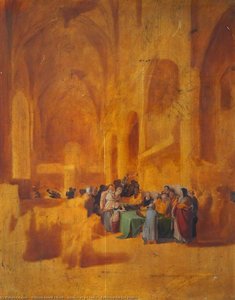
william home lizars
1788 - 1859
Quick Facts
- Artistic Movement Or Style: Romanticism
- Artists Or Movements Influenced By This Artist: ['David Wilkie']
- Artists Who Influenced This Artist:
- Andrew Bell
- John Graham
- Date Of Birth: 1788
- Date Of Death: 1859
- Full Name: William Home Lizars
- Nationality: Scottish
- Notable Artworks:
- The Shepherdess
- Portrait of John Audubon
- Place Of Birth: Edinburgh, Scotland