 Preview
 Send
Send Share
Share
 Details

 Download
 Similars
 X-Ray
X-Ray Diaporama
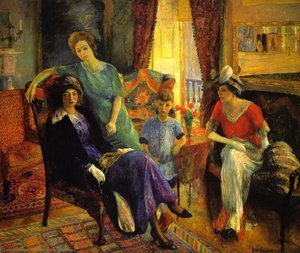
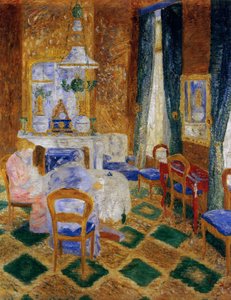
Twenty-Three Fifth Avenue


 Read More
Hand Made Oil Reproduction
Hand-painted oil on canvas in your size and frame, made to order by our artists. ( Buy Print Buy Image)




P118B $10

P118H $10

P118W $10

P438Z $10

P508JH $12

P508YH $12

P805H $10

P805Z $10

P919BZ $10

P919G $10

P919XJ $10

P959ZH $10

P968JZ $12

W106C $8

W218G $10

W218JH $8

W218Y $10

W307PJ $10

W316G $10

W316PJ $8

W316Y $10

W398PJ $8

W4111J $10

W500HY $15

W500JH $15

W692G $12

W849H $8

W940BG $15

W953PJ $8




Pick from our preset sizes that match the artwork's original proportions.

You may enter your own dimensions to fit a specific frame or space. If your selected size does not match the original image's proportions, we will either crop the artwork or extend the painting with additional hand-painted elements. A digital mockup will be sent for your approval before production begins.
Please note that the on-screen preview does not reflect the actual cropping or extension. Only the mockup will accurately show the final composition.
While custom sizes are available, we recommend selecting a dimension from the predefined list to preserve the original proportions.
After order, ArtsDot.com team will email client for instructions and provide a mockup preview
Worldwide Delivery () in 3/4 weeks instead of standard 5 weeks. (17 August). No compromise on quality.

Free Worldwide Express Shipping

High-Quality Linen Canvas

Full Shipping Insurance

Customs Tax Refund Guarantee

True Color Matching Guarantee

60-Day Return Policy (Defects Only)

100% Money-Back Guarantee

Bulk Discount Offer
 Glass option is only available in size under 110 CM

Twenty-Three Fifth Avenue
Reproduction Medium
Reproduction Size
-


Total Price
$ 263
Artwork Description
William James Glackens’ “Twenty-Three Fifth Avenue”: A Window into the Ashcan School
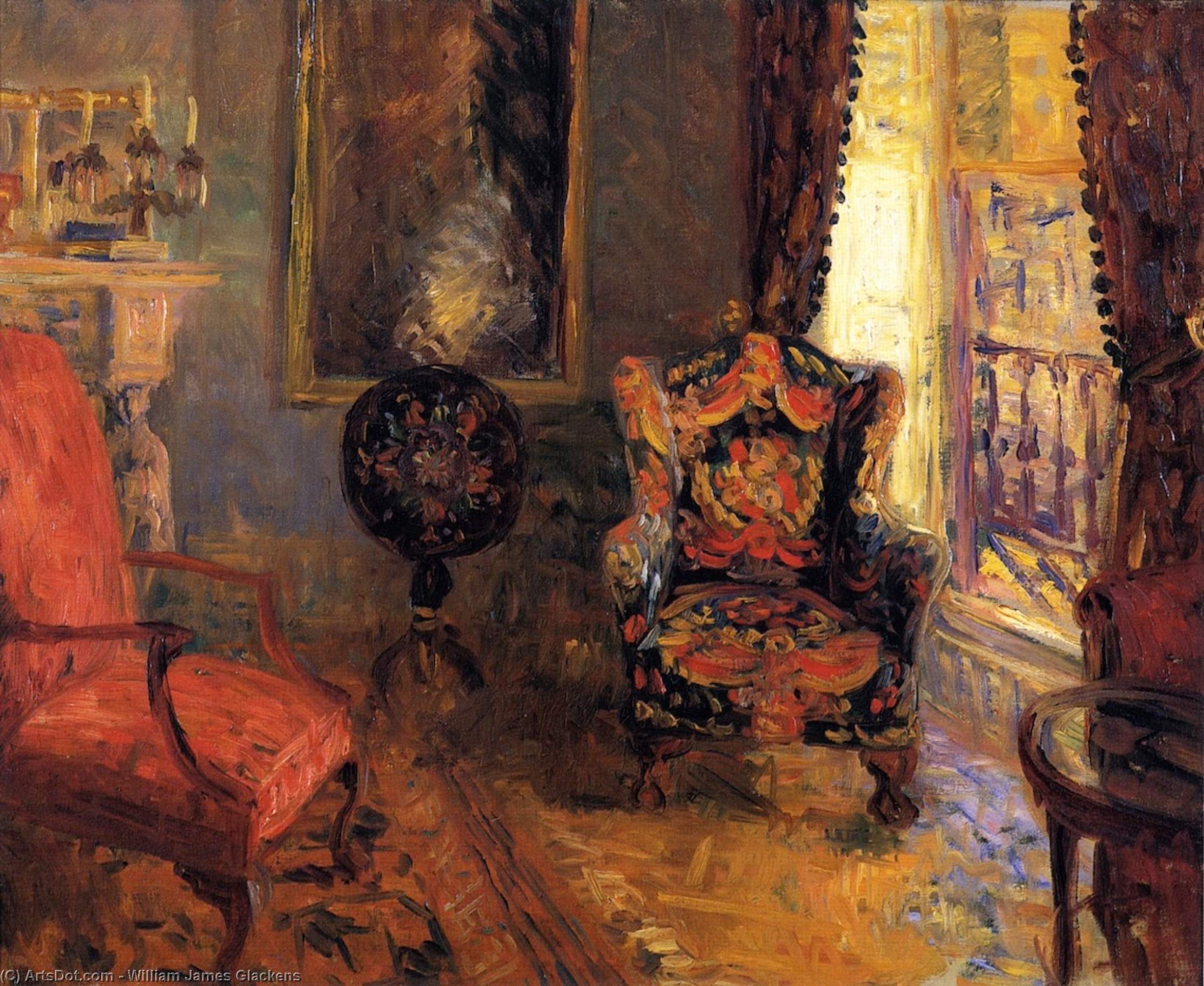
William James Glackens' "Twenty-Three Fifth Avenue," painted in 1910, is more than just a depiction of a New York City living room; it’s a poignant snapshot of an era and a masterful example of the burgeoning Ashcan School movement. This oil on canvas work, currently residing within the Museum of Art in Fort Lauderdale, offers a glimpse into the lives of urban dwellers navigating the rapidly changing landscape of early 20th-century America. Glackens, a key figure in this revolutionary artistic group, deliberately eschewed the idealized landscapes and historical narratives favored by his contemporaries, instead choosing to portray the gritty realities of city life with unflinching honesty and remarkable sensitivity.
- Subject Matter: The painting focuses on an intimate interior – a living room furnished with comfortable chairs, a couch, and a dining table. These everyday objects are rendered with meticulous detail, inviting the viewer to imagine the conversations and activities that might have unfolded within those walls.
- Style & Technique: Glackens’ style is deeply rooted in realism, yet infused with an Impressionistic sensibility. His use of light and color – particularly the rich, dark hues punctuated by vibrant accents – creates a palpable sense of atmosphere. Notice the way the natural light streams through the window, illuminating the furniture and casting subtle shadows that add depth and dimension to the scene.
- Historical Context: Created during a period of immense social and economic transformation in New York City, "Twenty-Three Fifth Avenue" reflects the growing urbanization and the emergence of a new urban middle class. The Ashcan School sought to capture this dynamic environment, documenting the lives of ordinary people amidst the bustle of the city.
Decoding the Composition: Chairs as Symbols
The composition of “Twenty-Three Fifth Avenue” is carefully constructed to draw the viewer’s eye and evoke a specific emotional response. The two chairs – one red, one black – immediately command attention, acting as focal points within the room. While seemingly simple objects, they can be interpreted symbolically. The red chair might represent passion or energy, while the black chair could signify contemplation or solitude. The arrangement of other chairs and the couch further contributes to a sense of relaxed conviviality, suggesting a space for social interaction and intellectual exchange.
Glackens’ masterful use of perspective and spatial relationships creates a believable and inviting environment. The dining table in the background subtly reinforces the theme of domesticity and shared meals – a cornerstone of American life at the time. The inclusion of decorative elements, such as potted plants and clocks, adds to the sense of lived-in authenticity.
Beyond Representation: Glackens’ Legacy
"Twenty-Three Fifth Avenue" is not merely a record of a room; it's a testament to William James Glackens' artistic vision. As one of the founders of the Ashcan School, he played a crucial role in shaping American art at the turn of the century. His work paved the way for future generations of artists who sought to capture the complexities and contradictions of modern urban life. Glackens’ influence extends beyond his own paintings; his collaboration with Albert C. Barnes in acquiring European masterpieces significantly impacted the development of the Barnes Foundation, a testament to his discerning eye and commitment to artistic excellence.
A hand-painted reproduction of “Twenty-Three Fifth Avenue” offers an unparalleled opportunity to bring this iconic work into your home or office. It’s a chance to own a piece of art history – a tangible connection to the innovative spirit of the Ashcan School and the enduring legacy of William James Glackens.
Related Artworks


Artist Biography
a pioneer of the ashcan school
william james glackens, a prominent figure in american art, left an indelible mark on the canvas of history with his captivating realist paintings. born in philadelphia, pennsylvania, in 1870, glackens' artistic journey was a testament to his unwavering passion for capturing the essence of everyday life.early life and influences
glackens' early years were marked by an innate inclination towards art, which led him to enroll at the pennsylvania academy of the fine arts. under the tutelage of thomas anshutz, a renowned realist, glackens honed his skills, eventually becoming one of the founders of the ashcan school. this movement rejected the conventional boundaries of artistic beauty, instead focusing on the gritty realities of metropolitan life.artistic career
glackens' work is characterized by its dark-hued, vibrantly painted street scenes and depictions of daily life in pre-wwi new york and paris. his later pieces, influenced by renoir, showcased a brighter tone, reflecting his growth as an artist. notably, glackens also worked as an illustrator for newspapers and magazines in philadelphia and new york city.- view of haarlem with bleaching grounds, a painting by jacob isaakszoon van ruisdael (ruysdael), exemplifies the level of detail and craftsmanship that defines glackens' work. this piece is now part of the collection at the chrysler museum of art.
- glackens' own masterpiece, the shoppers, is a testament to his skill in capturing the essence of urban life. this painting can be found in the new realism collection at ArtsDot.com.
legacy and impact
glackens' contributions to american art are multifaceted, extending beyond his own work. he played a pivotal role in helping albert c. barnes acquire european paintings for the barnes foundation in philadelphia. this collection has become a cornerstone of american art history. key works and collections: * the shoppers (new realism, oil on canvas, chrysler museum of art) * view of haarlem with bleaching grounds (ruysdael, sforza castle, milan, italy) recommended reading: * [https://ArtsDot.com/@/william-james-glackens](https://ArtsDot.com/@/william-james-glackens) - explore the extensive collection of glackens' work on ArtsDot.com. * [https://en.wikipedia.org/wiki/william_glackens](https://en.wikipedia.org/wiki/william_glackens) - delve into the detailed biography of william james glackens on wikipedia.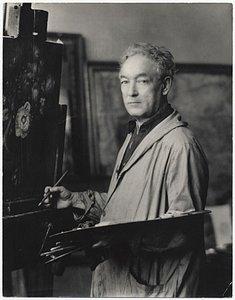
William James Glackens
1870 - 1938 , United States of America
Quick Facts
- Artistic Movement Or Style: Ashcan School
- Artists Or Movements Influenced By This Artist: ['Pierre Auguste Renoir']
- Artists Who Influenced This Artist: ['Thomas Anshutz']
- Date Of Birth: Philadelphia, United States of America (1870)
- Date Of Death: Westport, Connecticut (1938)
- Full Name: William James Glackens
- Nationality: American
- Notable Artworks:
- The Shoppers
- View of Haarlem with bleaching grounds
- Place Of Birth: Philadelphia
Related Articles

Crimson Threads of Narrative: Exploring Symbolism & Representation in Artworks Featuring the Red Dress
Explore the rich symbolism of the red dress in art history! From ancient power displays to iconic portraits like Cézanne’s 'Madame Cezanne', discover the cultural and artistic significance behind this captivating color. Expert analysis & insights.
William Glackens: Capturing Modern American Life with Ashcan Realism
Explore the life & art of William Glackens, a pioneer of American Realism and founding member of the Ashcan School. Discover his vibrant depictions of early 20th-century New York & Paris. Learn about his influences & lasting legacy.

The Enduring Legacy of Oil on Canvas: Technique, History & Aesthetic Impact
Explore the rich history & techniques of oil painting – from Renaissance masters to Impressionism. Discover pigments, layering methods, and why this timeless medium endures. Expert insights for artists & art enthusiasts.

Oil on Canvas: A Historical & Technical Exploration of a Timeless Artistic Medium
Explore the rich history & enduring techniques of oil painting on canvas. Discover the science behind its longevity, conservation practices, and contemporary relevance. Expert insights for art enthusiasts.
Oil on Board Masters: 10 Paintings That Redefined Art | ArtsDot
Explore 10 legendary 'Oil on Board' masterpieces by Van Gogh, Monet & more! Discover art history, iconic styles like Impressionism, and find museum-quality reproductions to elevate your home decor. Explore the full collection online at ArtsDot.com.